
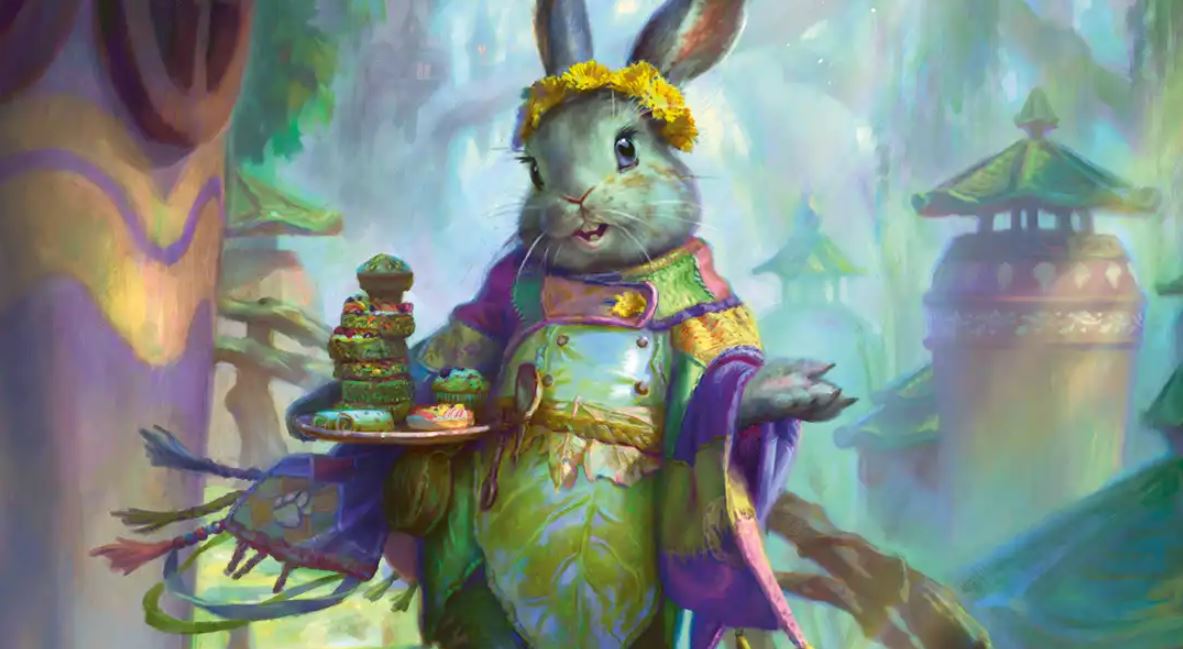
One of our local group members has been playing the Bloomburrow Peace Offering Commander deck. The deck is considered a ‘group hug’ deck. This is a fun archetype designed to help all players at the table, whilst giving the most benefit to the person playing the deck.
Group Hug decks include cards that provide benefits to all players, such as extra card draw, additional mana, or life gain. The idea is to create a more enjoyable and interactive game for everyone. By helping other players, Group Hug decks can gain political leverage. The player piloting the Group Hug deck can often negotiate and form temporary alliances, influencing the game’s dynamics. These decks can quite often slow down the game, giving everyone more resources and time to develop their strategies. This can lead to longer, more complex, and engaging games. Unlike most decks, Group Hug decks are not always built with the primary goal or expectation of winning. Instead, they aim to create a fun and balanced game environment. However, they can still win by leveraging the goodwill they’ve built or through unexpected or overwhelming combos.
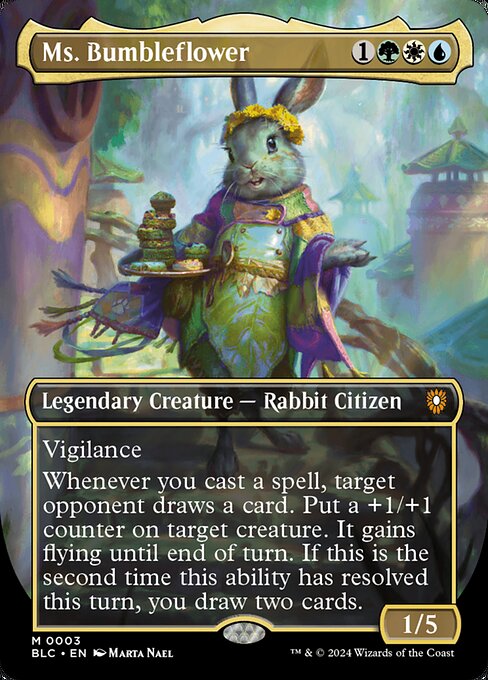
In addition to Peace Offering’s Ms. Bumbleflower, popular commanders for this type of deck might include:
- Kynaios and Tiro of Meletis: This commander provides card draw and land drops for all players, promoting a balanced and resource-rich game.
- Phelddagrif: Known for its ability to give opponents life, tokens, or card draw, Phelddagrif is a quintessential Group Hug commander.
- Zedruu the Greathearted: Zedruu allows you to donate your permanents to other players, gaining you life and card draw in return.
So, with that said, let’s take a look at some fun cards that can have some influence on inter-player politics at the Commander table. These aren’t necessarily all the best for group hug decks, but they can shape the interactions at the table in ways that can be fun and interesting.
Propaganda
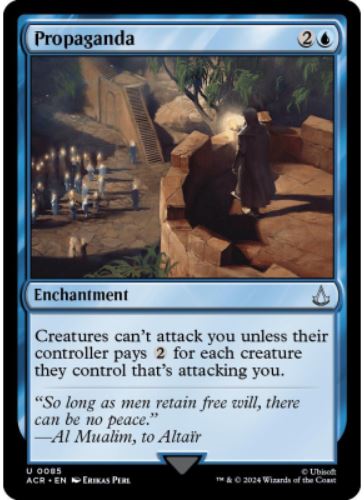
Propaganda is a classic card that taxes your opponents for attacking you. By making it more costly for others to target you, you can subtly encourage them to direct their attacks elsewhere, buying you valuable time to set up your strategy.
Ghostly Prison
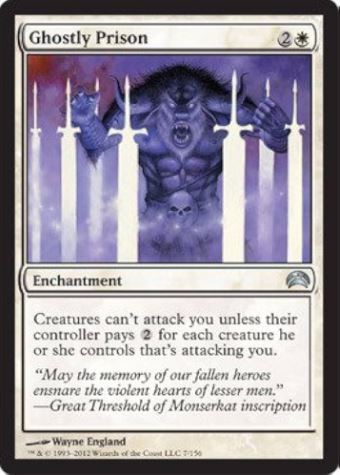
Similar to Propaganda, Ghostly Prison forces your opponents to pay mana if they want to attack you. This card can be a great deterrent, especially in decks that need time to build up their board state.
Mystic Remora
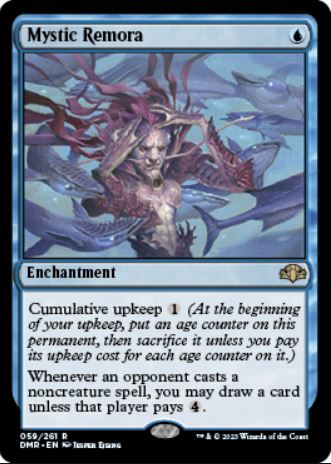
Mystic Remora is an enchantment that can draw you a lot of cards if your opponents cast noncreature spells. The cumulative upkeep cost can be a downside, but the potential card draw often makes it worth it. Plus, it can discourage opponents from casting spells, indirectly protecting you.
Edric, Spymaster of Trest

Edric incentivises your opponents to attack each other by offering card draw whenever they deal combat damage to a player other than you. This can create a chaotic battlefield where everyone is vying for card advantage, leaving you relatively unscathed.
Fumiko the Lowblood
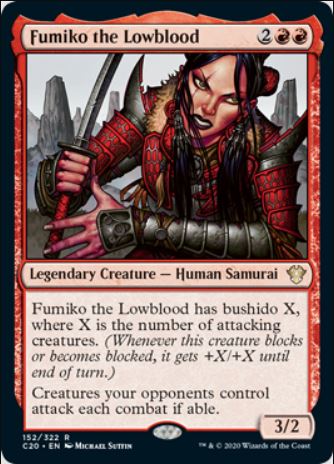
Fumiko forces all creatures to attack each combat if able, which can disrupt your opponents’ plans and force them into unfavorable attacks. This can be particularly effective in breaking up stalemates and pushing the game towards a conclusion.
Varchild, Betrayer of Kjeldor

Varchild creates Survivor tokens for your opponents when she deals combat damage to them. These tokens can’t attack you, which can create alliances and shift the focus away from you. Additionally, if Varchild leaves the battlefield, you gain control of all Survivors, potentially turning the tide in your favor.
Goad Cards (e.g., Disrupt Decorum)
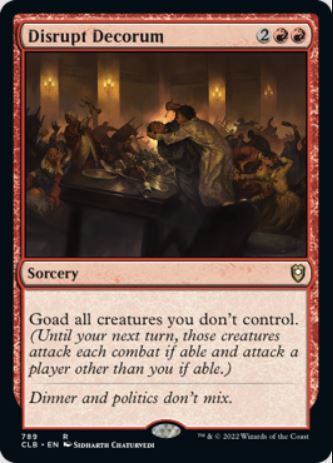
Goading forces your opponents’ creatures to attack each other, which can be a powerful way to manipulate the battlefield. Cards like Disrupt Decorum can create chaos and weaken your opponents’ defenses, making it easier for you to strike when the time is right.
Phelddagrif
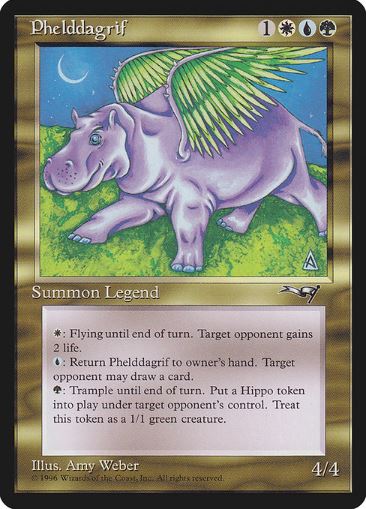
This one was mentioned above as a possible option for a group hug commander. Phelddagrif is a unique card that allows you to give your opponents small benefits in exchange for political favors. Whether it’s giving them life, tokens, or card draw, Phelddagrif can help you forge temporary alliances and keep the game balanced. There’s also a cheaper Questing Phelddagrif card that, whilst more affordable, just isn’t quite as good. It’s also not a legendary creature so cannot, unlike the original Phelddagrif, be used as a commander. But what do we say when there are two fantastic cards that we could put into a deck?

Yes.
That is what we say.
Council’s Judgment
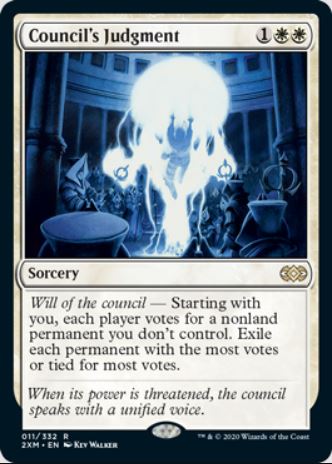
This is probably my favourite card in this whole selection. It just seems fun. It’s a nice bit of interaction. Council’s Judgment allows all players to vote on which permanent to exile, making it a great tool for dealing with problematic cards. The voting mechanic can also reveal alliances and rivalries, giving you insight into the political dynamics of the game.
Zedruu the Greathearted
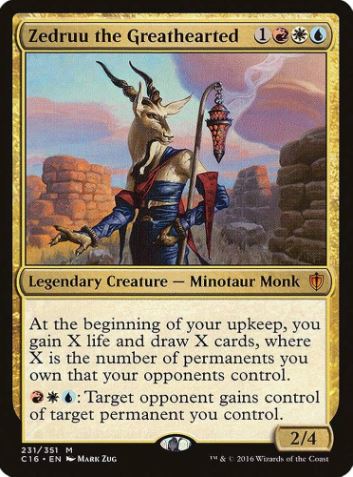
This is another one that I mentioned above, among the possible commanders. Again, he just seems fun. Zedruu lets you donate your permanents to other players, gaining you life and card draw in return. This can be used to curry favor with opponents or to offload problematic permanents. Zedruu’s unique ability makes her a versatile tool in any political arsenal. In playing Zedruu, you’d definitely want plenty of cheap, ineffective permanents in your deck that you can play out for an ETB effect and then offload on your fellow players.
—
In Commander, the ability to navigate multiplayer politics can be just as important as having a powerful deck. These cards can help you influence the game, forge alliances, and ultimately secure victory. Remember, the key to success in multiplayer games often lies in your ability to adapt and negotiate with your fellow players.
If you’re looking for MTG singles, please consider using our Big Orbit Cards affiliate link to find your cards whilst also supporting our site.
 No Rerolls
2 Comments