
Games Workshop’s Warcry, the fast-paced skirmish game set in the Age of Sigmar universe, has been a reasonably popular game for fans seeking narrative-driven skirmish battles with a smaller footprint than traditional, army-based wargames. However, with fewer recent updates and seemingly diminished support compared to other Games Workshop products, some players have started to wonder: is Warcry a “dead game”? And perhaps more importantly; does that even matter?
In the tabletop gaming world, the term “dead game” typically refers to a title that no longer receives significant support from its publisher. This can mean fewer new releases, rule updates, or expansions that keep the game fresh and engaging for both new and returning players. In the case of Warcry, it’s hard to ignore the relative quiet from Games Workshop compared to the active development seen in Age of Sigmar and Warhammer 40,000, or even Warhammer Underworlds and Kill Team. While new releases for Warcry have slowed, this doesn’t mean the game has lost its charm or its potential for enjoyable gameplay.
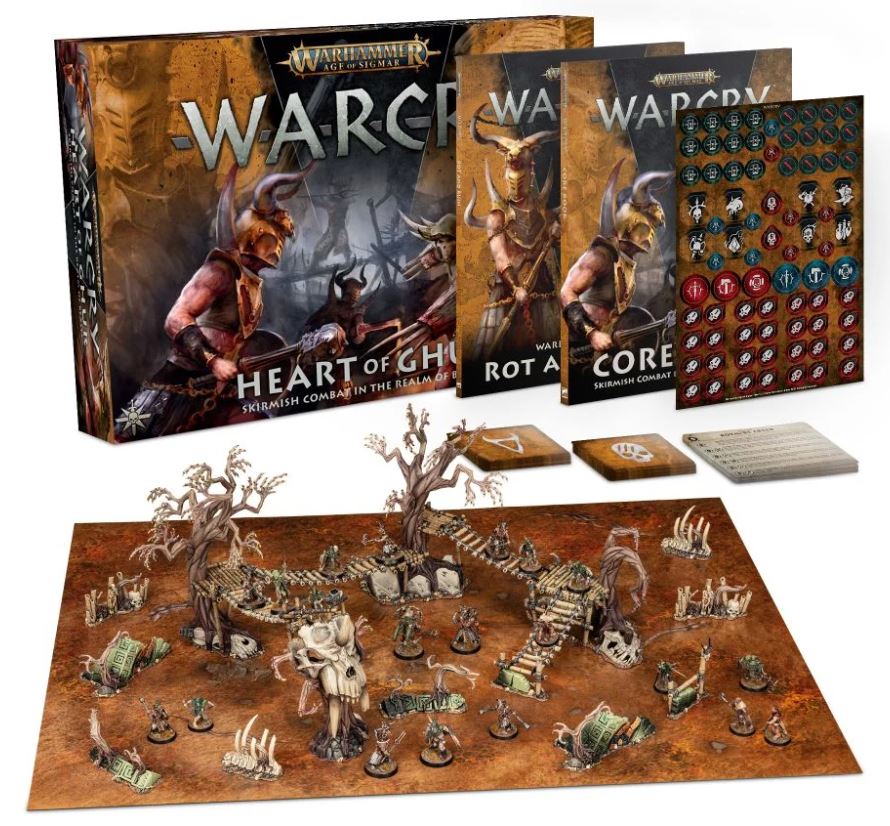
One of Warcry’s greatest strengths lies in its design as a self-contained, complete game. The rulebooks and starter sets provide everything players need to jump into skirmishes, offering rich lore and straightforward mechanics that are easy to grasp but rewarding to master. Players don’t need ongoing expansions to enjoy what Warcry already offers; the framework is solid, and the game stands on its own merits.
Another key advantage, and the one that I believe is crucial to its longevity beyond Games Workshop’s official support, is its compatibility with Age of Sigmar models. Since Warcry, via the Compendium, allows players to use miniatures from the larger Age of Sigmar line, it opens up a huge amount of customisation and variety. Even if official Warcry updates slow down, players with existing Age of Sigmar collections can continue to breathe life into the game by experimenting with new warbands and strategies.
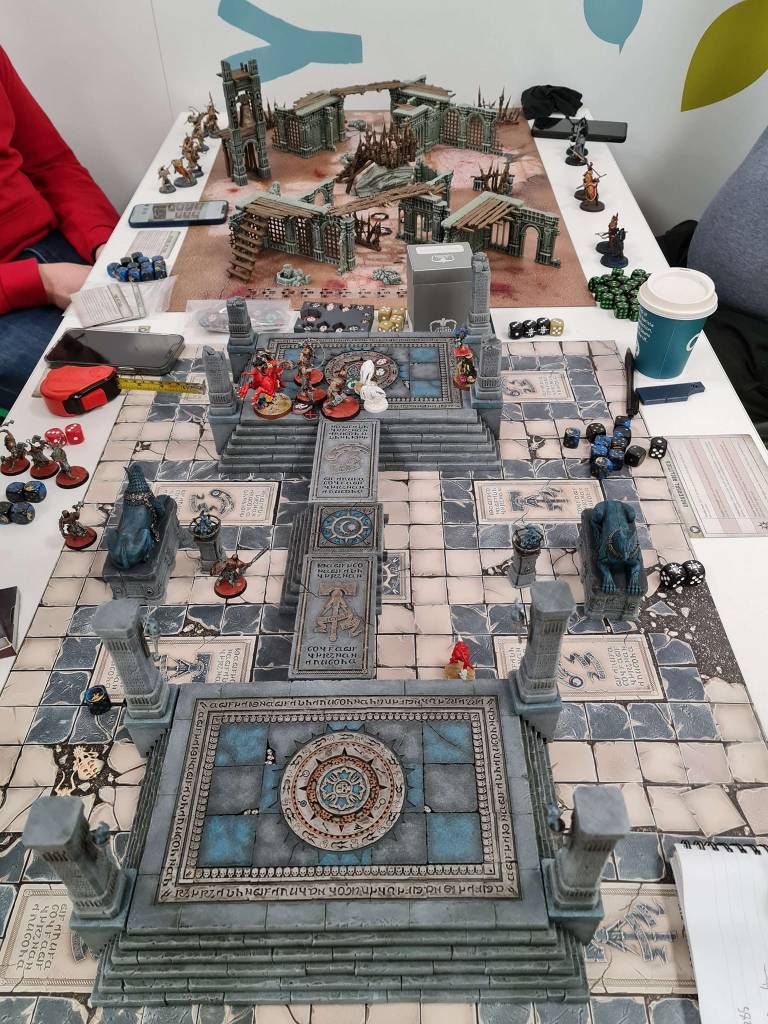
Even if Games Workshop were to cease support entirely, Warcry thrives in the hands of its community. As long as players can share rules and resources, the game remains accessible. This could mean swapping rulebooks, creating homebrew content, or using online forums to keep the spirit of Warcry alive. Many tabletop games flourish long after their publishers move on, thanks to dedicated communities that sustain them through passion and creativity. Just look at the followings that Blood Bowl, Necromunda, and Morheim maintained for years with no support from Games Workshop. Two of those three games have since returned to the official Games Workshop fold.
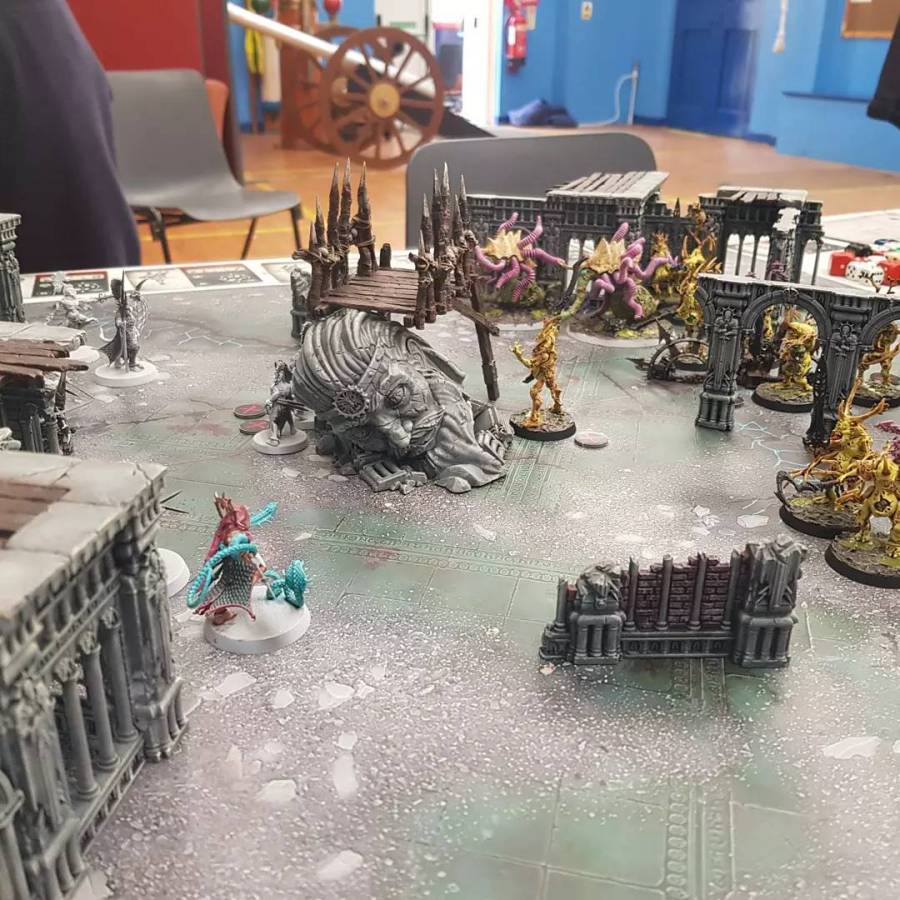
Ultimately, whether Warcry is a “dead game” depends on individual perspective. For players who rely on a steady stream of updates and new releases, it may feel less exciting. But for others, the self-contained nature of Warcry is liberating; it offers a snapshot of focused, high-quality gameplay that doesn’t demand continuous investment in new products to stay relevant.
In the end, the question isn’t whether Warcry is dead; it’s whether the game still brings joy to those who play it. And as long as players continue rolling dice and battling for glory in the Eightpoints, Warcry lives on, proving that sometimes, a “dead game” can be anything but lifeless.
 No Rerolls
4 Comments