
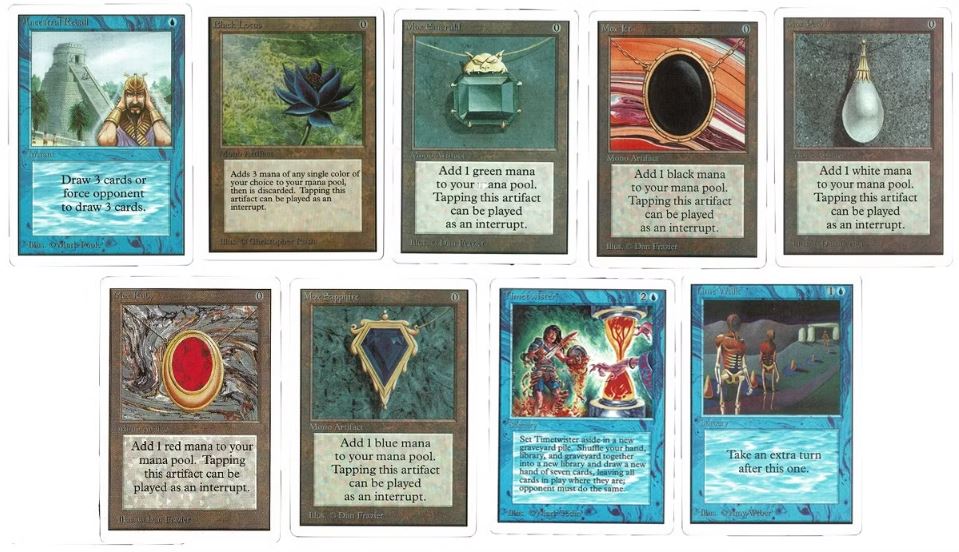
To those familiar with Magic: The Gathering’s secondary market, few topics ignite as much passion as the Reserved List. Introduced in 1996, this policy guarantees that certain cards – many of them powerful, iconic, and expensive – will never be reprinted in a functionally identical form. For some, it’s a sacred promise. For others, it’s a relic that’s holding the game back.
Let’s explore both sides of the debate before asking the hard question: Is the Reserved List still serving Magic’s best interests?
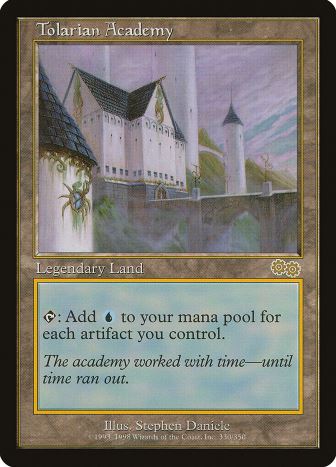
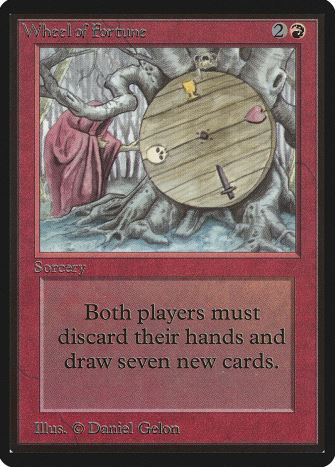
The Case For the Reserved List
The reserved list has been a longstanding part of Magic’s ecosystem, and it definitely has its merits. Some common arguments in favour of the reserved list are:
- Protecting Collector Value: The Reserved List was born out of backlash. When Chronicles and Fourth Edition reprinted valuable cards en masse, collectors and early adopters feared their investments were being devalued. The Reserved List was Wizards of the Coast’s response; a promise that certain cards would remain scarce, preserving their financial worth.
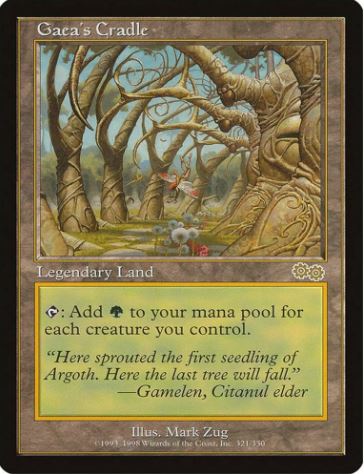
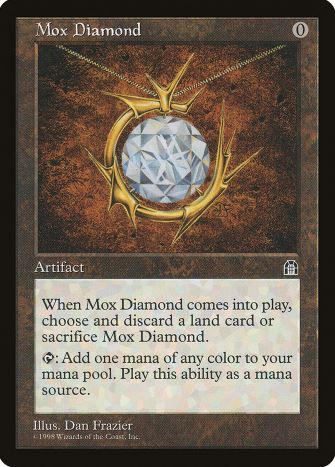
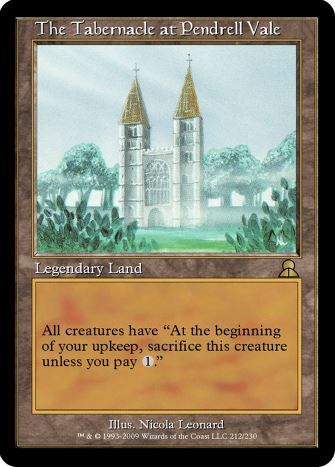
- Trust and Stability: For some players, especially long-time collectors, the Reserved List represents a contract of trust. It reassures them that their rare cards – like Mox Diamond, Gaea’s Cradle, or The Tabernacle at Pendrell Vale – won’t suddenly flood the market. This stability encourages long-term investment in the game.
- A Unique Identity: No other major trading card game has a Reserved List. For better or worse, it gives Magic a distinct identity that comprises a blend of gameplay and collectibility that appeals to both players and investors.
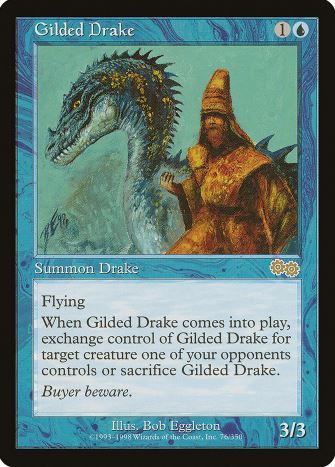
The Case Against the Reserved List
Whilst the reserved list has been around for a few decades now, not everyone agrees that it should survive into another. Here are a handful of arguments against retention of the reserved list:
- Accessibility and Gatekeeping: Many Reserved List cards are essential to competitive formats like Legacy and Vintage, yet their prices are astronomical. This creates a barrier to entry that excludes new players and stifles format growth. A single Underground Sea can cost more than an entire modern deck.
- Artificial Scarcity: The Reserved List doesn’t just preserve value; it inflates it. Cards that would otherwise be reprinted and accessible are locked behind a wall of scarcity. This benefits speculators far more than it does the average player.
- Design Handcuffs: Wizards of the Coast has acknowledged that the Reserved List limits their design space. They can’t reprint or tweak powerful cards that would otherwise be perfect for new sets or products. This stifles creativity and forces awkward workarounds.
- It’s Not Legally Binding: Despite popular belief, the Reserved List is not a legal contract. It’s a policy; one that Wizards has revised before. In fact, in 2002 and 2010, they made changes to remove commons and uncommons, and even admitted that the policy was “not in the best interest of the game”.
The Verdict: A Legacy That Harms the Future
While the Reserved List may have once served a purpose (calming a panicked collector base in the 1990s) it now feels like a shackle on Magic’s growth. It prioritises the past over the future, speculation over accessibility, and scarcity over innovation.
Magic is a game first and foremost. I understand that some see Magic cards as an investment, but they are in no way secure assets. And any policy that prevents players from playing – whether due to price, availability, or artificial barriers – ultimately harms the health of the game.
It’s time to re-evaluate the Reserved List not as a sacred cow, but as a policy overdue for retirement.
If you’re looking for MTG singles, please consider using our Big Orbit Cards affiliate link to find your cards whilst also supporting our site.
 No Rerolls
It’s such a thorny topic, isn’t it? I can remember thinking it was stupid when I first got into the game – because it is a game, and by actively keeping elements of that game suppressed in that way, it made me think that it was actually unstable. Like, if there are game components that I can’t get, how good is my experience going to be with the game?
As time went on, though, and I actually looked at some of the cards on there, I reconsidered as some of those cards were just plain weird, and I could see that I would never want to use them, anyway.
It definitely adds to the mystique of the game, and there’s that kind of historical element to it. I still recoil when people talk about card games as an investment that needs protecting of course, as we’ve seen it as recently as last year with SWU where these investor-types are harming a game’s growth by hoovering up product to prevent people being able to buy to play. But CCGs are so weird in that the value and investment side is actually kinda good… it just needs to be kept in balance I guess. When it goes overboard like Pokemon however, then it’s no longer a card game if you can’t actually play with it.
LikeLiked by 1 person