

Let’s look at some game changers! I’ve got some mixed feelings about WotC’s definition of these powerful cards. They’re staples of the format, and they’re undeniably powerful, but the Game Changer categorisation has the potential to stigmatise their use.
Or does it?
It may well be the case for some groups that by identifying and admitting the power of these cards and defining how many one can include in a deck of a specific tier, it actually gives tacit permission for their use. Go figure.
Whichever way you see it, it’s worth knowing what these cards do. Today, let’s look at Seedborn Muse!
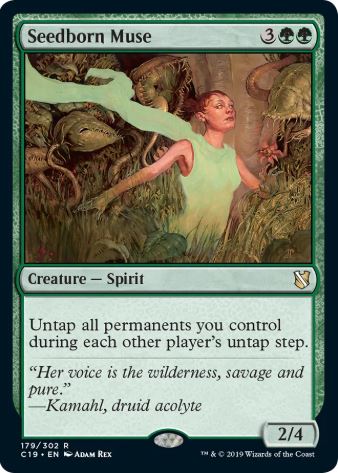
In Commander, turns are precious. You get one main phase, one combat, one chance to act, and then you wait. But Seedborn Muse, first printed in Legions, breaks that rhythm. It doesn’t give you extra turns. It gives you access to mana, to abilities, to interaction on every turn, not just your own.
That’s lands, creatures, artifacts… everything. Every turn. Every opponent.
So, let’s break down why Seedborn Muse is considered a game changer:
- Mana Multiplication: In a four-player pod, you effectively quadruple your mana access. That’s not ramp, it’s tempo distortion.
- Instant-Speed Mastery: Flash decks, activated abilities, and reactive control strategies thrive with Muse on board.
- Defensive Power: Creatures untap every turn, making combat math a nightmare for opponents.
- Combo Enabler: Works beautifully with commanders and cards that rely on tap/untap loops, mana sinks, or repeatable activations.
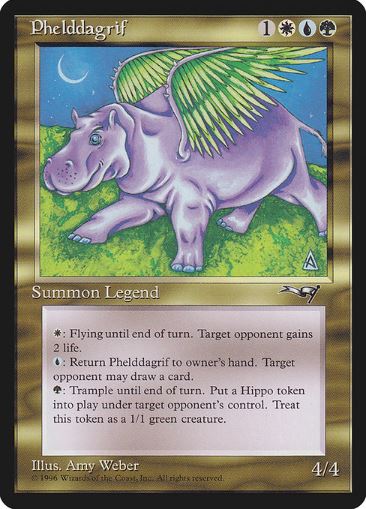
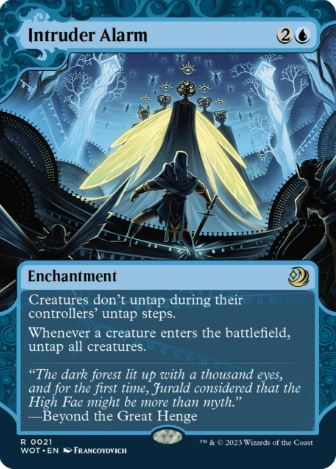
Powerful! I have a couple of decks in which I like to include her. My Phelddagriff deck really likes her! Where else might she find an optimal home, though? Some suggestions:
- Flash-heavy builds: Decks that include Yeva, Nature’s Herald, Lier, Disciple of the Drowned, or Wizards of Thay allow lots of cards to be played at instant speed to make the most of having fresh mana each turn.
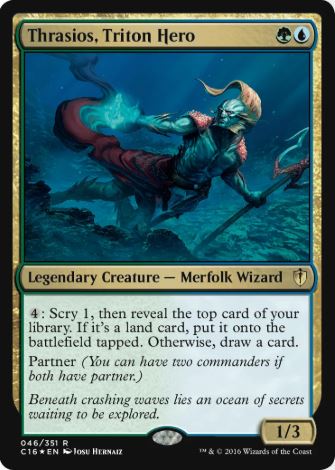
- Activated ability engines: Thrasios, Triton Hero, Derevi, Empyrial Tactician, or Arcanis the Omnipotent love the extra untaps and/or mana for activated abilities.
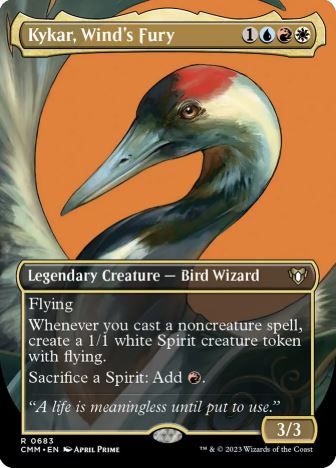
- Token generators and tap effects: Kykar, Wind’s Fury, Trostani, Selesnya’s Voice, or Jade Mage scale beautifully with Muse.
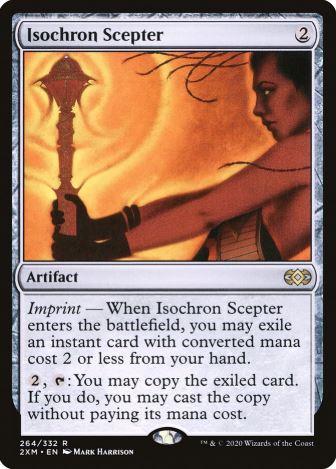
- Combo shells: Especially those using cards like Wilderness Reclamation, Isochron Scepter, or Intruder Alarm for infinite loops.
Okay, so we know where we’re playing our Seedborn Muse. The question that follows is how to play it well. I have a handful of suggestions on that front:
- Don’t Overextend: Muse draws attention. If you intend to keep it in play, protect it with Lightning Greaves, Counterspell, or Heroic Intervention.
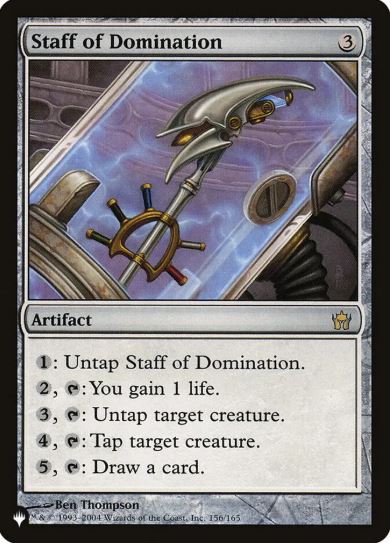
- Pair with Mana Sinks: Thrasios, Walking Ballista, or Staff of Domination turn untapped mana into game-ending value.
- Use with Flash Enablers: In addition to those I already mentioned above, cards like Vedalken Orrery, Leyline of Anticipation, or Alchemist’s Refuge let you fully exploit Muse’s potential.
- Avoid Dead Weight: Muse doesn’t help if your deck is full of sorcery-speed spells and no tap effects. Build with synergy in mind.
Seedborn Muse is a game-changer not because it wins the game outright but because it reshapes the game’s tempo. It turns waiting into playing, transforms defence into opportunity, and rewards decks that think beyond their own turn. In Commander, where interaction and timing are everything, Muse is the heartbeat of decks that never sleep.
If you’re looking for MTG singles, please consider using our Big Orbit Cards affiliate link to find your cards whilst also supporting our site.
 No Rerolls
2 Comments