
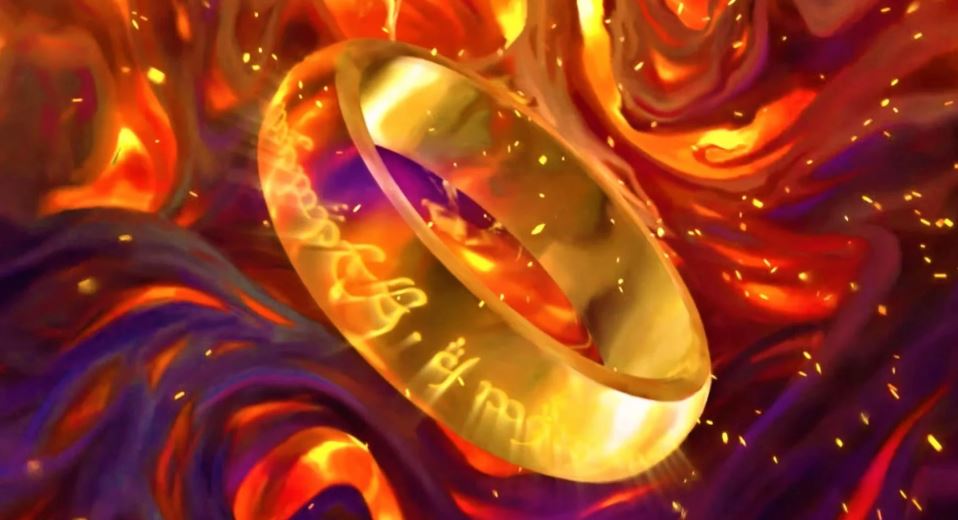
Let’s look at some game changers! I’ve got some mixed feelings about WotC’s definition of these powerful cards. They’re staples of the format, and they’re undeniably powerful, but the Game Changer categorisation has the potential to stigmatise their use.
Or does it?
It may well be the case for some groups that by identifying and admitting the power of these cards and defining how many one can include in a deck of a specific tier, it actually gives tacit permission for their use. Go figure.
Whichever way you see it, it’s worth knowing what these cards do. Today, let’s look at The One Ring!
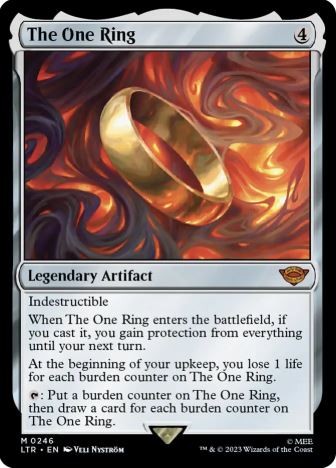
The One Ring is a legendary artifact that reshapes risk and reward around the bearer. It allows you to tap it to add a burden counter to the card and draw cards equal to the number of burden counters on it, but you’re then going to lose life equal to those burden counters during each of your upkeep steps. So, yes, it grants powerful ongoing benefits but grows perilously burdensome over time, asking players to balance immediate advantage against accumulating cost.
There are some solid reasons that it’s a great card:
- Immediate Safety Plug: The entrance trigger that grants protection from everything (when you cast it) buys a turn of safety, making the artifact a far less fragile early target than most powerful legendaries.
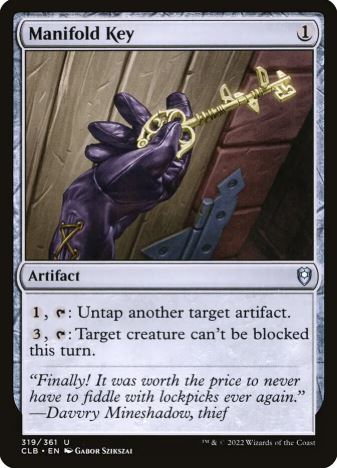
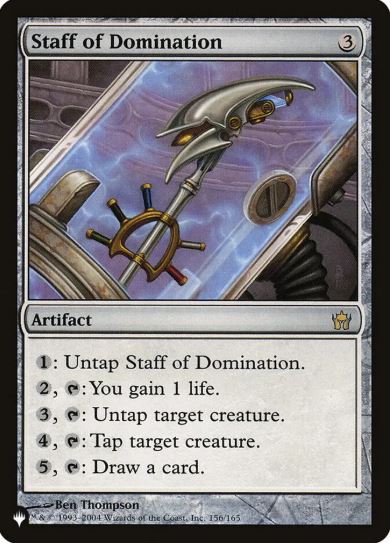
- Compounding Card Advantage: Each activation grows the Ring’s burden but also turns future activations into exponentially larger draws. A deck that can leverage repeated taps with cards like Manifold Key, Seedborn Muse, or Staff of Domination will convert risk into sustained card advantage.
- Built-In Tension: The upkeep life loss tied to burden counters creates a ticking clock. The Ring forces choices: draw now and accelerate toward inevitability, or delay and preserve life to avoid collapse. There are, of course, many different ways to recover life.
Okay, so it’s strong. Honestly, most decks would benefit from this card, but where does it really fit well? A few suggestions:
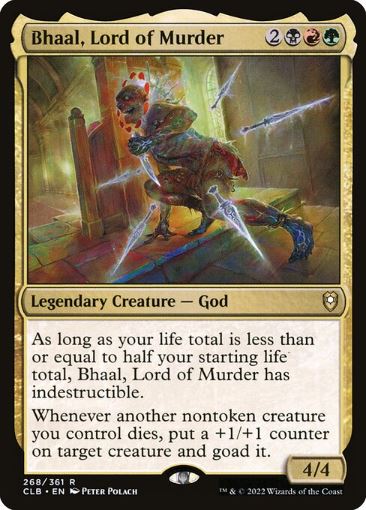
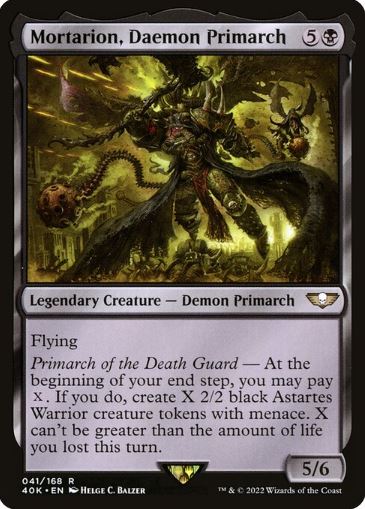
- Low-Life Payoff Decks: Decks comfortable operating at compressed life totals or those that can gain life immediately after paying upkeep make the most of the Ring’s engine. If you’re committing to a lower life total, consider commanders like Bhaal, Lord of Murder and MyrKul, Lord of Bones. Alternatively, use the damage you are taking each turn to feed Mortarion, Daemon Primarch.
- Instant-Speed Combo and Refill-heavy decks: Flash-speed mana and protective effects let you exploit the Ring before opponents can respond, and cards that refill life after upkeep, including lifelink creatures, pair well.
- Recursion-heavy decks: Because it’s indestructible and can grant temporary protection, the Ring slots well into builds that want a durable engine rather than a fragile glass cannon.
Now, that’s not all to say that everything is going to work out for you. There are a few drawbacks to using The One Ring:
- Life Tax: The unrelenting upkeep drain scales with your own use of the Ring and punishes reckless activation; it can force fatal decisions when combined with damage-based metagame pressure.
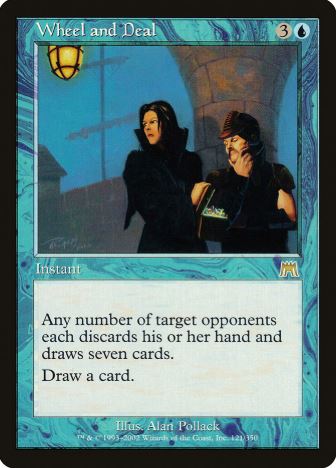
- Draw Predictability: Because the Ring’s output is concentrated into draws tied to its counters, opponents can anticipate your replenishment windows and plan removal or mass discard, including wheel effects from cards like Magus of the Wheel or Wheel and Deal, accordingly.
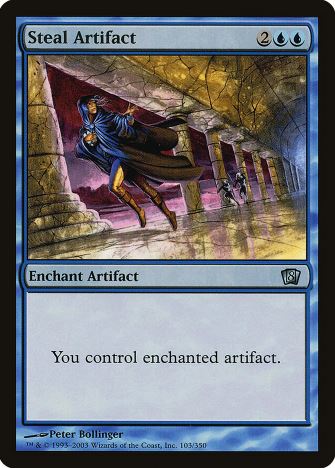
- Targeted Denial: While indestructible, the Ring is vulnerable to exile, control effects that change ownership, or effects that remove artifacts from the battlefield entirely; denying the tap window or stealing the Ring (with, say, Steal Artifact, to name one obvious option) can flip its power against you.
So, taking into account those weaknesses, the previously mentioned strengths, and some consideration of what this card offers, here are a few final pieces of advice to really make the most of The One Ring:
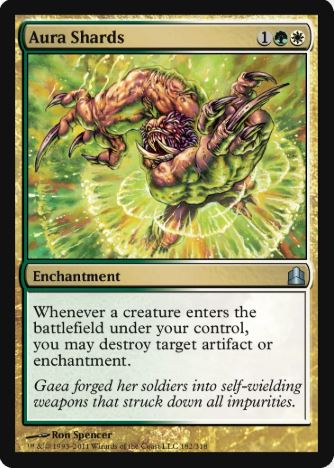
- Timing Matters: Cast the Ring when you can guarantee at least one safe activation or when the protection trigger will matter most; avoid casting it into a pile of reliable artifact removal. I’m looking at you, Aura Shards!
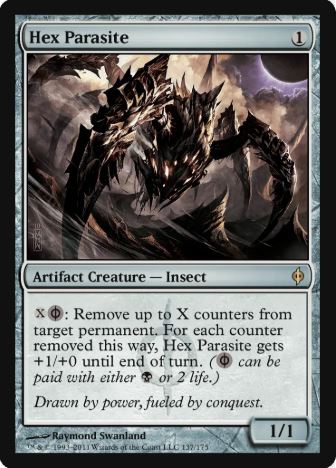
- Manage Burdens: Treat burden counters as both currency and timer: use early activations to establish advantage, then slow down taps when life becomes fragile. Remember, you can always slow things down, if needed, with cards like Hex Parasite and Ferropede.
- Plan Finishers: The Ring’s card advantage needs a payoff: assemble finishers that work within compressed life totals or that win immediately after a large draw step.
The One Ring is a beautifully selfish design: it gives power in exchange for peril. It rewards disciplined sequencing and meta-awareness, and it turns the act of drawing into a strategic gamble. When played with restraint and foresight, it becomes an engine that is both thematic and potent; when abused, it collapses under its own weight. In Commander it is a statement piece; a card that asks the pilot to embrace temptation and answer whether the price of power is worth paying.
Thematic, that…
If you’re looking for MTG singles, please consider using our Big Orbit Cards affiliate link to find your cards whilst also supporting our site.
 No Rerolls
2 Comments