
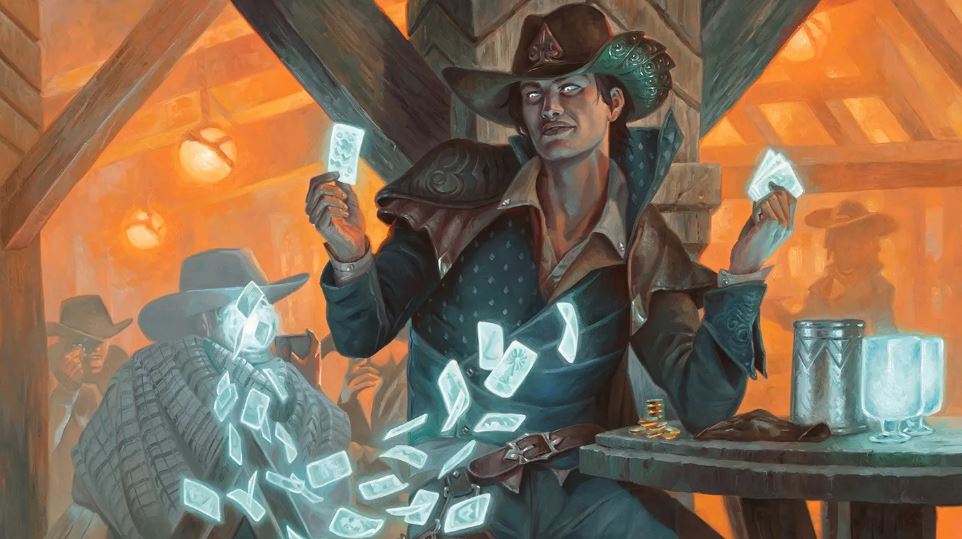
Let’s look at some game changers! I’ve got some mixed feelings about WotC’s definition of these powerful cards. They’re staples of the format, and they’re undeniably powerful, but the Game Changer categorisation has the potential to stigmatise their use.
Or does it?
It may well be the case for some groups that by identifying and admitting the power of these cards and defining how many one can include in a deck of a specific tier, it actually gives tacit permission for their use. Go figure.
Whichever way you see it, it’s worth knowing what these cards do. Today, let’s look at Notion Thief!
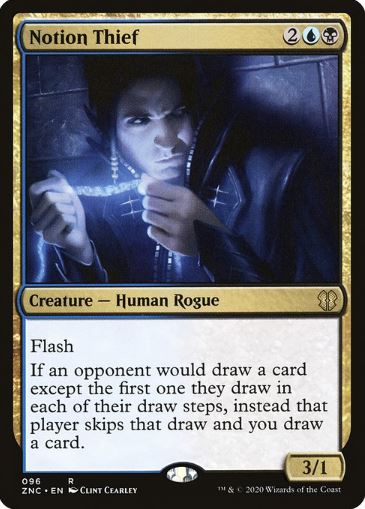
Some cards punish greed. Notion Thief punishes normal behaviour. It doesn’t just disrupt a plan; it flips the table’s entire understanding of card advantage on its head. One moment, players are sculpting hands, cracking clues, spinning wheels, and drawing extra cards like it’s the most natural thing in the world. The next moment, a 3/1 with flash steps out of the shadows and declares that all of that belongs to you now.
Notion Thief is a game changer because it weaponises a universal assumption: that drawing cards is good. It takes the most fundamental action in Magic and turns it into a liability. And the moment it resolves, the entire table has to recalibrate. Every Rhystic Study trigger becomes a trap. Every wheel becomes a war crime. Every “I’ll just draw two” becomes a disaster waiting to happen.
It’s not just a hate piece. It’s a hostile takeover.
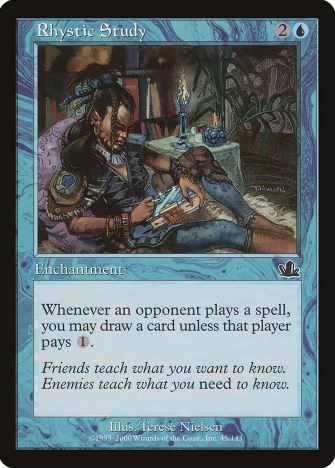
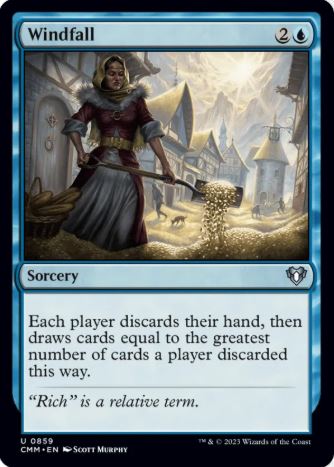
Now, Notion Thief doesn’t just stop opponents from drawing; it steals their draws. That single twist is what elevates it from a nuisance to a seismic shift in the game’s texture. Suddenly, your opponents’ engines become your engines. Their wheels become your refill. Their value becomes your inevitability.
And the synergies are obvious:
You know, all the card draw. These all become table‑leveling events. A single wheel with Notion Thief out can turn a fair game into a one‑player show. It’s the kind of swing that doesn’t just change the board; it changes the story of the game.
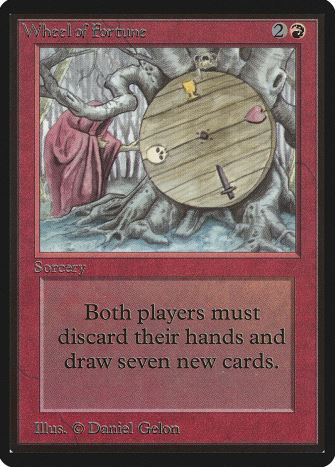
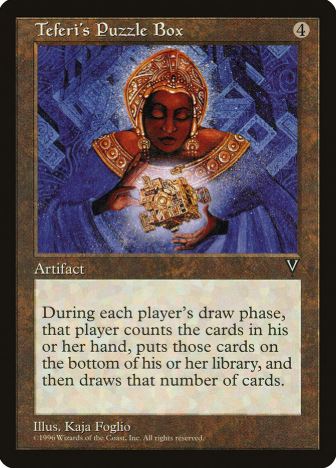
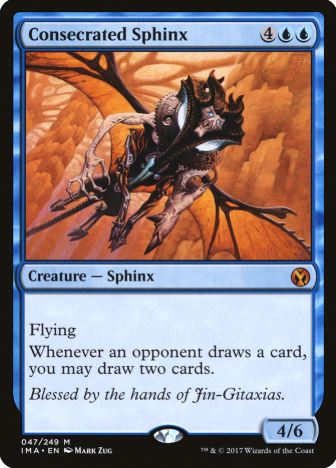
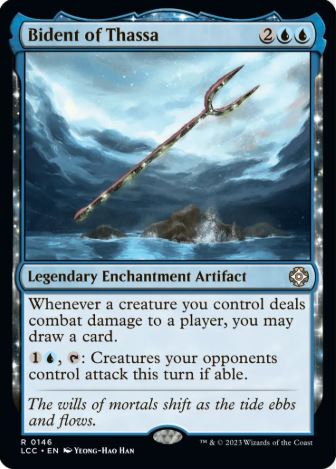
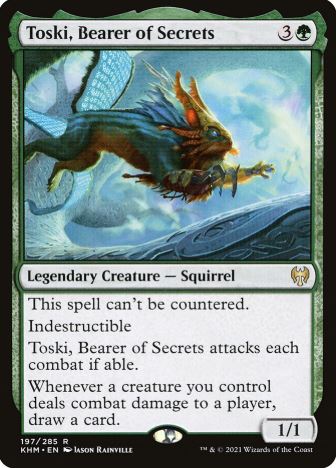
What makes Notion Thief so deliciously cruel is that it preys on habits. Players don’t think about drawing cards as a risk. They don’t consider that their own engines might betray them. They don’t imagine that their Consecrated Sphinx, their Mystic Remora, their Bident of Thassa, or their Toski, Bearer of Secrets could suddenly become liabilities.
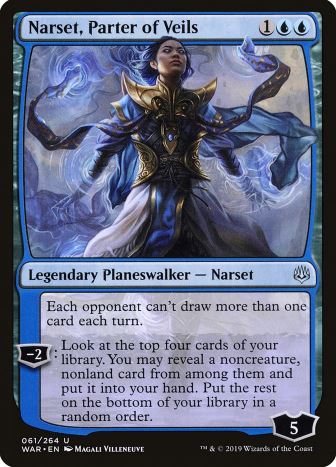
Notion Thief forces players to confront a truth they’d rather ignore: card advantage is only safe when you control the rules of engagement. And once the Thief is on the battlefield, you don’t. It’s the same psychological shift you get from Narset, Parter of Veils, but with teeth. Narset restricts. Notion Thief takes.
Notion Thief’s arrival on the table is greeted by a moment of disbelief, a check of the card text, and then a sense of shock, followed by panic. The moment it flashes in the wheel player looks like they’ve been betrayed by their own deck, the blue player starts desperately digging for removal, and the Thief’s controller sits there, quietly drawing card after card.
It’s a moment that freezes the game. A moment where everyone realises the axis of advantage has shifted so violently that the next few turns might as well be a different match entirely.
Notion Thief remains a Game Changer because it attacks the heart of Commander: card draw. It doesn’t care about combat, life totals, or board presence. It cares about the one resource that defines the format. And by flipping that resource on its head, it forces players to rethink everything, from their sequencing and their engines, to their assumptions and their politics.
This is a card that turns your opponents’ strengths into your strengths, instantly and brutally. In the end, it doesn’t just change the game. It steals it.
If you’re looking for MTG singles, please consider using our Big Orbit Cards affiliate link to find your cards whilst also supporting our site.
 No Rerolls
2 Comments