
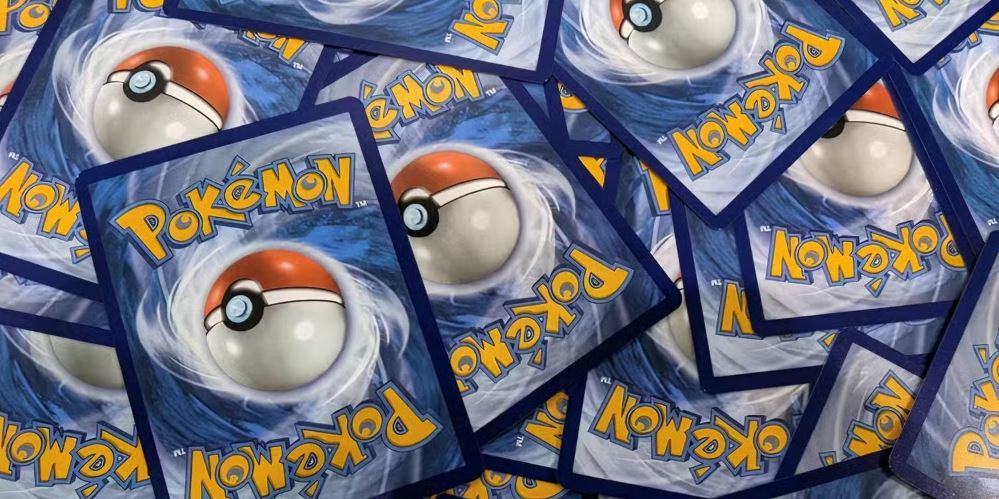
On a Friday night, the difference is palpable. In one room, Magic players shuffle decks, sleeves worn soft from countless games, dice clattering across tables as strategies unfold. Every card in their hands is alive; part of a story, part of a plan, part of the game itself. Across town, Pokémon collectors gather not around tables but around cases. Booster boxes are sealed in acrylic, cards are slipped into graded slabs, and the thrill comes not from casting a spell but from owning a pristine artifact.
This is the split at the heart of two trading card giants. Magic cards are bought to be played, lived, and reshaped by the metagame. Pokémon cards are increasingly bought to be held, speculated upon, and displayed. One is a living game, the other a collectable market.
Magic’s economy is inseparable from its gameplay. Cards are not just commodities; they are tools, choices, and risks. A new set release means fresh product, sure, but it also means fresh strategies, new archetypes, and shifting metagames. A card’s value rises and falls with its role in Standard, Modern, Commander, or Draft. Demand is driven by playability: if a card wins games, players will seek it out.
This creates a culture where ownership is tied to interaction. Deckbuilding is a creative act, tournaments are communal rituals, and even casual Commander nights are about the stories that unfold at the table. Speculation exists – finance blogs track prices, collectors chase foils – but it is secondary. The primary reason to buy a Magic card is to sleeve it up and shuffle it in. It’s why there’s less of a culture of getting Magic cards graded.
Magic thrives because its cards are living pieces of a shared game. They are designed to be played, not just possessed. And that play economy sustains a culture where cardboard is more than commodity; it’s experience, creativity, and competition made tangible.
Now, whereas Magic cards are bought to be played, Pokémon cards are increasingly (but not exclusively) bought to be held. The culture around the Pokémon TCG has shifted from the table to the vault. Booster boxes are sealed away like wine, cards are graded and encased in plastic, and the thrill lies not in casting a move but in owning a pristine artifact.
Nostalgia drives a decent chunk of this market. Collectors chase the Charizards and Pikachus of their childhood, not to shuffle them into decks but to display them as trophies. Scarcity and grading systems amplify the effect: a card isn’t just rare, it’s quantified, ranked, and commodified. A PSA‑10 Charizard is no game piece. No, it’s an asset, traded at auction houses and tracked like a stock.
The result is a speculative economy. Prices spike and crash with hype cycles, influencers fuel demand, and buyers treat packs as lottery tickets rather than gateways to play. Many who buy Pokémon cards never learn the rules of the game at all. For them, the appeal lies in possession, not interaction. The card is valuable because it is rare, not because it can be played.
This is where Pokémon diverges most sharply from Magic. Magic’s cardboard lives in decks, its value tied to function. Pokémon’s cardboard lives in cases, its value tied to nostalgia and speculation. One is a living game, the other a collectable market. This is not a criticism of either game, but I know which approach I prefer.
For players like me, who see cards as living game pieces, the Pokémon model feels strangely empty. A card encased in plastic is no longer a tool, no longer a choice, no longer part of a story unfolding at the table. It is an object, valuable only because others agree it is. The thrill lies in possession, not interaction, in rarity rather than resonance.
Magic cards earn their worth through play. A Thoughtseize is prized because it shapes games, a Sol Ring because it accelerates stories, a Lightning Bolt because it has defined formats for decades. Their value is inseparable from the experience of casting them. Pokémon cards, by contrast, are prized because they are scarce, pristine, or nostalgic. They are collected, graded, and displayed, but rarely shuffled.
This is why the Pokémon approach does not appeal to me. It just strips away the heart of a trading card game – the act of playing – and replaces it with speculation. The cardboard becomes a commodity, the stories become auctions, and the table becomes a vault. For Magic players, that feels like a loss: the loss of interaction, of creativity, of the living pulse that makes a card more than paper.
At its core, the divide between Magic and Pokémon is cultural. Magic, at least when playing casually, thrives on stories at the table. Every game is a narrative: the clutch topdeck, the politics of Commander, the metagame shifts that ripple through formats. Cards are alive because they are played, and their meaning is forged in interaction. The culture is communal, creative, and competitive, and is anchored firmly in the act of shuffling and casting.
Pokémon, by contrast, thrives on stories of the chase. The drama isn’t in gameplay but in the hunt: the rare pull from a booster, the pristine grade from PSA, the auction where a Charizard sells for thousands. The culture is about possession, nostalgia, and speculation. Cards are alive only insofar as they are rare, and their meaning is forged in markets rather than matches.
This split reveals two philosophies of what a trading card game can be. Magic insists that cardboard is a medium for play, and for shared experience. Pokémon insists that cardboard is a collectable, a commodity, a symbol of childhood preserved in plastic. Both sustain communities, but they speak to different desires: one to play, the other to possess. And that’s not to say these are mutually exclusive. Plenty of Magic players are speculators, and there are many passionate Pokémon trainers out there.
The split between Magic and Pokémon is more than economics. It’s philosophy. Magic cards live in decks (or an arbitrary list of non-reprintable cards), their value proven in play, their meaning forged in stories at the table. Pokémon cards live in vaults, their value preserved in scarcity, their meaning forged in nostalgia and speculation.
Return to the opening image: one room filled with shuffling decks and laughter, another filled with sealed boxes and graded slabs. Both are communities, both are sustained by cardboard, but they embody different visions of what a trading card game can be. For Magic players, the appeal lies in interaction, creativity, and competition. For Pokémon collectors, the appeal lies in possession, rarity, and investment. One is a living game, the other a collectable phenomenon. Both approaches, of course, are valid. I just know which one I prefer.
If you’re looking for MTG or Pokémon singles, please consider using our Big Orbit Cards affiliate link to find your cards whilst also supporting our site.
 No Rerolls