

Let’s look at some game changers! I’ve got some mixed feelings about WotC’s definition of these powerful cards. They’re staples of the format, and they’re undeniably powerful, but the Game Changer categorisation has the potential to stigmatise their use.
Or does it?
It may well be the case for some groups that by identifying and admitting the power of these cards and defining how many one can include in a deck of a specific tier, it actually gives tacit permission for their use. Go figure.
Whichever way you see it, it’s worth knowing what these cards do. Today, let’s look at Gamble!
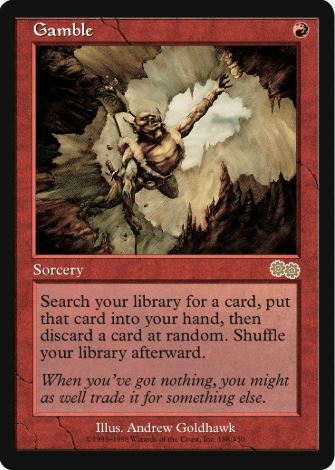
Some cards change a game by quietly shifting the maths of a turn. Gamble is one of them. One red mana to find anything is a rate red shouldn’t get, and it lets a deck hit its plan earlier than the table expects. The discard looks chaotic, but in most Commander decks the graveyard is a resource, not a penalty. That combination of speed, flexibility, and low cost is what makes Gamble a genuine game‑changer.
Gamble is strong because it breaks the rules red normally plays by. One mana for a universal tutor, even at sorcery speed, is an absurd rate in Commander, and it lets a deck accelerate its plan without sacrificing tempo. You can develop your board, hold up interaction, or bluff strength while still finding the exact piece you need. That efficiency alone puts it ahead of most red card‑selection tools.
The discard is the part people fixate on, but in practice, it rarely matters. Commander decks lean heavily on recursion, redundancy, and graveyard value; losing a card at random is often neutral and sometimes actively beneficial. In shells built to exploit the graveyard, the “downside” becomes a second line of play.
And unlike most red tutors, Gamble isn’t narrow. It doesn’t care about card type or strategy. It fetches win conditions, combo pieces, interaction, lands, or silver bullets with the same ease. That flexibility is what elevates it: a single red pip that quietly gives you access to the best card in your deck at the moment you need it.
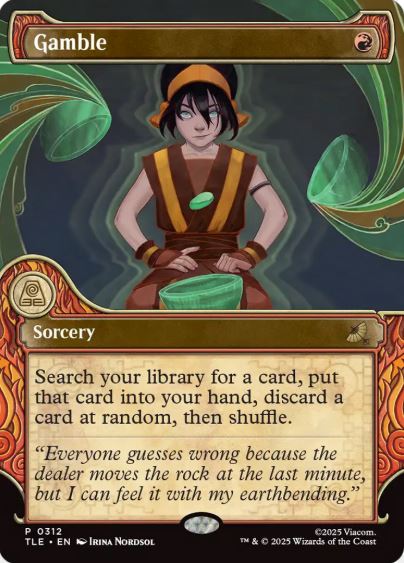
But why is it on the list?
Gamble changes games because it compresses a deck’s timeline. One mana to find your best card means your plan comes online earlier than opponents expect, and that shift in tempo forces the table to react to you rather than develop naturally. It also rewards intentional deckbuilding: the more your list treats the graveyard as a resource, the less the discard matters, turning the “risk” into a second angle of advantage. And once you cast it, the table knows you’ve found something important. Even before the payoff appears, the threat of it shapes how opponents sequence their turns. That psychological pressure is part of the card’s power.
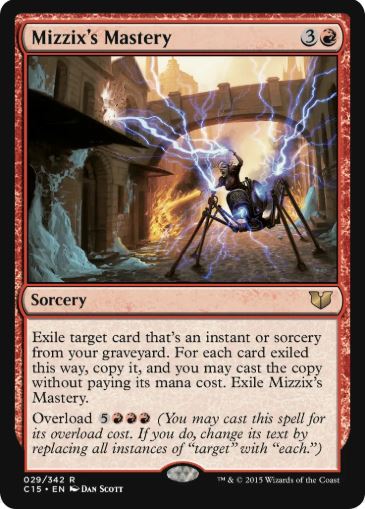
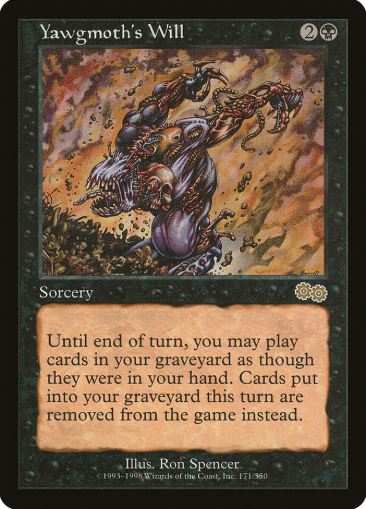
Let’s consider how to use the card well. Gamble works best when you treat it as a setup tool, not a panic button. It’s strongest when your hand is small, your plan is clear, and your deck is built to absorb or exploit the discard. The card isn’t about luck; it’s about timing and structure. So, when do we cast it?
- When both outcomes are good: Either you keep the tutored card or you’re happy to recur it.
- When your deck can use the graveyard: The discard becomes a second line of play.
- When you’re assembling a plan, not scrambling for answers: Gamble is proactive, not reactive.
- When you can immediately use the tutored card: Reducing the window for opponents to disrupt you.
Okay, so we’ve established that Gamble becomes dramatically stronger when your deck is built so that either outcome – keeping the tutored card or discarding it – pushes your plan forward. These are the shells where the card stops being a risk and becomes a one‑mana engine.
Decks that treat the graveyard as an extension of the hand are great homes for Gamble. If the discard hits the tutored card, you simply cast it from the bin or use it as fuel. Some key cards that fit this archetype include:
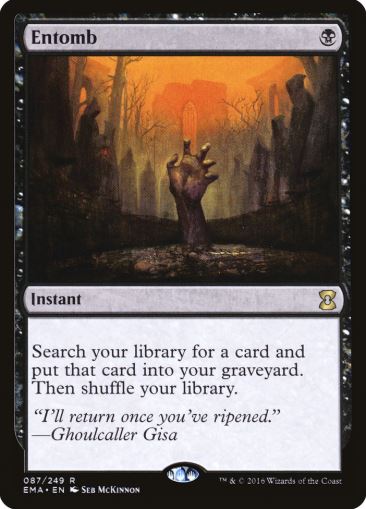
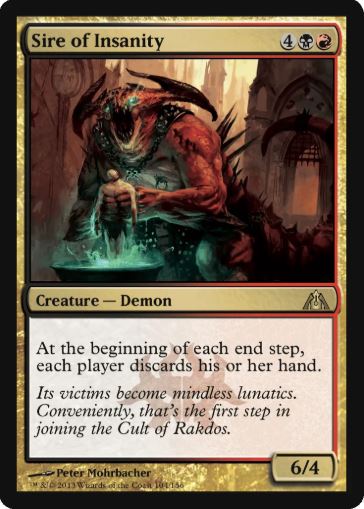
Gamble also works great if your deck has a few great reanimator targets. Here, the “worst‑case scenario” is actually the best one. Tutoring a creature and discarding it is perfect; you’ve just cast Entomb with more steps. These decks actively want their threats in the graveyard. I’m thinking of big, pricey cards like:
- Archon of Cruelty
- Sire of Insanity
- Worldgorger Dragon
- Razaketh, the Foulblooded
- Vilis, Broker of Blood
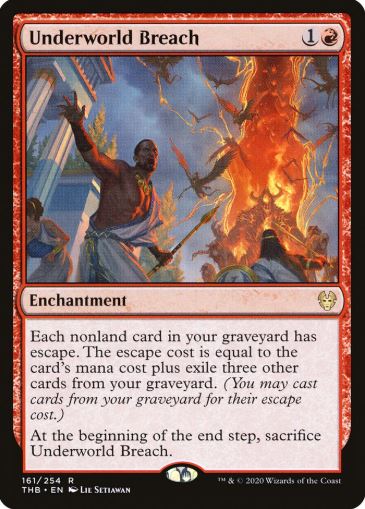
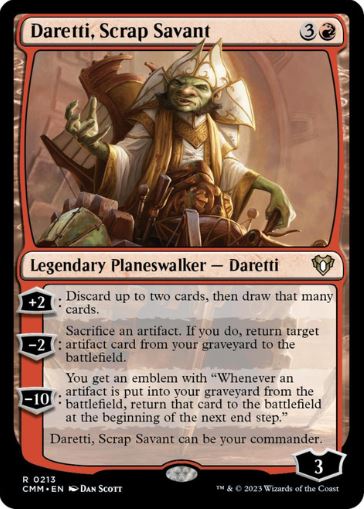
It’s not unusual to have a red aspect to artifact decks, and gamble can definitely find a home in those decks. Artifact‑centric decks might actually be some of the best Gamble homes. If the discard hits your target, your recursion engines simply pull it back out, often at a discount. In these lists, the graveyard becomes a staging area rather than a loss. Key cards in such decks might include:
Like any tutor, it’s in the setting up of combos where Gamble becomes a true game changer. Many red combo lines only need two pieces to start snowballing. Gamble can grab one of those pieces for one mana, and the discard often doesn’t matter because, as we’ve discussed, you’ll have built around it. Some fun pairings might include:
- Godo, Bandit Warlord + Helm of the Host
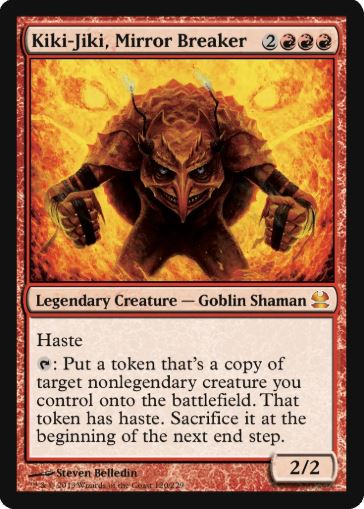
- Kiki-Jiki, Mirror Breaker + Combat Celebrant
- Kiki-Jiki, Mirror Breaker + Zealous Conscripts
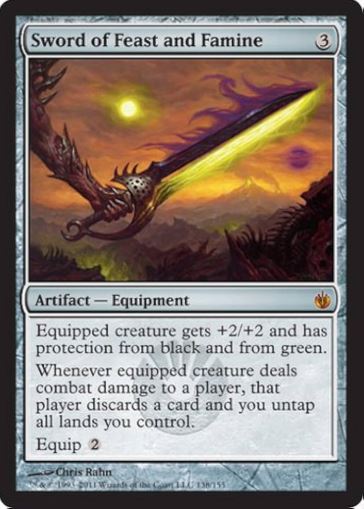
- Sword of Feast and Famine + Aggravated Assault
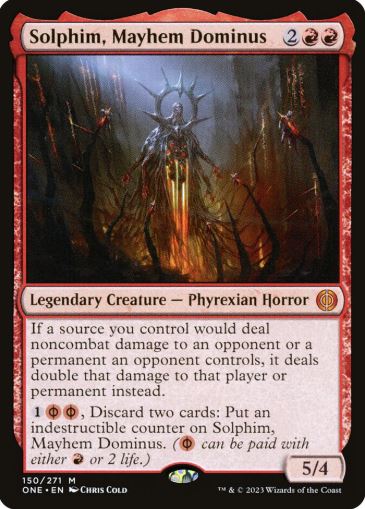
- Solphim, Mayhem Dominus + Heartless Hidetsugu
Now, let’s consider how we play against this card. You don’t beat Gamble by hoping the discard hits the tutored card. That’s not a plan; that’s a prayer. Your first line of defence, of course, is a counter, such as the archtypal card for countering spells, Counterspell. But, that route aside, the other way to counter Gamble is to attack the lines it enables, rather than the tutor itself. Once you understand what the card is used to fetch, you can disrupt the follow‑up and force the red player to waste the tempo advantage they gained.
As we’ve discussed, many Gamble decks treat the graveyard as a second hand. If you remove that safety net, the discard becomes a real cost again. Graveyard hate turns Gamble from “one‑mana tutor” into “one‑mana gamble”. I’m thinking of cards like:
Ultimately, the tutor isn’t the threat; the card it finds is. Countering Gamble is usually a waste of interaction. Countering the thing it fetched is where you actually gain ground. For example, one might:
- Counter the Underworld Breach
- Remove the Solphim, Mayhem Dominus
- Kill the Kiki‑Jiki target
- Exile the reanimation target before it resolves
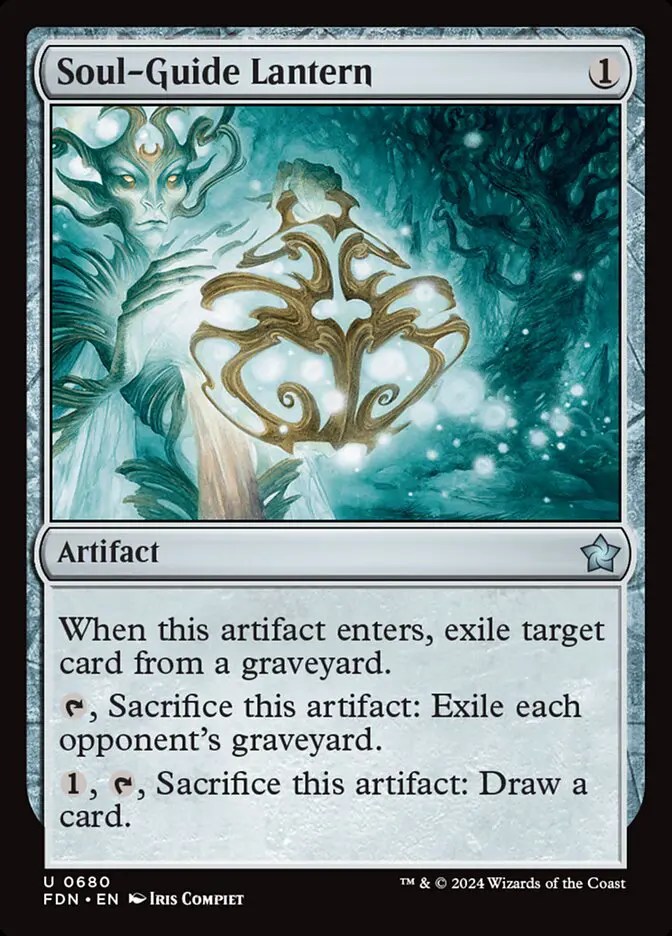
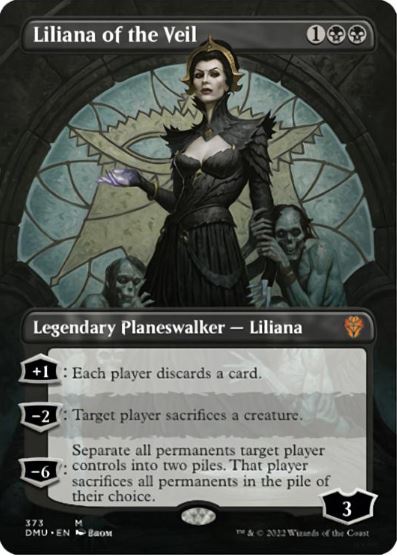
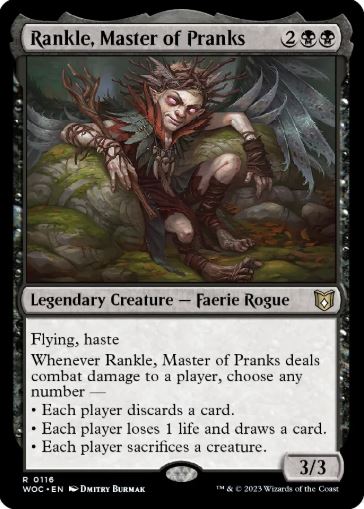
Sometimes your opponent won’t have built around Gamble’s discard, or they don’t have a recursion engine up and running yet. If you can force additional discards after Gamble, you increase the chance they lose the tutored card before they can use it. This is one of the few ways to make the randomness work in your favour. You might use:
- Liliana of the Veil
- Rankle, Master of Pranks
- Burglar Rat
- Elderfang Disciple
- Wheel effects that don’t benefit them
This is an especially strong strategy against decks that rely on holding a specific combo piece. Make them ditch it!
Gamble is one of those cards that looks chaotic but plays disciplined. It gives red something it rarely gets: a one‑mana way to find the exact piece a deck needs, at the moment it matters most. The discard is only a drawback in lists that aren’t built to handle it; in the right shell, it becomes a second vector of value. That combination of cost, flexibility, and inevitability is what earns Gamble its place as a genuine Commander game‑changer.
If you’re playing it, build so the discard never hurts you. If you’re playing against it, respect the lines it unlocks. Either way, the card shapes the game long before the payoff hits the table.
If you’re looking for MTG singles, please consider using our Big Orbit Cards affiliate link to find your cards whilst also supporting our site.
 No Rerolls