
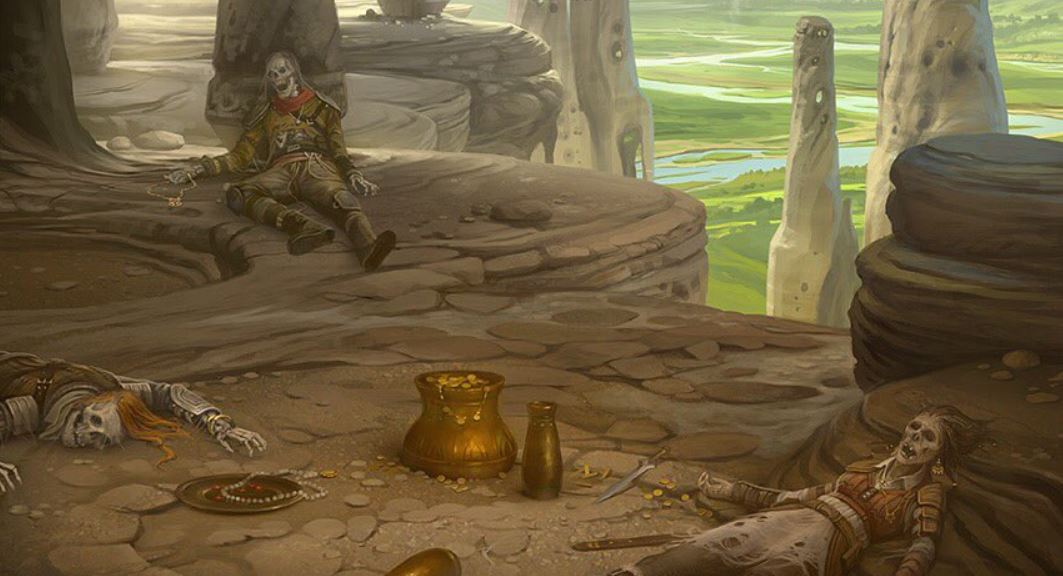
Let’s look at some game changers! I’ve got some mixed feelings about WotC’s definition of these powerful cards. They’re staples of the format, and they’re undeniably powerful, but the Game Changer categorisation has the potential to stigmatise their use.
Or does it?
It may well be the case for some groups that by identifying and admitting the power of these cards and defining how many one can include in a deck of a specific tier, it actually gives tacit permission for their use. Go figure.
Whichever way you see it, it’s worth knowing what these cards do. Today, let’s look at Ancient Tomb!
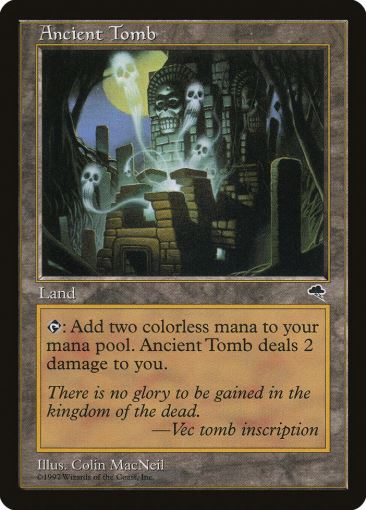
There are cards that can change a game before anyone has cast a spell. Ancient Tomb is one of them. Two colourless mana on turn one doesn’t look dramatic, but it quietly rewrites the pace of the table. It lets you skip the slow, polite opening turns Commander (outside of CEDH) usually expects and jump straight into meaningful development while everyone else is still playing taplands.
The life loss barely registers in a 40‑life format, and the mana advantage compounds immediately: faster rocks, earlier engines, earlier stax pieces, and earlier commanders. It’s not flashy, and it doesn’t need to be. Ancient Tomb is a structural advantage card; the kind that wins games simply by letting you start playing real Magic a full turn ahead of everyone else.
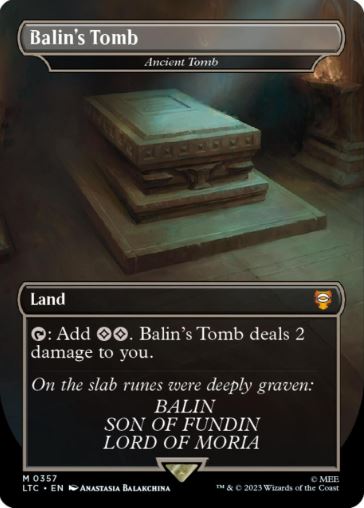
Ancient Tomb is strong because it gives you something Commander seems to be trying to limit with recent bans: fast mana. And, in this case, it’s from a land slot, too. Two colourless mana on turn one is a huge jump in tempo, and it lets you start playing meaningful spells quickly. A turn‑one rock becomes a turn‑two engine, which becomes a turn‑three threat that normally wouldn’t appear until turn five.
The life loss barely matters in a 40‑life format. You’re trading a few points of life for a full turn of development, and that’s a trade winning decks will make every time. Because it’s a land, it dodges most interaction, can’t be countered, and doesn’t cost you a card in hand. It simply sits there, quietly generating more mana than it has any right to.
What makes Ancient Tomb genuinely powerful is how unconditional it is. It doesn’t ask for synergy, tribal support, or a specific shell. Any deck that wants to accelerate – stax, combo, midrange, even some control lists – can use it well. And because it’s colourless, it slides into almost any manabase without friction.
But why is it on the list?
Simply put, Ancient Tomb is a game changer because it lets you start a full turn ahead of everyone else. That early jump forces the table to play at your pace, not theirs. It turns borderline hands into keeps, accelerates commanders that scale with tempo, and pushes engines or stax pieces onto the battlefield before opponents can prepare. And because it’s a land, the advantage is almost impossible to disrupt. It doesn’t win the game on its own, but it does make everything you do happen sooner, and that’s often enough.
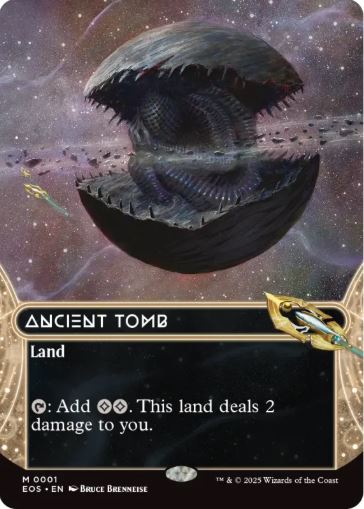
We’ve established that this is a strong card, but how do we use it? Ancient Tomb rewards decks that can convert early mana into real pressure. It’s not a value card. It’s a tempo card, and it’s strongest when your opening turns actually do something with the acceleration it provides. The life loss is irrelevant if you’re the one dictating the pace.
You want to use the early mana to jump ahead, and that usually means deploying pieces that snowball your position before opponents can respond:
- Mana rocks (think Sol Ring, Arcane Signet and others) that extend the acceleration
- Early engines such as Rhystic Study, The One Ring, or Smothering Tithe
- Stax pieces like Trinisphere, Grafdigger’s Cage, or Chalice of the Void
- Commanders that scale with tempo, such as Kinnan, Magda, or Winota
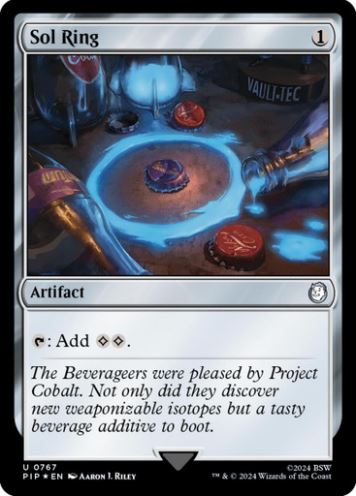
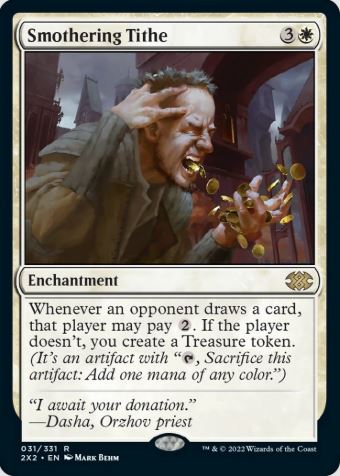
You also want to make sure the extra mana actually advances your plan. That means keeping hands that can turn the acceleration into a meaningful turn one or two, and prioritising lines that create pressure or card flow rather than empty development:
- Hands that curve Ancient Tomb into a rock into a four‑drop
- Lines that land early value engines like Mystic Remora or Jhoira, Weatherlight Captain
- Turns where you can immediately deploy something impactful instead of floating mana
You can then leverage the tempo advantage to control the pace of the table, forcing opponents to react before they’re ready and pushing proactive decks into awkward sequencing:
- Getting ahead on mana so you can speed run with pieces like Arcane Signet plus Fable of the Mirror‑Breaker
- Forcing reactive decks to spend removal inefficiently on early threats like Wandering Archaic
- Making proactive decks stumble because you’ve already established engines or stax pieces
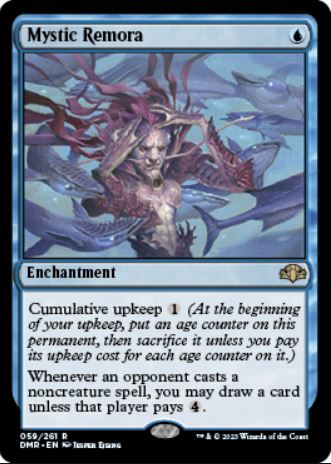
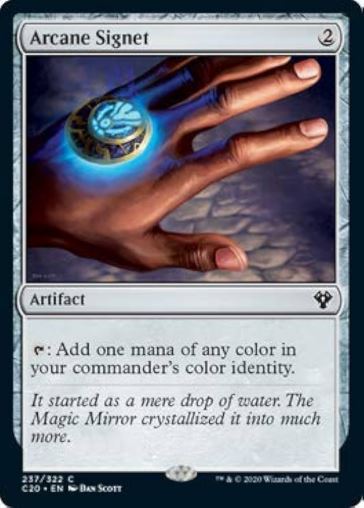
And finally, you need to manage the risks deliberately. Speed doesn’t excuse overextension, and the life loss adds up if the game goes long or if your deck already pays life elsewhere:
- Avoiding unnecessary overcommitment into wipes like Farewell
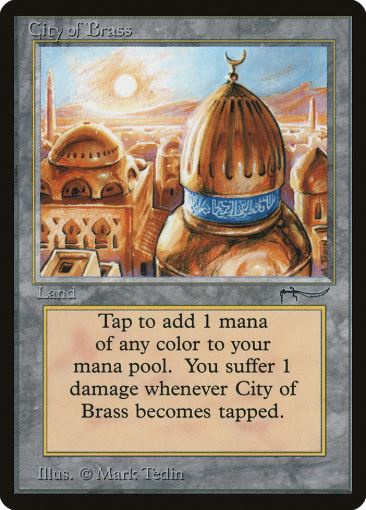
- Tracking how much life you’re spending if you’re also running cards like City of Brass or Bolas’s Citadel
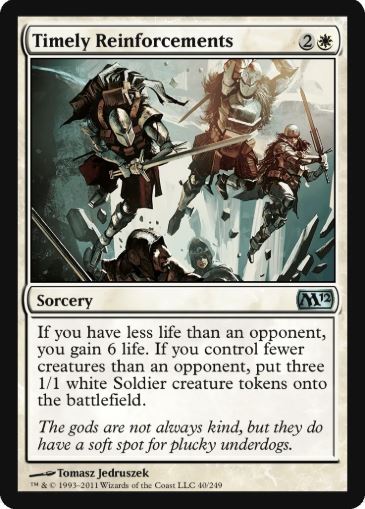
- Pairing the land with incidental lifegain or mitigation from cards like Shadowspear or Timely Reinforcements if your deck needs the buffer
As with any of these game changer cards, Ancient Tomb becomes genuinely powerful when your deck around it. In this case, we’re looking at decks that are built to convert early mana into early inevitability. The card doesn’t need synergy pieces in the traditional sense; it needs cards that reward being cast ahead of schedule. These are the shells where the land stops being “a bit of fast mana” and becomes a structural advantage engine.
Now that we know that the card is strong, and we’ve considered how to play it, how do we play against it? You don’t counter Ancient Tomb by interacting with the land; there aren’t a lot of ways to do that in civilised decs. You can counter it instead by attacking the tempo advantage it creates. The land itself is almost untouchable, so the only meaningful plan is to disrupt what the extra mana enables.
The most reliable approach is to shut off the early mana rocks that Ancient Tomb accelerates into. If you stop the follow‑up, the land becomes far less threatening:
- Collector Ouphe and Null Rod blanking fast mana
- Stony Silence in white shells
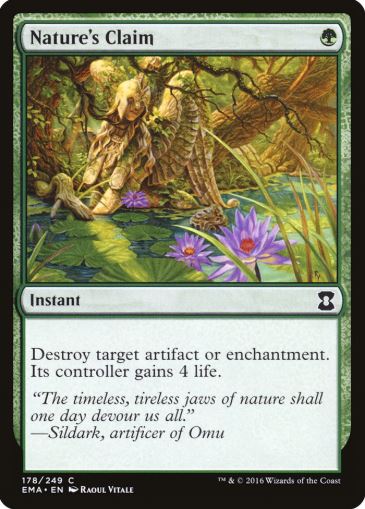
- Force of Vigor or Nature’s Claim hitting early rocks
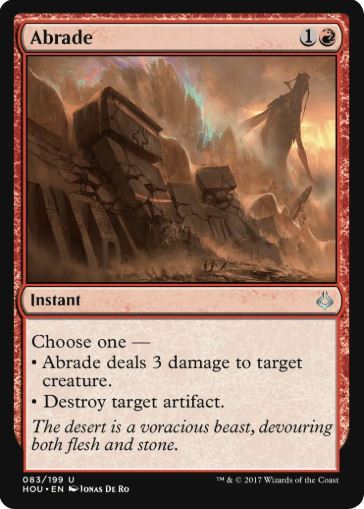
- Abrade or Vandalblast cleaning up the board before the snowball starts
You can also slow the deck back down by taxing spells or limiting how much mana they can convert. These effects don’t touch the land, but they neutralise the advantage it creates:
- Damping Sphere punishing multiple spells or big mana
- Thalia, Guardian of Thraben taxing noncreature lines
- Archon of Emeria forcing one‑spell turns
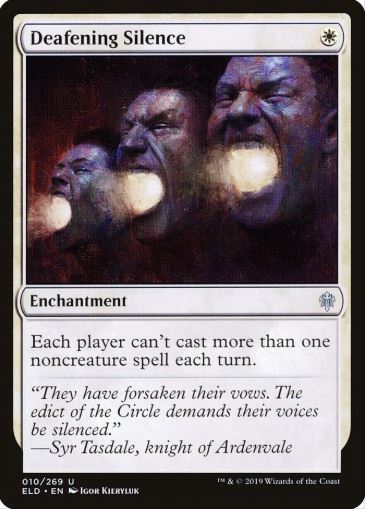
- Deafening Silence shutting down explosive starts
Another angle is to punish the life loss. Ancient Tomb decks often spend life aggressively, especially if they’re also running cards like The One Ring, or fetch‑shock manabases. Turning that into a liability forces them to slow down:
- Early aggression from creatures like Ragavan or Esper Sentinel
- Chip damage from Kessig Flamebreather‑style effects
- Pressure from commanders that reward attacking early
And if your meta tolerates it, targeted land disruption can reset the advantage entirely, but this is table‑dependent and should be used sparingly:
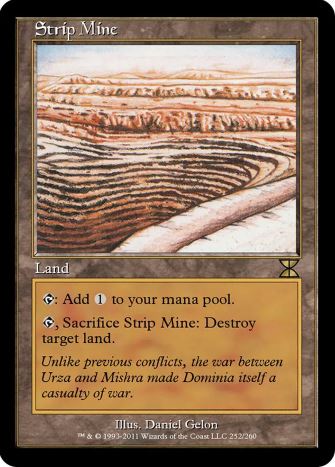
- Strip Mine or Wasteland
- Field of Ruin in slower pods
- Alpine Moon or Blood Moon in metas where colourless lands are common
Ancient Tomb is not a card that can win games by itself, and it doesn’t need to. Its strength lies in how quietly it changes the opening turns, giving you a head start that most decks can’t naturally match. When you build to use that acceleration, the card becomes a structural advantage that shapes the whole table without ever really drawing attention to itself. If you respect what those two early mana can do, Ancient Tomb becomes one of the most reliable ways to dictate the pace of a Commander game.
If you’re looking for MTG singles, please consider using our Big Orbit Cards affiliate link to find your cards whilst also supporting our site.
 No Rerolls