
Commander is a format built on big plays, splashy spells, and the unspoken agreement that everyone gets to do something before the game ends. But there are cards that take that agreement and set it on fire. These aren’t the strongest cards in the format, or even the most efficient. They’re the ones that trigger a full‑body reaction the moment they hit the stack. The ones that turn a friendly pod into a tribunal. The ones that make people sit forward, narrow their eyes, and say, “Really?”
I suppose we could call them mood changers…
Hullbreacher
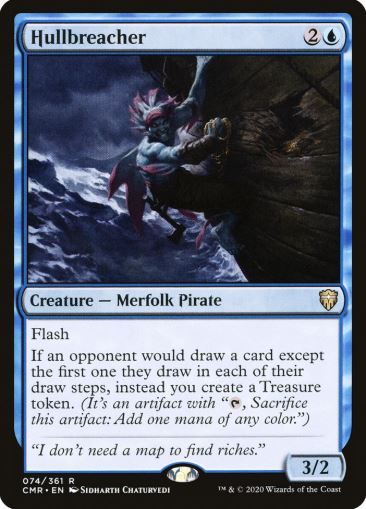
Hullbreacher didn’t just stop card draw; it weaponised it. The moment it hit the table, every “draw X” effect became a personal humiliation ritual. Players weren’t just denied resources; they were forced to watch you profit from their attempts to play the game. Even now, long after the ban, the memory lingers. Blue mana up, three cards in hand, and suddenly everyone is side‑eyeing you like you’re about to commit a war crime. Hullbreacher didn’t break Commander mechanically, but it did break trust.
Opposition Agent
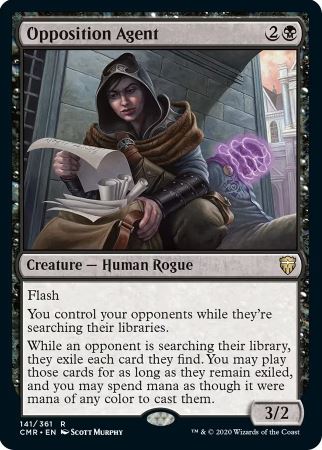
Opposition Agent is the modern equivalent of flipping the table without touching it. Tutors are supposed to be reliable, controlled, and safe. Opposition Agent turns them into a jump scare. You go to fetch a land, and suddenly your opponent is rummaging through your deck like they own the place. It’s not the efficiency that enrages people — it’s the theft of agency. Commander players will forgive a combo kill before they forgive you turning their Demonic Tutor into your Demonic Tutor.
Drannith Magistrate
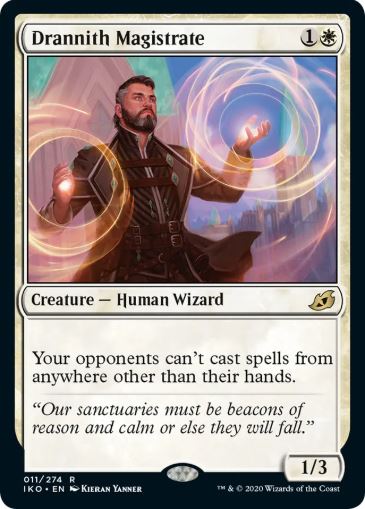
Drannith Magistrate is the most emotionally charged two‑drop in the format. It stops your commander, which means it stops the thing you built your entire deck around. It’s the cardboard equivalent of someone taking your dice and saying you can have them back when you’ve “earned it.” The rage isn’t just about power level; it’s really about identity. Commander players will tolerate a lot, but they will not tolerate being told they can’t play their own commander.
Stasis
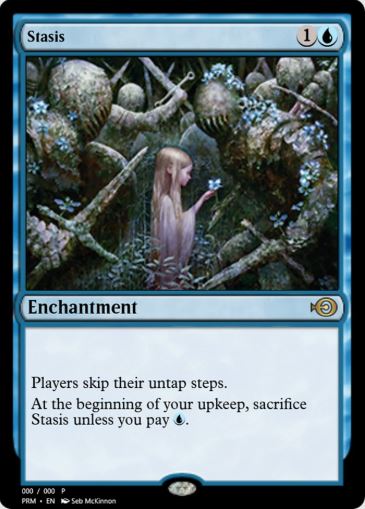
Some people consider Stasis to be a card. I think it’s a hostage situation. It doesn’t win the game, it doesn’t advance your board, and it doesn’t create tension. It just freezes the table in place and dares someone to find an answer before they lose the will to live. Even players who enjoy control strategies look at Stasis and quietly reconsider their life choices. The rage it generates isn’t loud; it’s weary, resigned, and deeply personal. Stasis doesn’t stop the game; it stops the fun.
Armageddon
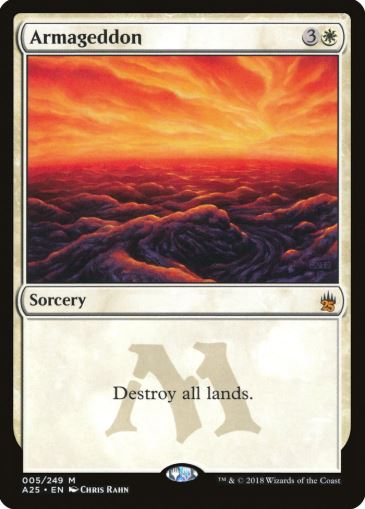
Armageddon isn’t hated because it’s strong. It’s hated because it erases time. Like other cards in this list, tt doesn’t advance your board, it doesn’t secure a win, and it doesn’t create tension; it just deletes the last twenty minutes of gameplay and asks everyone to start again. Even players who enjoy stax strategies will quietly wince when it resolves. The rage isn’t about losing lands; it’s about losing momentum. Armageddon doesn’t punish greed. It punishes optimism.
Just. Don’t.
Winter Orb
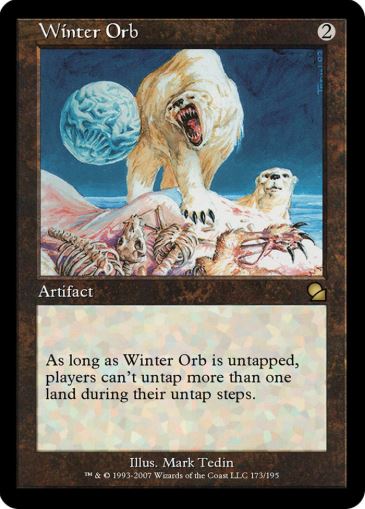
Winter Orb is the slow bleed of Commander. It doesn’t lock the table outright; it just makes every turn feel like wading through syrup. You’re technically still playing the game, but the game has become a chore. The table’s mood shifts from lively to lethargic in a single upkeep. Winter Orb doesn’t enrage people immediately; it wears them down until they’re angry at the experience rather than the card. It’s a grindstone.
Thassa’s Oracle

Thassa’s Oracle isn’t despised because it’s unfair. It’s despised because it ends games with the emotional impact of a dropped spoon. No buildup, no drama, no table politics, just a blue creature entering the battlefield and declaring the story over. Commander players love big finishes, even when they lose. Oracle denies them that. It’s the difference between a finale and a technicality, and people don’t gather around a table for technicalities.
Cyclonic Rift
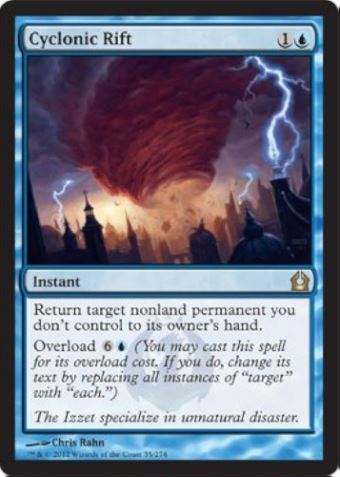
Cyclonic Rift is the most demoralising “fair” card ever printed. It doesn’t kill anyone or win the game on the spot. It just resets everyone except you, and it does it at instant speed, right when the table feels like it’s finally getting somewhere. The rage is all about emotional timing. Rift punishes the moment people start having fun. It’s the spell equivalent of flipping the Monopoly board because someone else built a hotel. I’m not above this sentiment.
Vorinclex, Voice of Hunger
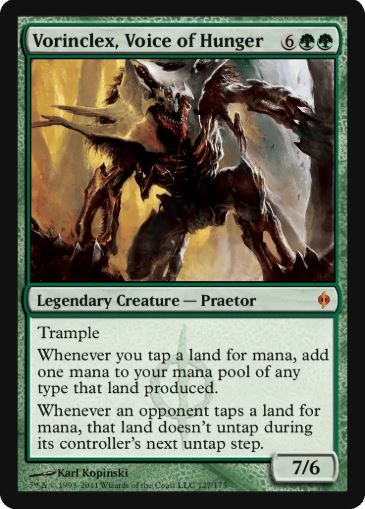
I feel that Vorinclex tries to create advantage, but mostly just creates resentment. Doubling your mana is strong, but the real fury comes from the other half of the text: turning every opposing land into a liability. Players don’t just fall behind; they fall behind twice as fast, and they know exactly who to blame. Vorinclex might not win the game, but it’s always sure to win the table’s collective ire.
Tergrid, God of Fright
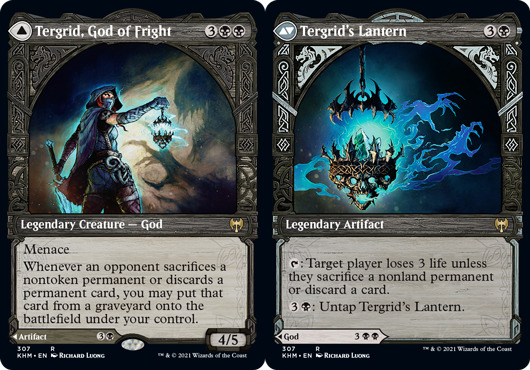
Tergrid is the patron saint of “I’m not doing anything unfair, you’re just discarding.” Every symmetrical effect becomes a mugging. Every sacrifice becomes a donation. Every wheel becomes a smash‑and‑grab. Tergrid feels like theft with paperwork. The rage isn’t about losing permanents; it’s about watching someone else gain them with a smile. Tergrid simply seems to punish participation.
Final Thoughts
These cards aren’t the strongest in Commander, and they’re not the most efficient. They’re the ones that hit the table and immediately change the atmosphere. They deny agency, erase progress, or twist symmetrical effects into one‑sided beatings. Commander is a social format first and a strategic one second, and these cards violate that order. They fundamentally alter the emotional state of the people playing it.
Play them if you want; just don’t pretend you’re surprised by the reaction.
If you’re looking for MTG or Pokémon singles, please consider using our Big Orbit Cards affiliate link to find your cards whilst also supporting our site.
 No Rerolls