

Welcome to the 2nd episode of the 3rd dimension, this week I shall talk about resin used in 3d printing. I get into the weeds a little bit on this, but maybe you can learn something from my trial and error!
Resin printing brings a much higher quality print to the tabletop by turning liquid resin. There are many brands and colours of liquid resin and even some specially designed for the new 8k printers! Some resins such as specialist or darker coloured need to be treated differently in your printer’s settings. I tend to stick with Elegoo ABS-like grey resin, the brand doesn’t make much difference from what I’ve found and it usually comes down to any sales or whichever is cheapest. It’s usually only a few £ of difference between brands.

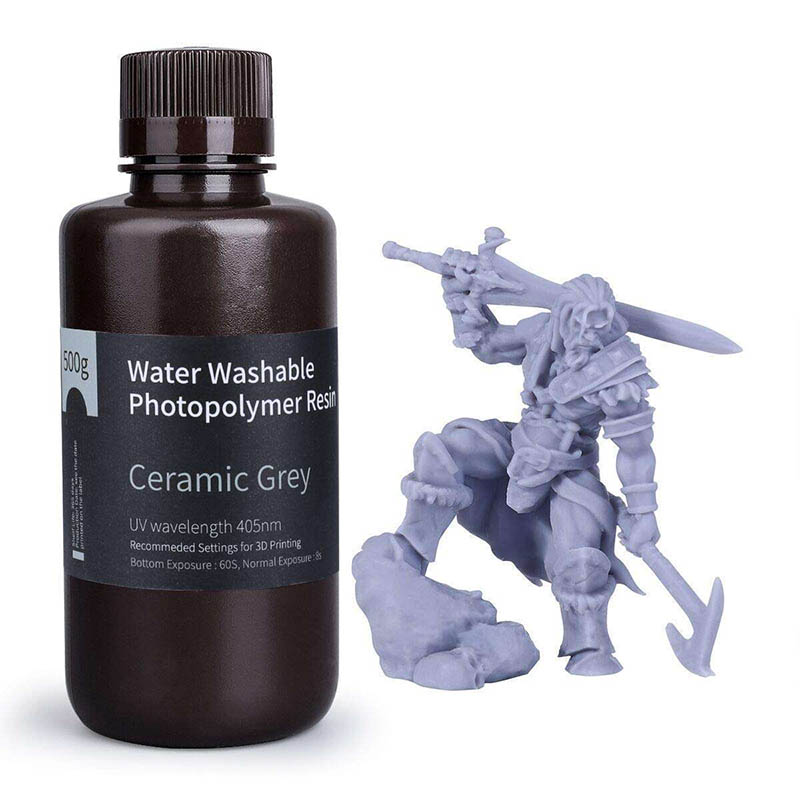

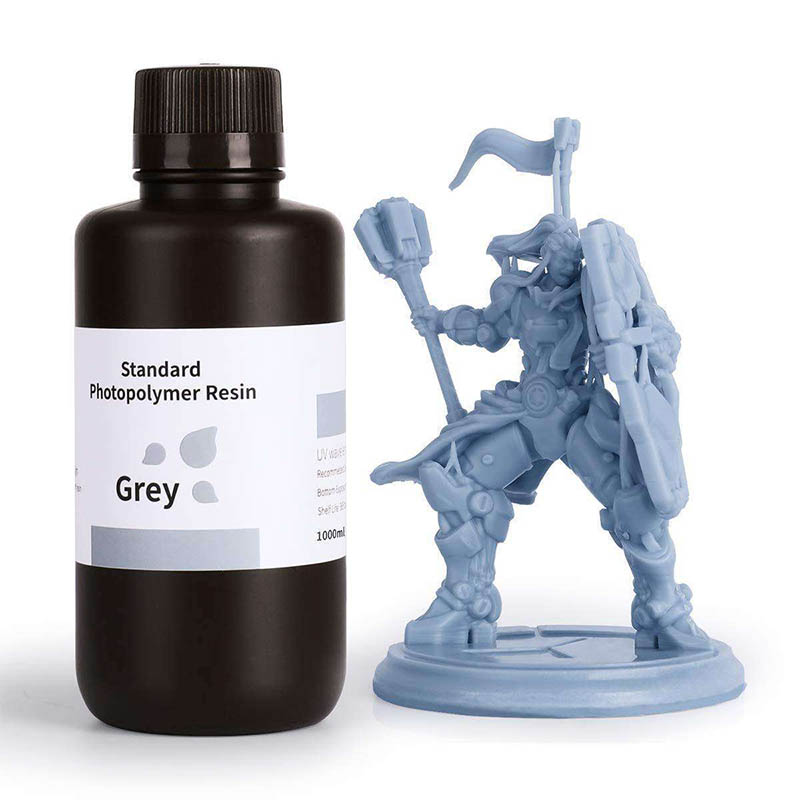
I shall explain why I use the ABS type of resin:
when starting the process of 3D printing a few years ago I started with the water-washable resin, which saves on buying isopropyl alcohol to clean any prints before being cured by UV light. However, the downside of using the water-washable resin was that it is particularly brittle and easy to break or have accidents when cleaning with a toothbrush.
Although water-washable, don’t take this to mean safe. Be mindful of your waste using this stuff as it is still a hazardous chemical and it’s not recommended to be put down the drain. Instead, consider storing your waste in a separate container so it can cure and go hard and be disposed of in general waste.
I then decided to buy the regular resin available and buy a bottle of isopropyl to clean the prints. The quality of the prints didn’t change as that’s affected more by your printer settings, but they weren’t as brittle which was a benefit. It worked for a few months with only minor accidents or breaking that I could hide or repair with superglue or pinning. Very fine details and thinner pieces were still struggling to keep together or print altogether. This was partly down to settings but the broken pieces was the resin itself.
I had to find a solution and it came down to ABS-like resin which has similar properties as the previous resin but was much more durable. I’ve yet to physically break a print and being surprised in the flexibility it allows for the thinner prints; something they didn’t have previously. I’d recommend this resin highly if your prints will be on a tabletop or handled a lot, which makes it ideal and SHOULD be the resin sellers are using in my opinion.
So what have I done this week you ask? Not a lot, actually. I was meant to be escorting Santa around the streets of my town but was derailed due to the snow and ice we’ve been experiencing. I did manage another part of the dragon but duplicated the wing, 🤦♂️ so this dragon has 3 wings now. Which is fine; it will give me a test piece for painting the colour scheme that the customer wants. I done a bit of highlighting on my victrix guard giving there blue some extra color and another cost of white so its super smooth and crisp looking before I drybrush some browns over the minis.
With Christmas coming up I’ll have a break from it so I can spend time with the kids and get some more models finished for my Warhammer 40K army.
I wish everyone a merry Christmas and hope Santa is good to you all!
 No Rerolls
Nice article. Someday I might pull the trigger on a 3D printer and this would be good info to have. Also, it’s handy to know as I notice differences in 3D printed materials I’ve found online. Now I can possibly check with them beforehand on what type of resin they are printing with.
LikeLike