

In a world that often feels overwhelming and fast-paced, it’s crucial to find activities that support mental health and provide avenues for meaningful connections. Enter tabletop role-playing games (RPGs), a captivating form of entertainment that offers far more than just escapism. This is the first post in what I expect to be 5-part series. In this installment, we will explore the fundamentals of tabletop RPGs and how they can positively impact mental well-being.
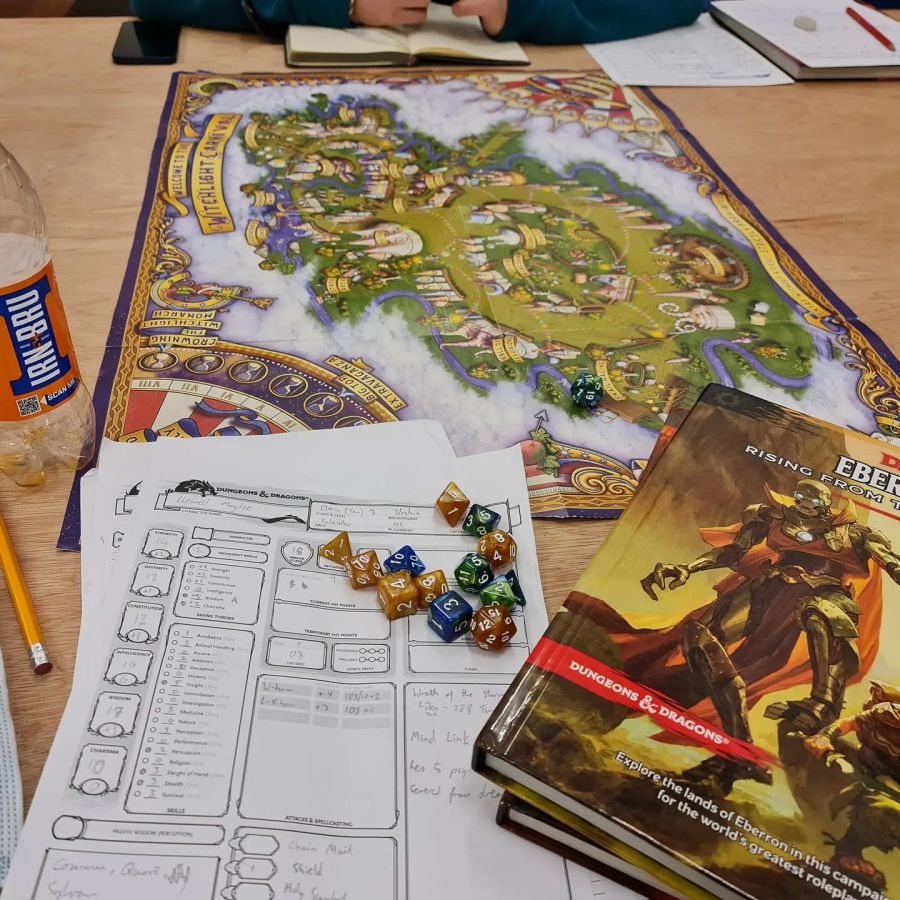
The 5 parts I currently have planned are:
- An Introduction (you are here!)
- The Therapeutic Benefits of RPGs
- Community and Connection
- Game Mastering and Emotional Wellbeing
- Incorporating Self-Care into RPG Sessions
I suppose our starting point needs to be the question; what are Tabletop RPGs?
Tabletop RPGs are collaborative games where players take on the roles of fictional characters in a shared imaginary world. Led by a Game Master (GM), who acts as the storyteller and referee, players navigate adventures, solve challenges, and interact with a dynamic narrative. Unlike video games, tabletop RPGs rely on imagination, conversation, and the roll of dice to determine outcomes.
4 major benefits of tabletop RPGS in the context mental health are:
- Escaping into an empowering fantasy
- Developing problem-solving skills
- Emotional expression and exploraion
- Community and supportive connections
Let’s spend some time exploring these concepts.
Escaping into an Empowering Fantasy: One of the defining aspects of tabletop RPGs is their ability to transport players to fantastical worlds where they can embody different identities and explore endless possibilities. This escapism can be a powerful tool for nurturing mental health. Engaging in a fictional setting allows players to temporarily detach from their real-life concerns and immerse themselves in a story where they have agency, control, and the ability to overcome obstacles.
Developing Problem-Solving Skills: Tabletop RPGs often require creative problem-solving and critical thinking. Players face challenges that demand strategic decision-making and teamwork to overcome. By navigating these scenarios, players develop problem-solving skills that can be transferred to real-life situations. The sense of accomplishment that comes from successfully solving in-game puzzles or outsmarting adversaries can boost confidence and foster a positive mindset.
Emotional Expression and Exploration: Tabletop RPGs provide a unique opportunity for emotional expression and exploration. Through their fictional characters, players can experience a range of emotions, confront personal fears, and grapple with complex moral dilemmas. This emotional engagement can serve as a cathartic outlet, allowing players to process their own emotions and gain insights into their thoughts and behaviors.
Community and Supportive Connections: While tabletop RPGs can be played solo, they truly shine when played with others. Gathering around a table with friends, family, or a local gaming group creates a sense of community and fosters connections. In these shared experiences, players build relationships, deepen friendships, and form supportive networks. The collaborative nature of tabletop RPGs encourages communication, teamwork, and empathy, providing a safe space for social interaction and combatting feelings of isolation.
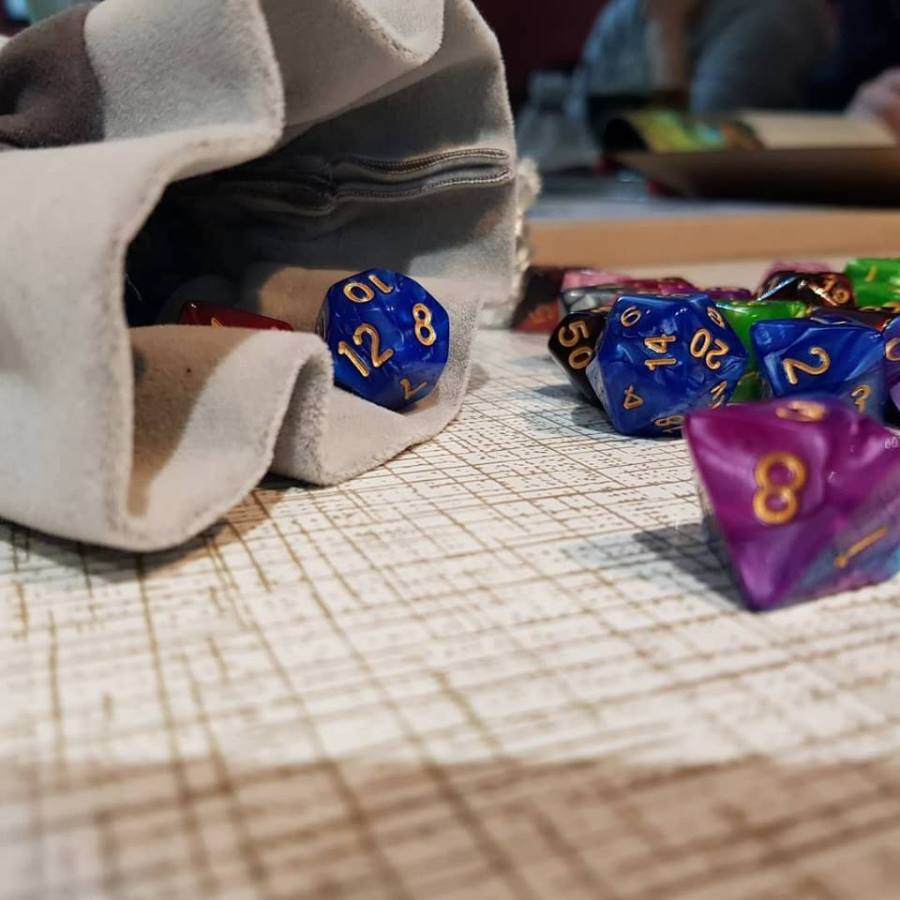
Tabletop RPGs offer more than just entertainment in that they foster and scaffold meaningful interactions and exercise our creativity and problem-solving skills in safe environments. These games provide a holistic experience that positively impacts players’ well-being. In the next part of our series, we will delve deeper into the therapeutic benefits of tabletop RPGs, exploring how they can be utilised as a tool for coping with stress, anxiety, and depression. Join us as we continue our journey into the transformative world of tabletop RPGs and mental health.
 No Rerolls
A good start. Familiar to veterans, but then it’s supposed to be an introduction for the uninitiated. Looking forward to seeing the follow-up posts. 🙂
LikeLike
Thanks. Given that I wanted to series to be accessible, I felt I needed to start from the basics on the ‘what is an RPG’ front.
The remaining 4 posts are scheduled for Saturdays.
LikeLiked by 1 person
Absolutely – makes perfect sense. 🙂 See you then (or before!)
LikeLike