
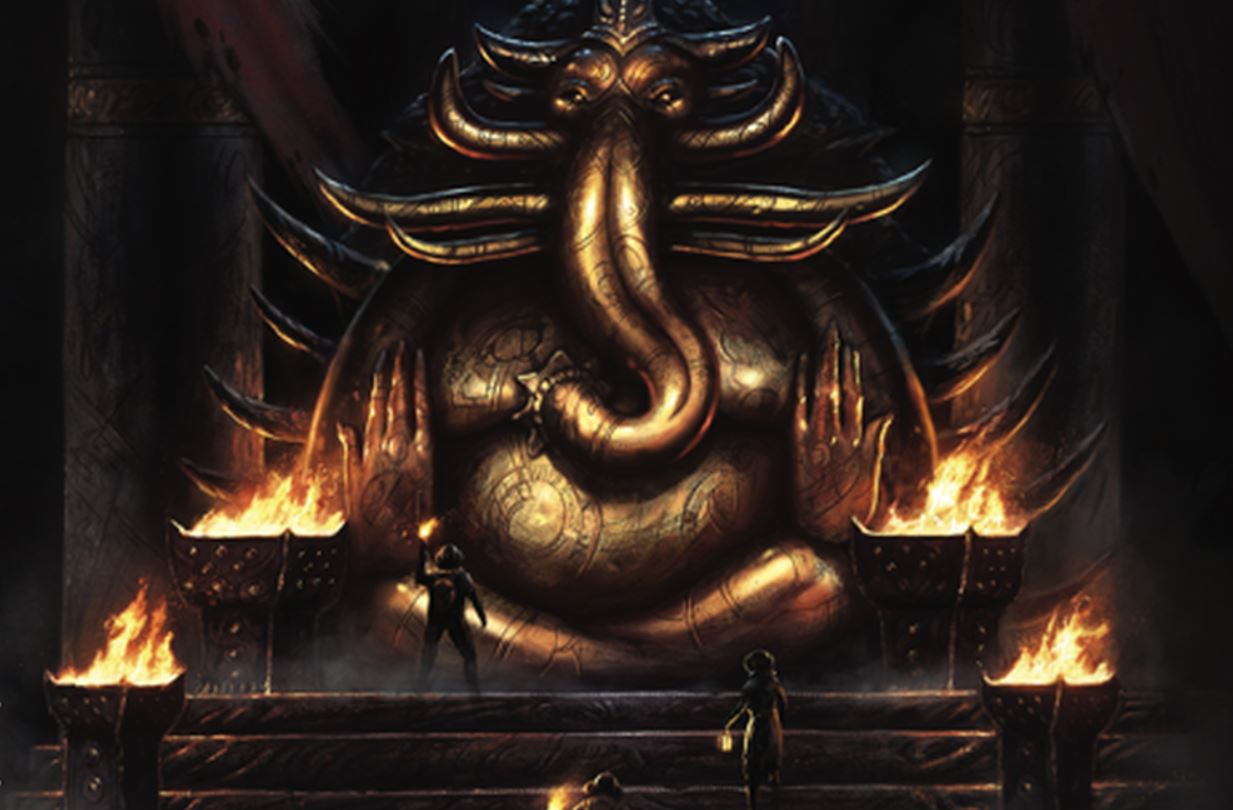
Call of Cthulhu is a long-established roleplaying game that has been around for 1981, making it even older than me. Developed by Sandy Petersen and published by Chaosium, the game is based on the works of H.P. Lovecraft and the Cthulhu Mythos. The original edition introduced players to a world of cosmic horror, where they took on the roles of investigators uncovering eldritch mysteries and facing unimaginable terrors.
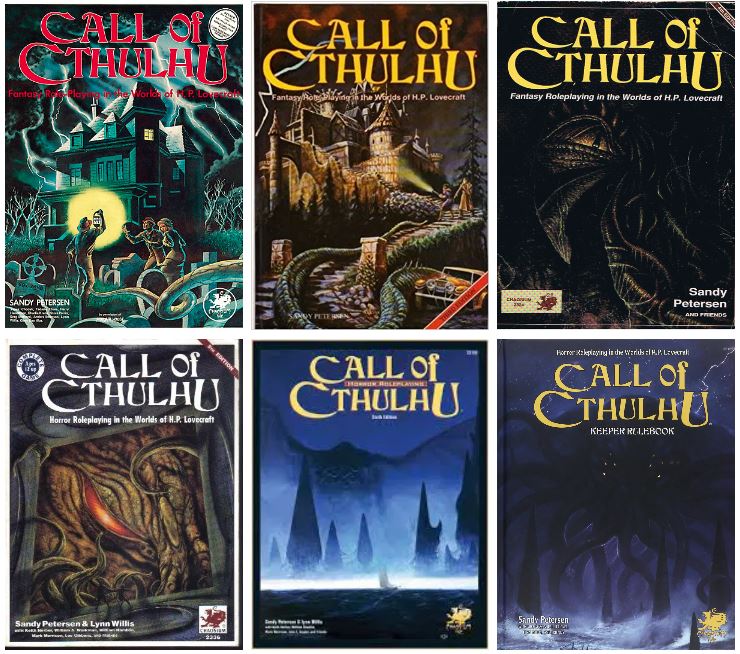
The first edition of Call of Cthulhu was groundbreaking for its time, utilising Chaosium’s Basic Role-Playing (BRP) system. This system was skill-based, allowing for a more flexible and realistic approach to character development compared to the level-based systems prevalent in other RPGs. The game quickly gained a dedicated following, praised for its unique focus on horror and investigation rather than combat. You know that we love our investigative play!
Over the years, Call of Cthulhu has seen numerous editions and expansions. Each new edition did not massively change the game, but have introduced small, gradual refinements of the rules and expanded the game’s lore. Notable supplements include Cthulhu by Gaslight, which transports players to Victorian England, and Delta Green (now a standalone game), which brings the horror into a modern-day setting with a focus on government conspiracies. These expansions have allowed players to explore the Cthulhu Mythos in various historical and contemporary contexts.
The 7th edition, released in 2014, represents the most significant update to the game since its inception. Developed by Mike Mason and Paul Fricker, this edition introduced several key changes to streamline gameplay and enhance the horror experience. The core mechanics were overhauled, including the introduction of the bonus/penalty dice system and the ability to “push” rolls. These changes have been well-received, making the game more accessible to new players while retaining the depth that long-time fans appreciate.
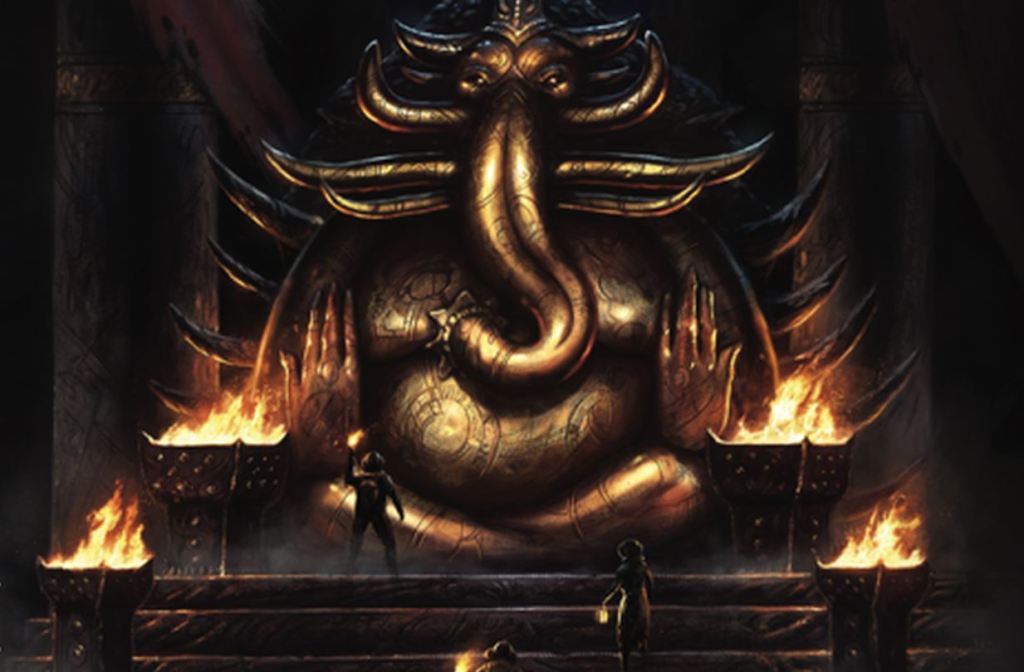
The game is set primarily in the 1920s; a period often referred to as the “Roaring Twenties.” This era provides a fascinating backdrop for the game’s blend of horror and mystery, characterised by significant social, cultural, and technological changes.
The 1920s setting is meticulously crafted, capturing the essence of the era with its distinctive fashion, architecture, and societal norms. This period saw the rise of jazz music, Prohibition in the United States, and significant advancements in technology and transportation. The game leverages these historical elements to create a vivid and authentic world for players to explore.
Of course, the setting is heavily influenced by the works of H.P. Lovecraft, whose stories often take place in the fictional towns of Arkham, Innsmouth, and Dunwich in New England. These locations are steeped in mystery and dread, with dark secrets lurking beneath their seemingly mundane surfaces. The game’s setting captures the soul of Lovecraft’s cosmic horror, where the mundane and the supernatural intersect in unsettling ways.
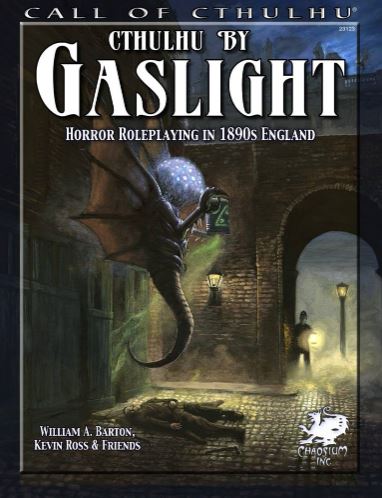
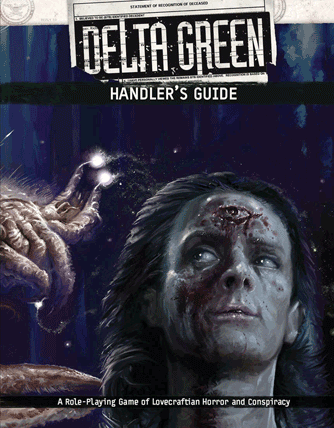
While the core setting is the 1920s, Call of Cthulhu also offers the flexibility to explore different times and places. Supplements like Cthulhu by Gaslight transport players to Victorian England, while Delta Green (now a standalone game published by Arc Dream Publishing) brings the horror into a modern-day context. This global and temporal scope allows Keepers to craft diverse and unique campaigns, covering settings from ancient civilisations to futuristic dystopias.
Central to the setting are the ancient and malevolent entities of the Cthulhu Mythos. These beings, such as Cthulhu, Nyarlathotep, and Yog-Sothoth, exist beyond human comprehension and pose existential threats to humanity. The game world is filled with cults, forbidden tomes, and hidden artifacts, all tied to these eldritch horrors. Investigators must navigate this treacherous landscape, uncovering clues and piecing together the truth behind the mythos.
The setting(s) of Call of Cthulhu is diverse, encompassing both urban and rural environments; and I really enjoy campaigns than explore both to some extent. Players might find themselves investigating eerie happenings in bustling cities like New York or Boston, or exploring the desolate and haunted countryside of New England. Each location is richly detailed, with its own unique atmosphere and challenges.
The game places a strong emphasis on historical accuracy and detail, providing players with a believable and immersive experience. From period-appropriate technology and transportation to the social and cultural norms of the time, the setting is designed to feel authentic and engaging. This attention to detail enhances the horror elements, grounding the supernatural in a realistic and relatable world.
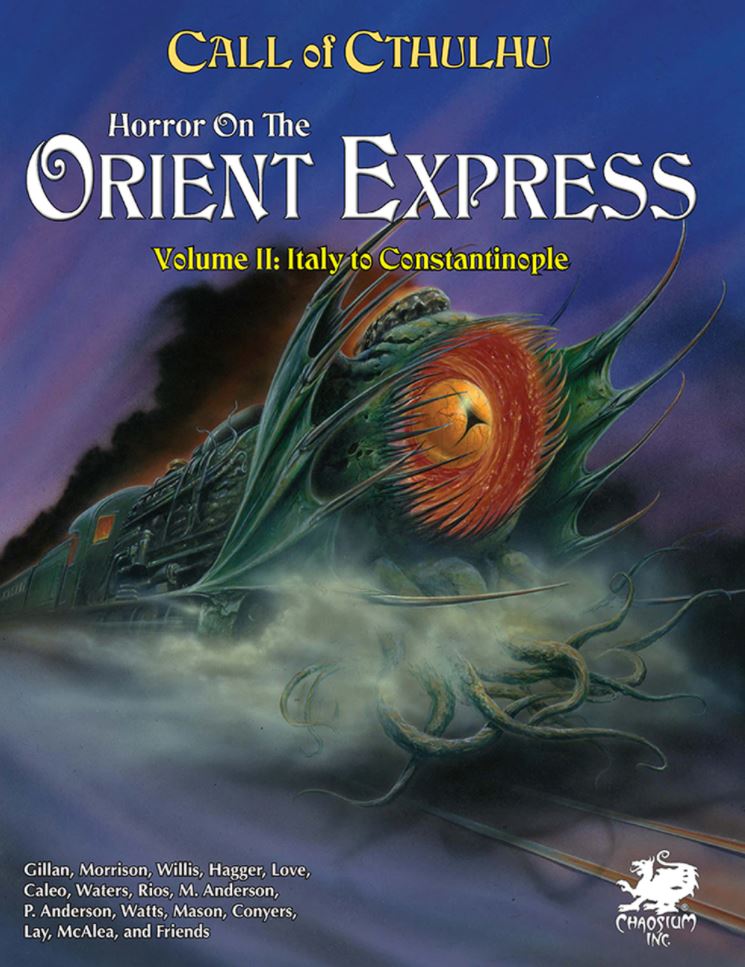
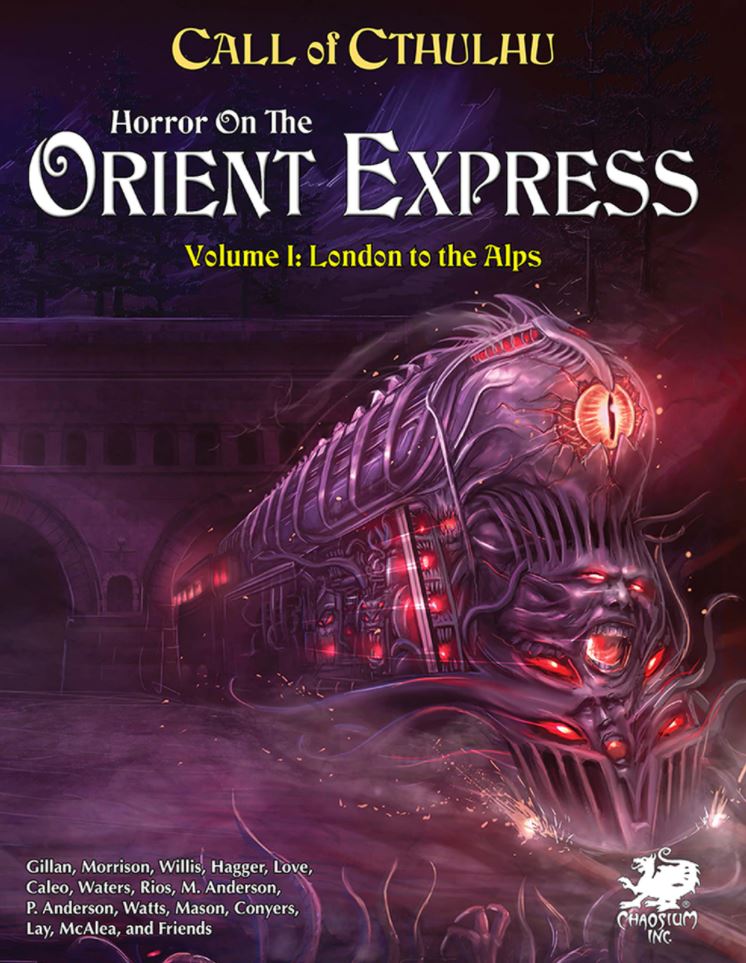
The core rules for this edition of Call of Cthulhu are found in two main volumes: the Keeper’s Guide and the Investigator’s Handbook. The Keeper’s Guide contains all of the rules and is essential for running the game, while the Investigator’s Handbook provides only the sections of that book that are relevant to players, including the character creation options, basic rules, and historical context.
The 7th edition of Call of Cthulhu features a robust and intuitive set of mechanics. At the core of Call of Cthulhu is a percentile system, where players roll a pair of ten-sided dice (d100) to determine the outcome of actions. Each character skill is represented as a percentage, and players must roll equal to or below their skill level to succeed, with lower rolls incurring additional degrees of success. This system, once you get into it, is straightforward and easy to grasp.
This edition also introduced the bonus/penalty dice mechanic to add variability and excitement to skill checks. When circumstances are particularly favourable or unfavourable, the Keeper (game master) may grant a bonus or penalty die. This involves rolling an additional ten-sided die and choosing the more advantageous or disadvantageous result, respectively. This mechanic adds an extra strategic layer to the game, as players must more fully weigh the risks and benefits of their actions.
Another significant addition in 7th edition is the ability to “push” rolls. If a player fails a skill check, they can choose to push the roll, attempting it again with the potential for greater success or more severe consequences. This mechanic heightens the tension and stakes, as players must decide whether the risk is worth the potential reward. I must say; I have yet to succeed in one of these push rolls, but don’t let my cursed dice put you off!
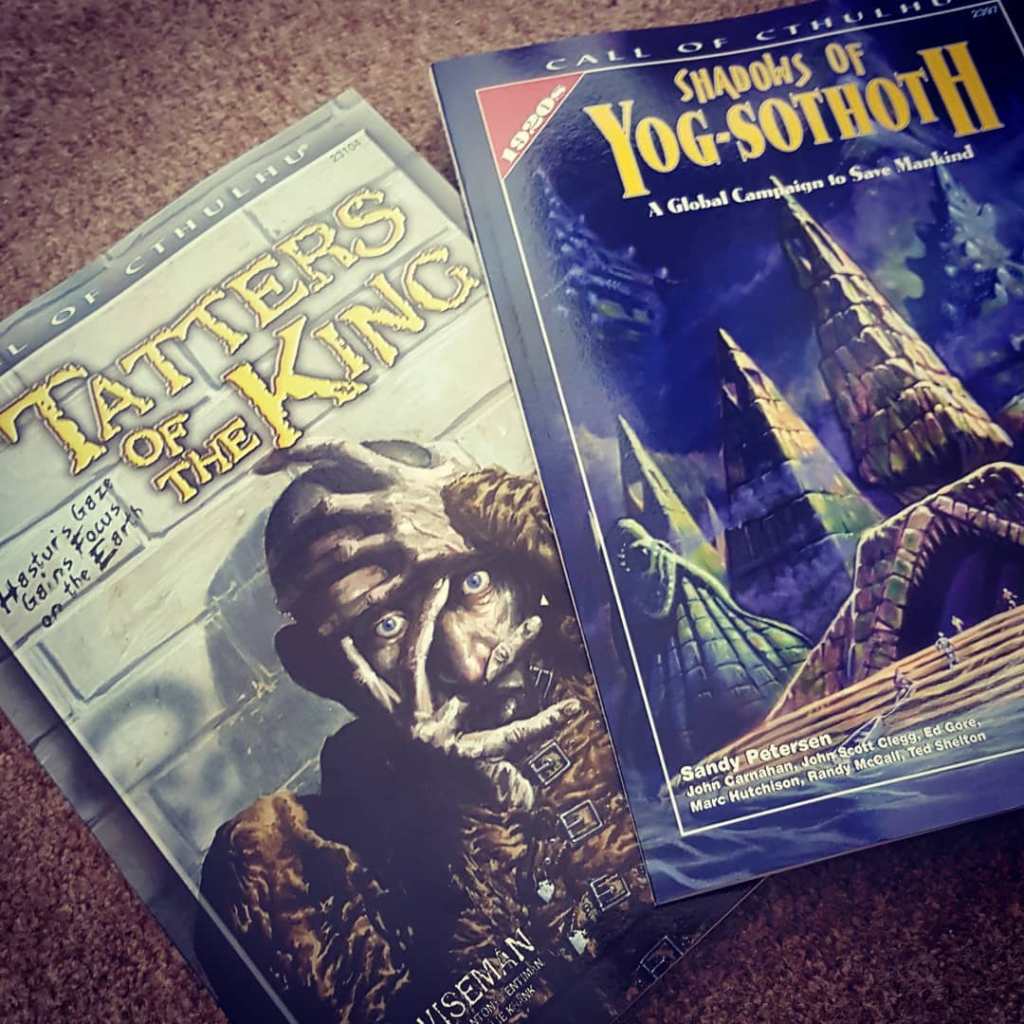
A hallmark of Call of Cthulhu is its focus on psychological horror, reflected in the sanity mechanic. Characters have a sanity score that represents their mental stability. Encounters with the supernatural or traumatic events can cause sanity loss, leading to temporary or permanent insanity. This mechanic is central to the game’s horror experience, as players must manage their characters’ mental health while facing eldritch horrors.
While Call of Cthulhu emphasises investigation and horror over combat, it does include rules for physical confrontations. Combat is deadly and realistic, with a focus on quick and decisive encounters. Damage is calculated using a combination of weapon stats and character attributes, and injuries can have lasting effects on characters.
Character creation and development are detailed and flexible. Players can choose from a variety of professions and backgrounds, each with unique skills and abilities. As characters gain experience, they can improve their skills and develop new ones, allowing for deep customisation and growth over the course of a campaign.
The Keeper, or game master, plays a crucial role in Call of Cthulhu. They are responsible for creating the narrative, controlling non-player characters, and managing the game’s mechanics. The Keeper’s Guide provides extensive resources and advice for running the game, ensuring that the horror and mystery elements are effectively conveyed.
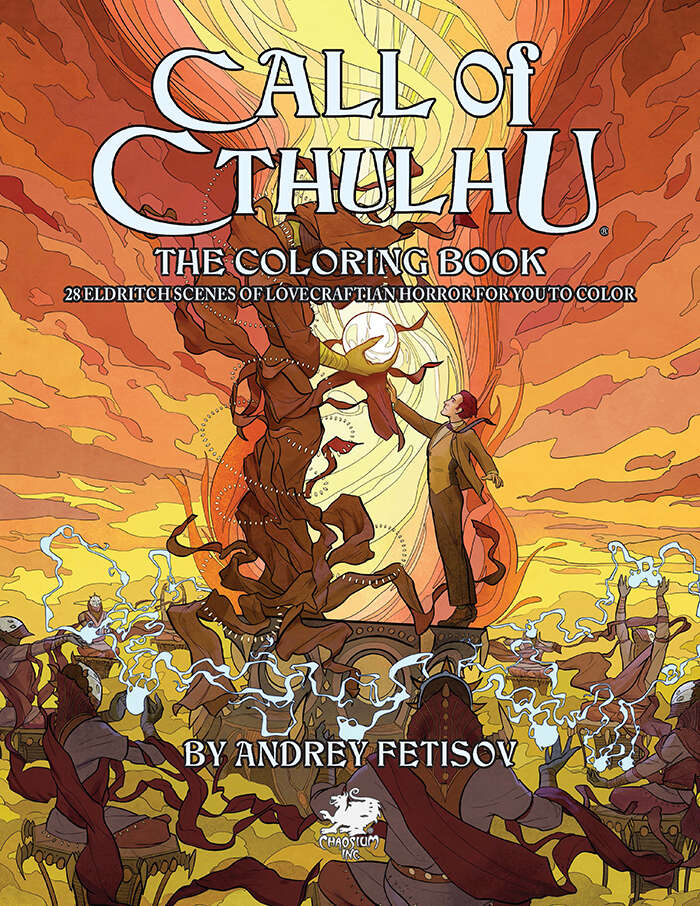

Interesting, Call of Cthulhu is actually one of the few RPGs that I have played, but have never ran as GM. In recent years, I’ve played with two separate GMs, each with quite different styles.
Our local GM is quite understated, maintaining a slow, steady pace to the one-shot adventures he’s run. I really enjoyed his games for his good use of pacing, easy-going table, and quiet, creeping horror. I’ve not played with him in a while, but am keen to do so again!
The other GM is from Germany, and I play with him in an online group over Discord. I actually spent a weekend in September playing a series of sessions with his group. Those sessions are what prompted me to make this out game of the month. He’s very good at making sure that players feel that decisions matter. He’s able to quietly imbue decisions with real weight. He also has a playfulness that I really appreciate.
Call of Cthulhu is a game with a very wide scope, accessible rules, and a proud pedigree. I really love the game, and I’d be keen to try running it myself, or even just getting in some more games as a player. It’s a very worthy recipient of our Game of Month for September 2024.
Affiliate Links:
Investigator’s Handbook:
Keeper’s Guide:
Starter Set:
 No Rerolls
21 Comments