
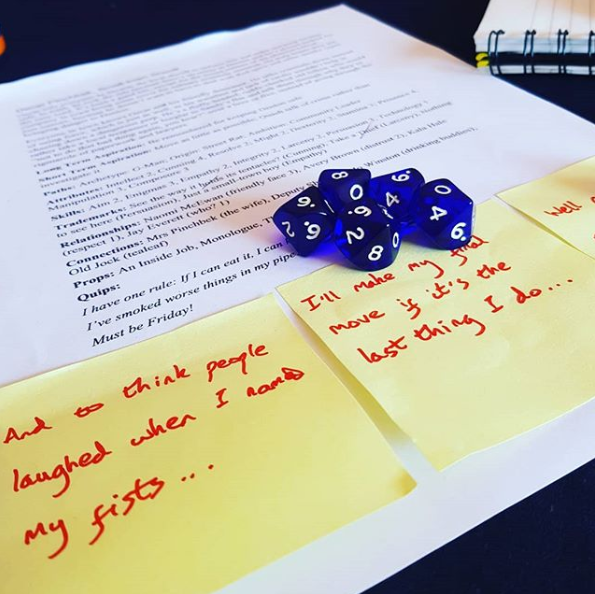
When it comes to pen-and-paper RPGs, dice pool systems stand head and shoulders above the rest. Oh, sure, your percentages are fine. Your D20s are dandy. Dice pool systems are where it’s at, though. I really feel that they offer a unique blend of accessibility, excitement, and narrative depth that makes them my top choice for roleplaying games. Here’s why:
First, flexibility and creativity. Dice pool systems allow for a more nuanced approach to character abilities and outcomes. Instead of relying on a single die roll to determine success or failure, you’re rolling multiple dice and counting successes. This system lets the game master tailor challenges and lets players use creative problem-solving to influence outcomes.
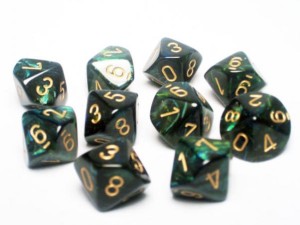
Second, the thrill of rolling. There’s nothing quite like scooping up a handful of dice for a skill at which your character is quite proficient, the weight of your fate literally in your hands, and letting them fly. That moment of anticipation as the dice clatter across the table is pure magic. Similarly, the fear of rolling just a single die or two for a less confident skillcheck is nerve-wracking! The physicality and drama of it make every roll an event.
Narrative richness is another key reason. With dice pool systems, degrees of success and failure can tell a much richer story. One success might mean you barely scraped by, while a handful of successes could mean you pulled off a spectacular feat. This granularity adds layers to the narrative and allows for more cinematic and engaging storytelling.
Then there’s the ease of entry for new players. With dice pool systems, especially those that use a uniform die type, like d6s or d10s, new players can jump in without needing to understand a plethora of different die types and rules. It simplifies the learning curve and gets everyone rolling – and playing – quicker.
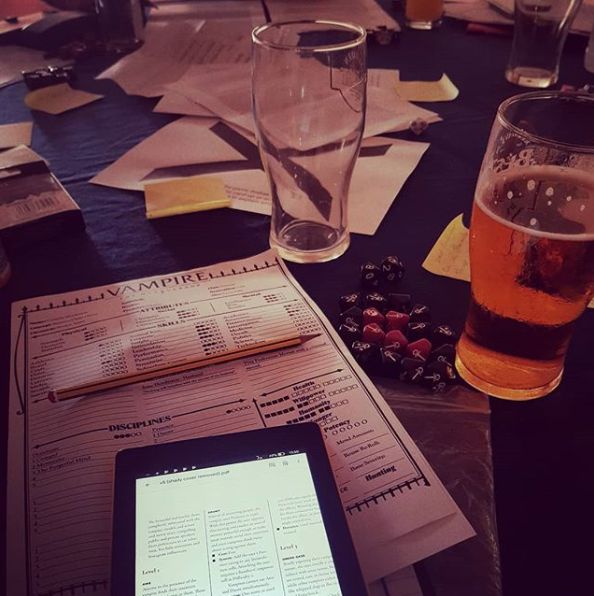
Finally, the sense of agency and control. By allowing players to pool and allocate their dice in various ways, these systems give players more ownership and more strategic choices. Depending on the system, you might be able to save some dice for later, take a risk with all your dice at once, or try to maximise your odds over several rolls. This sense of control can be very rewarding and gives players a deeper connection to their character’s actions and outcomes.
It’s known that I love games like Magic, Mutant year Zero, and similar games where dice systems are prevalent. it’s probably no surprise to long-time readers that this is my preferred method of play, but I like to celebrate things. let’s celebrate dice pools!
 No Rerolls
2 Comments