

I love my gaming group. The Northern Knights are fantastic—enthusiastic, open-minded, and always ready to roll the dice on something new. We play a diverse array of board games, dabble in miniatures, and generally embrace a broad spectrum of tabletop experiences.
But when it comes to RPGs, there’s a wall I just can’t seem to break through.
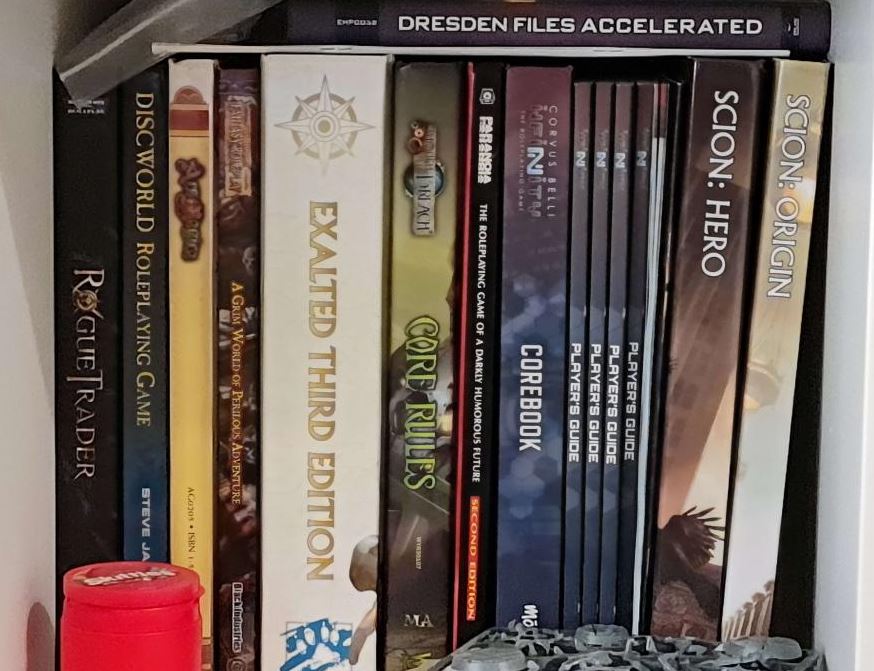
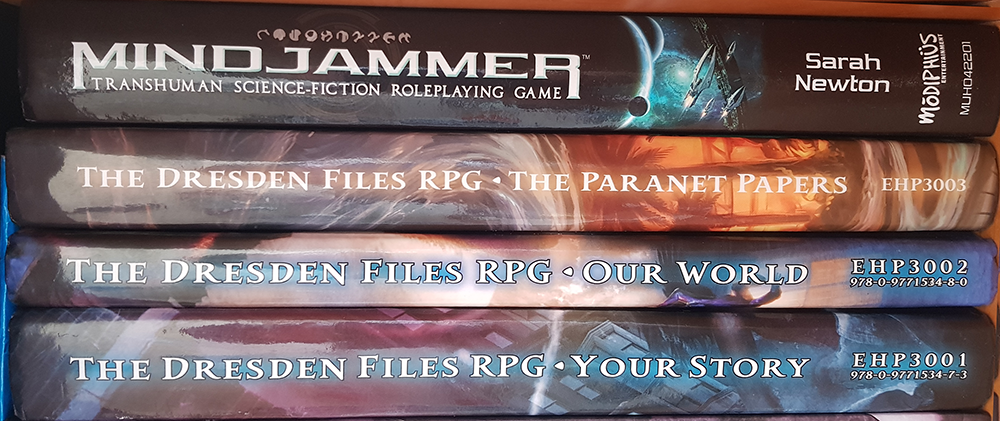
I want to play Vampire: The Masquerade. I want to dive into Changeling: The Lost, explore the world of Dresden Files, and experiment with systems beyond the well-worn paths. I want pulp, horror, and intrigue. There’s so much out there; rich, immersive worlds that promise deep storytelling, layered character development, and a completely different flavour than what I’m able to get.


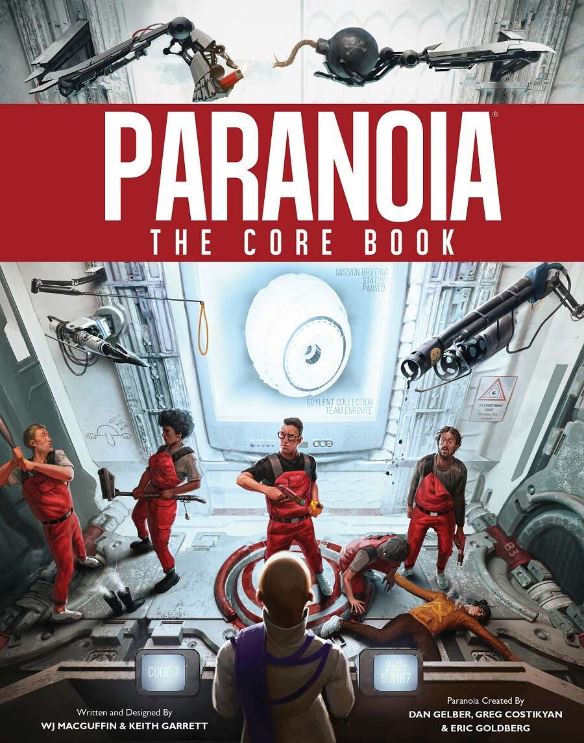
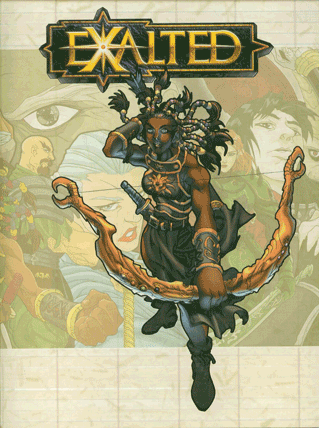
But no matter how much I long for these experiences, I keep hitting the same hurdle: Dungeons & Dragons defaultism.
Now, let’s be clear; I don’t hate D&D. It’s a classic, a titan of the RPG world, and I’ve had great adventures within its framework. But when it’s the only RPG that gets played regularly? When the occasional “alternative” feels more like an experiment than a commitment? That’s where frustration sets in.
I could play online. Technically, I do; I’ve got one irregular online group that I love. But for me, the magic of tabletop RPGs thrives in face-to-face interactions, in the energy of a room buzzing with ideas and spontaneous storytelling. I don’t want to settle for only virtual sessions. I would love a dedicated, engaged local RPG group.
The problem? It doesn’t seem like it’s happening.
It used to. We had one for a while, meeting in a hotel a few miles south. It was excellent. It’s long gone though, broken by the realities of life and the drift that just happens. That group is now scattered across the country for reasons of work, education, or other life changes.
Back to today, though. Is it me? If someone else was seeking players for these games, would they be more successful? Is it a matter of exposure? Do people stick to D&D because it’s what they know? Because it’s easy? Or because they genuinely don’t feel the pull toward something different? Is there a way to pitch games like Vampire or Changeling in a way that sparks interest in more than one or two potential players?
Or is it time to start looking beyond the Northern Knights?
I don’t want to give up on this. I want to play these games. And maybe (just maybe) there are others in my area feeling this same urge.
So, consider this post a call to arms, or at least a plea for counsel. If you are or have been in a similar position, what have you done? Have you successfully nudged your group toward broader RPG horizons? Do you have tips, strategies, or even war stories from your own battles for variety?
 No Rerolls
I only played D&D until ’89, but haven’t played D&D since. What followed was an explosion of new games to play. Some we focused on for long periods, and some we explored briefly and moved on from. When I am looking for in-person or online players, I find it helps to know what I am looking for and advertise for that. If there is a specific game that I want to play, I look for players for that game. If I am trying to build a stable group, then I advertise for roleplayers with an interest in trying RPGs. I think it is harder on average to know where to look for new players than recruiting them for a game. A lot of people try to use D&D as a foundation to build from or to vet new players, etc. but I think that statistics hint that this is the same as advertising specifically for D&D players. Change can be troublesome and it’s a bit like a false advertisement. You end up fighting attachment to characters and situations within a campaign, resistance to or fatigue from learning new ways, and mismatches of play and expectations for play the first time you propose a switch to a new system and if you cannot navigate around or through all of that, the group ends up being a D&D group. On the other side, and this has happened in my groups a few times, too many games with switching happening too often, also causes resistance and fatigue so some players will ask to stick with something that has been enjoyable for a longer period of time. Also, after a certain type of game or system is found to be less enjoyable than some of the others the group has tried, it can get harder to get consensus on trying to power through that decrease in satisfaction to the level of familiarity and understanding which might (just might) lead the group to enjoying a new game. I find within a group there is a sweet spot of systems, genres, and approaches to play which suit that group best and it represents an average of their interests, experience, and preferences (an alchemy of play). You can persuade the group to go outside that sweet spot from time to time if you give them good cause – like you have always wanted to play game x and it has been on your shelf unplayed for decades – but that is a compromise some of the group will be making for other members of the group. It’s often a favor that is best kept short (unless people discover they like it!). In your case, I would suggest finding an online group for one of the games you are interested in and building your own familiarity in play and running the game so that when you make your pitch to your friends, you can serve them the game in its best light. You both deserve that~
LikeLike