
This article is part of a retrospective series marking the 10th anniversary of Warhammer: Age of Sigmar. From the shattering of the Old World to the rise of the Mortal Realms, we’re exploring a decade of mythic storytelling, strategic evolution, and community transformation. Whether you marched with the first Stormcast or joined the fray in the Age of the Beast, this series is for you: the generals, the lorekeepers, the hobbyists, and the dreamers. Welcome back to the Mortal Realms.
Series Contents:
- Introduction: The Storm Breaks
- The Shattering of the Old World
- Editions through the years
- Factions and Icons (you are here)
- Community and Culture
- Thematic Legacy and Design Philosophy
- The next 10 years
A New Pantheon of War
In the Old World, factions were grounded in medieval analogues and fantasy tropes; empires, kingdoms, and undead legions. In the Mortal Realms, they became something more: avatars of cosmic forces, mythic archetypes, and divine ideologies. Over ten years, Age of Sigmar has cultivated a roster of factions that are not just armies, but philosophies made manifest.
Let’s explore how some of the game’s most iconic forces have evolved—and what they represent in the grand mythos of the realms.
Stormcast Eternals: The God-King’s Gamble
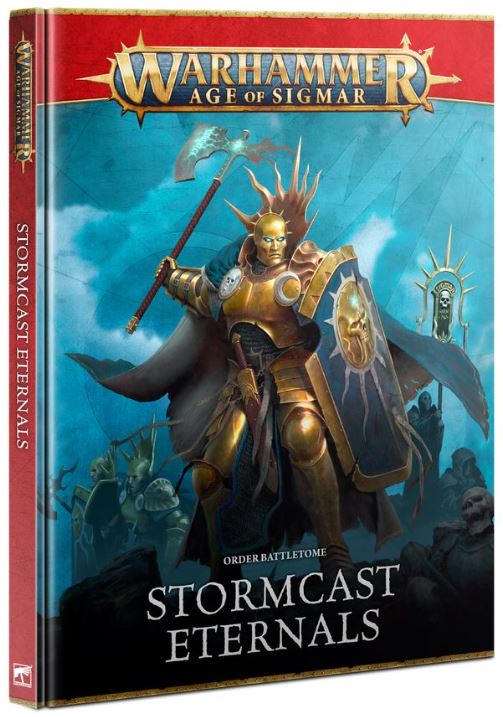
- Role: The face of the franchise.
- Theme: Sacrifice, reforging, divine purpose.
- Evolution: From golden paladins to tragic immortals.
The Stormcast began as Sigmar’s answer to Chaos Warriors: they are immortal warriors reforged from mortal souls, hurled into battle on bolts of lightning. Initially criticised as “Sigmarines,” they’ve since developed a rich identity. Later chambers – like the Sacrosanct and Ruination – explored the psychological toll of reforging, turning these demigods into tragic heroes. Their armour gleams, but their souls fracture.
Soulblight Gravelords: Nobility in Death
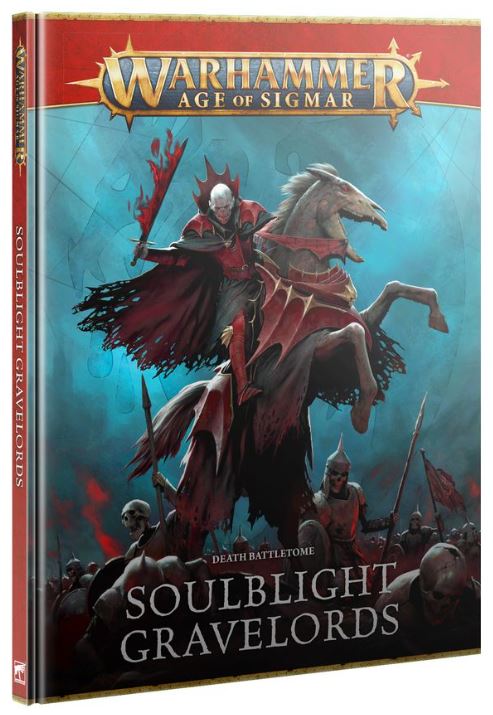
- Role: The aristocracy of undeath.
- Theme: Legacy, decay, and the illusion of control.
- Evolution: From Vampire Counts to gothic grandeur.
The Soulblight Gravelords reimagined the classic WFB Vampire Counts army with a uniquely AoS twist. They’re not just bloodsuckers; they are, like their WFB predecessors, dynasties, each with its own aesthetic and philosophy. From the martial Kastelai to the beast-bound Vyrkos, they embody the idea that death is not an end, but a throne to be claimed. The core identify of the army is fundamentally quite similar to that of the WFB army, but more focused, and with more emphasis on the Vampires themselves.
Skaven: The Eternal Vermintide
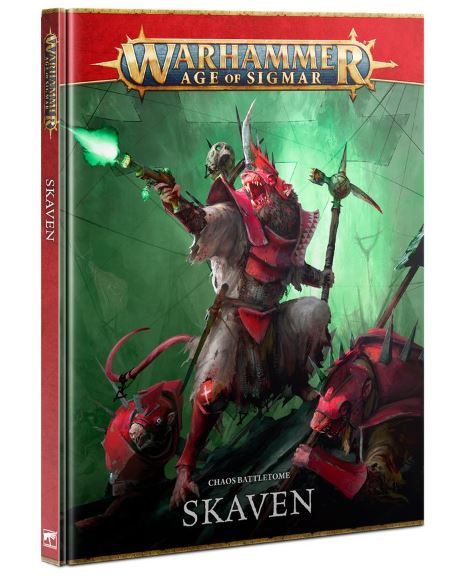
- Role: Chaos incarnate.
- Theme: Paranoia, entropy, and self-sabotage.
- Evolution: From comic relief to existential threat.
The Skaven have always been a fan favourite. and have not changed massively since WFB. In 4th Edition AoS, they’ve become central antagonists. Their blend of slapstick and horror makes them endlessly endearing: a swarm of self-destructive ambition gnawing at the roots of reality. With Skaventide, they’ve stepped into the spotlight, and the realms may never recover.
Seraphon: Celestial Memory Made Flesh
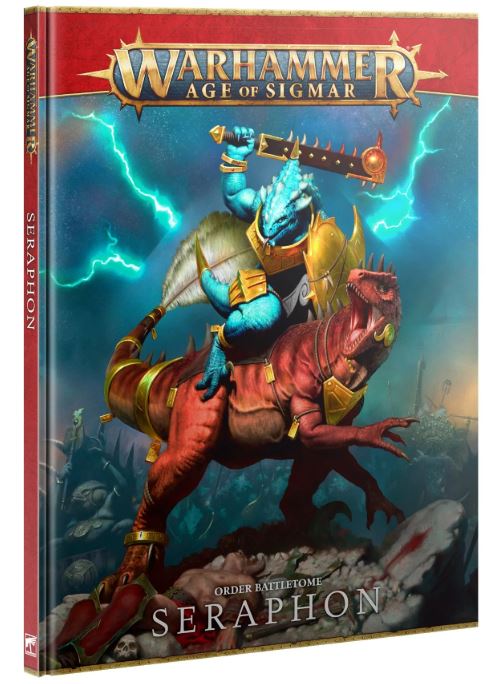
- Role: Order’s alien enforcers.
- Theme: Memory, prophecy, and cosmic design.
- Evolution: From jungle-dwelling lizards to star-born avatars.
Once the Lizardmen of the Old World, the Seraphon have become something stranger; beings of celestial memory, summoned from the stars to enact the will of the Old Ones. Their recent reinvention gave them a dual identity: some are flesh-and-blood, others are dream-creatures of starlight. They are the past, weaponised.
Orruk Warclans: The Face-Beaters of Destruction
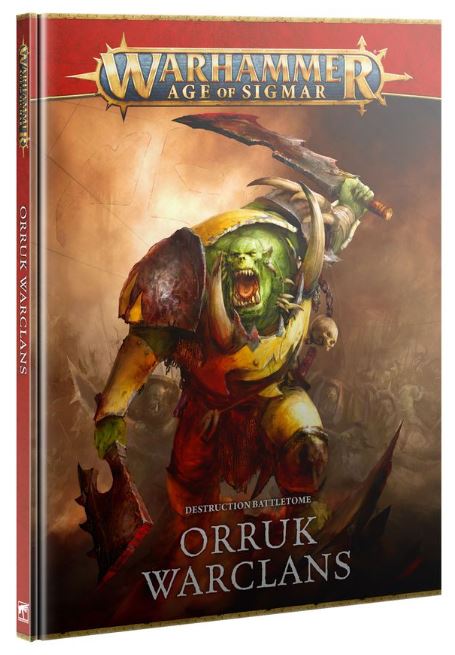
- Role: The primal force of war.
- Theme: Brutality, cunning, and joy in violence.
- Evolution: From comic brutes to nuanced predators.
Destruction factions have flourished in AoS; they are easily the most interesting grand alliance. The Kruleboyz, introduced in 3rd Edition, brought a new flavor to the Orruk Warclans; swamp-dwelling, venomous, and cruelly intelligent. Meanwhile, Ironjawz continue to embody the chaotic joy of battle. Together, they show that Destruction isn’t mindless; it’s instinctual, and sometimes, terrifyingly clever.
Cities of Sigmar: Humanity’s Last Stand
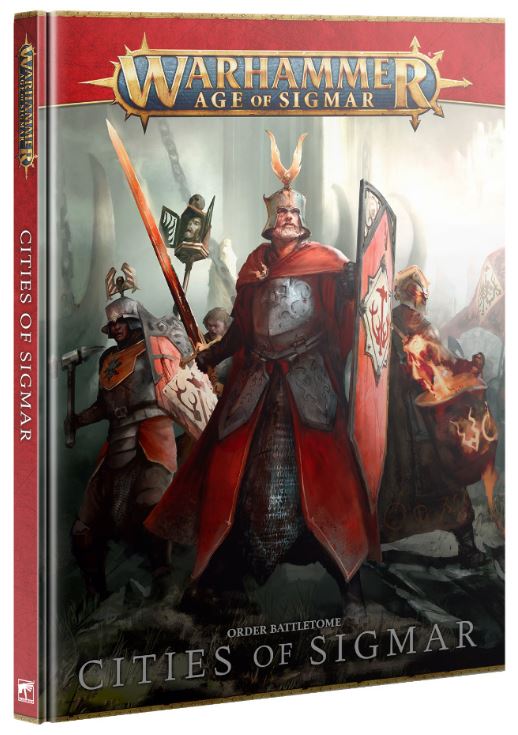
- Role: The mortal anchor of the realms.
- Theme: Resilience, faith, and fragile hope.
- Evolution: From kitbash stopgap to fully realised faction.
The Cities of Sigmar began as a way to preserve legacy models; namely those of the Empire, Dwarfs, and the various Elf factions from WFB. However, over time they’ve become a symbol of mortal defiance. Their recent redesign (so far only really covering the human parts of the army) emphasises grit, diversity, and the sheer audacity of keeping civilisation free from chaos. They are the candle in the dark, and they burn bright.
Icons of the Realms: Characters That Shaped a Decade
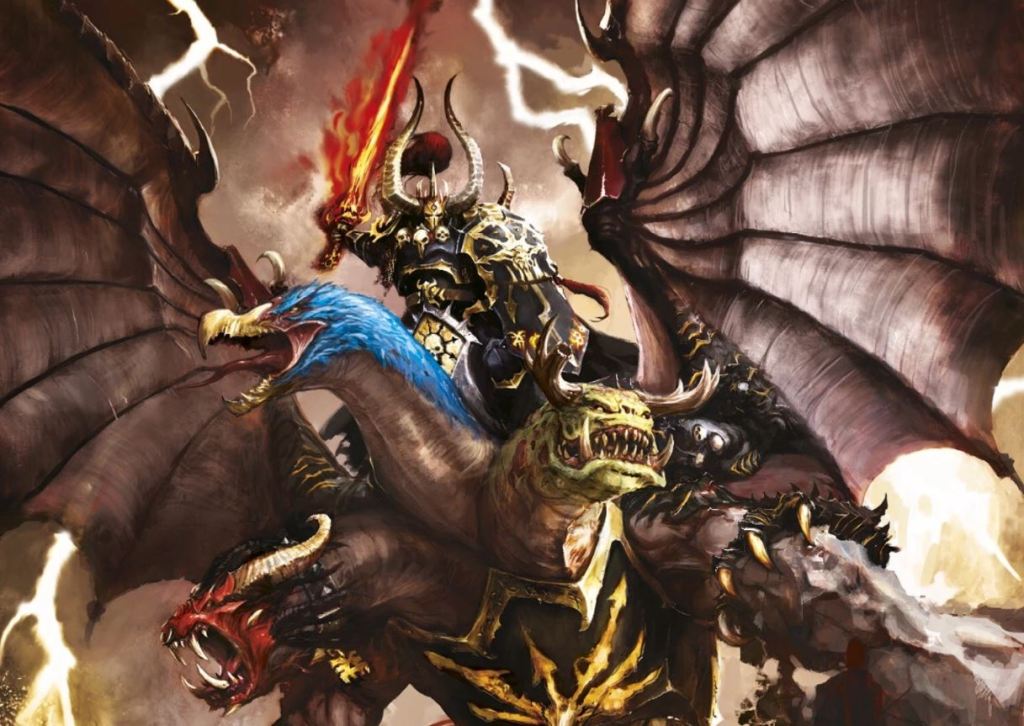
- Archaon the Everchosen: The eternal antagonist, unchanged yet ever-relevant.
- Nagash: The god of death, whose schemes echo across every edition.
- Gotrek Gurnisson: A refugee from the Old World, now a living myth.
- Teclis and Tyrion: Gods reborn, shaping Hysh in their image.
- Kragnos: The End of Empires, a new god of Destruction with ancient roots.
These characters are central to the lore of the mortal realms and are narrative engines in their own right. Their actions shape campaigns, define editions, and give players a sense of scale. In AoS, gods walk the battlefield, and mortals must find meaning in their shadows.

Age of Sigmar’s factions are more than armies. They’re philosophies, cultures, and stories waiting to be told. Over ten years, they’ve grown from archetypes into icons; each one a lens through which we see the Mortal Realms.
And with every new battletome, every reforged soul, and every rising god, the pantheon expands.
 No Rerolls
2 Comments