

This article is part of a retrospective series marking the 10th anniversary of Warhammer: Age of Sigmar. From the shattering of the Old World to the rise of the Mortal Realms, we’re exploring a decade of mythic storytelling, strategic evolution, and community transformation. Whether you marched with the first Stormcast or joined the fray in the Age of the Beast, this series is for you: the generals, the lorekeepers, the hobbyists, and the dreamers. Welcome back to the Mortal Realms.
Series Contents:
- Introduction: The Storm Breaks
- The Shattering of the Old World
- Editions through the years
- Factions and Icons
- Community and Culture (you are here)
- Thematic Legacy and Design Philosophy
- The next 10 years
A Game is More Than Its Rules
Age of Sigmar didn’t just survive its rocky beginnings; it thrived, in large part, because of the people who chose to believe in it. Over the past ten years, a vibrant, global community has grown around the game: painters, storytellers, tournament organisers, loremasters, and casual hobbyists who’ve made the Mortal Realms their own.
This isn’t just a game. It’s a culture.

Age of Sigmar arrived at a time when Games Workshop was rethinking its relationship with its fans, and when the changing nature of online media meant that those fans were better able to express their love for the game. The result? A golden age of hobby content:
- Warhammer Community became a daily ritual for many, offering previews, lore drops, and painting guides.
- YouTube and Twitch exploded with battle reports, lore deep-dives, and hobby hangouts. Channels like Warhammer Weekly, The Honest Wargamer, and Tabletop Minions helped shape the discourse.
- Golden Demon and Armies on Parade showcased the artistic heights of the hobby, with AoS models often stealing the spotlight.
The Mortal Realms, with their surreal landscapes and mythic factions, became a canvas for creativity.
AoS has always embraced storytelling. From the earliest Realmgate Wars campaigns to the modern Path to Glory system, narrative play has been a pillar of the game’s identity. But the real magic happened in local clubs and online forums, where players:
- Created stories and characters.
- Wrote epic sagas for their armies.
- Ran map-based campaigns and linked battles with evolving consequences.
These early lorekeepers didn’t just play the game, but lived in its world.
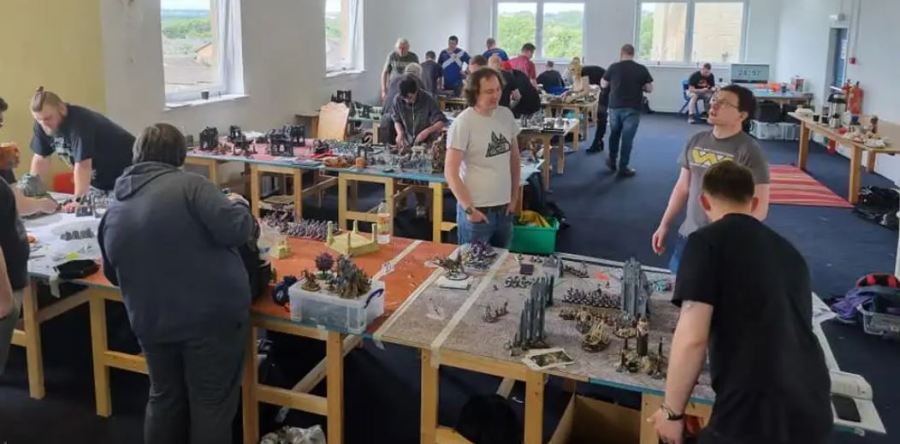
Competitive play in AoS has grown from grassroots events to a global circuit. Key developments include:
- The General’s Handbook, which standardised matched play and seasonal balance.
- Warhammer World events, which blended competition with spectacle.
- Independent events bringing competitive play to local areas. The tournament scene in my native Scotland is bustling and incredibly friendly.
AoS tournaments are known for their sportsmanship and creativity, where beautifully painted armies and thematic lists are celebrated alongside tactical prowess. Whilst all Warhammer armies can be beautiful, it does feel like AoS players value the hobby aspect a little more than those who attend 40K events.
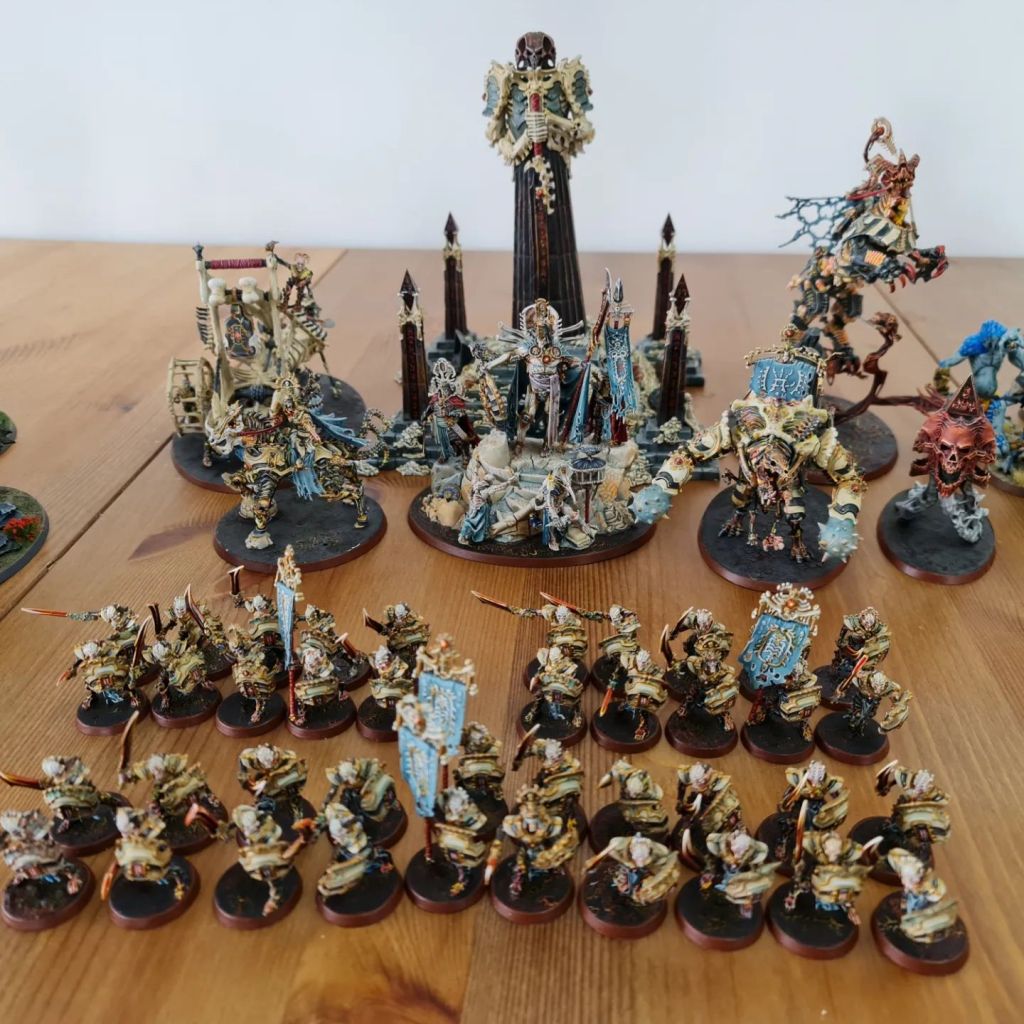
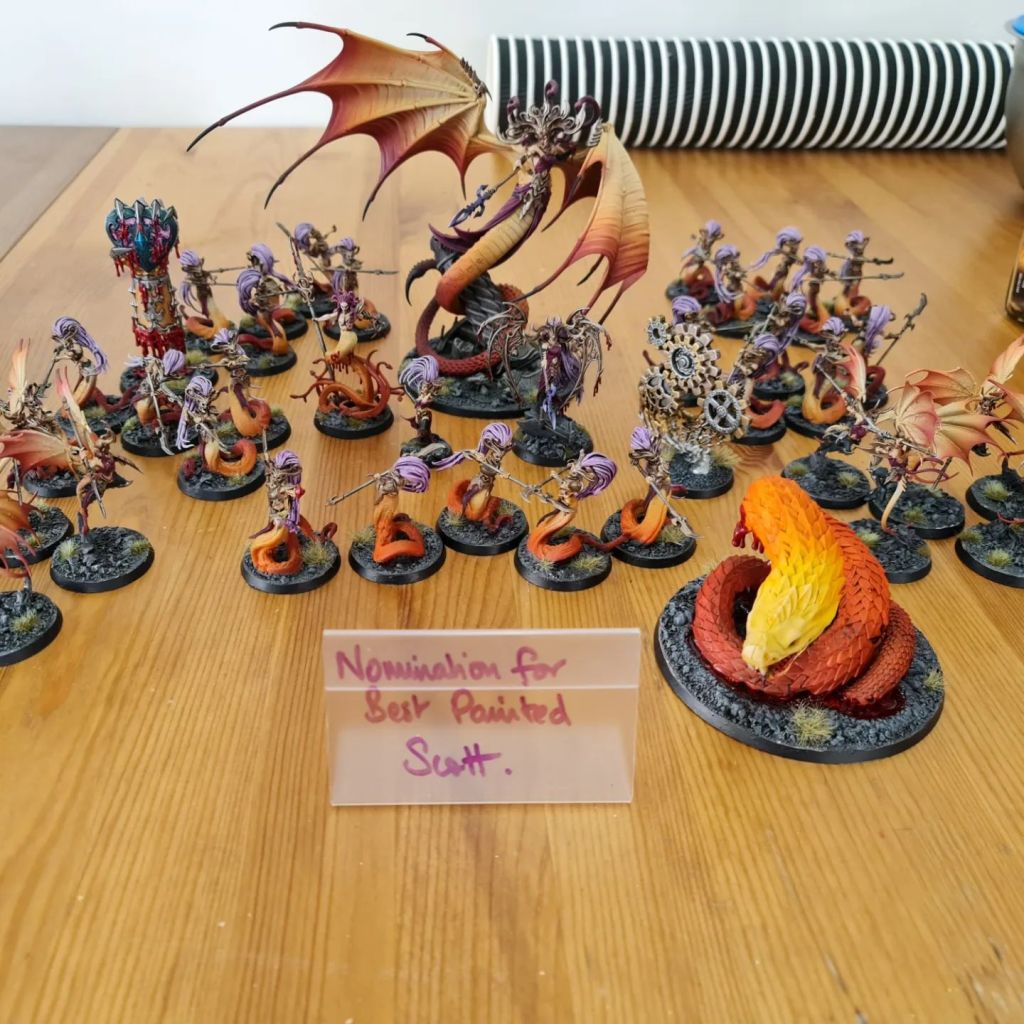
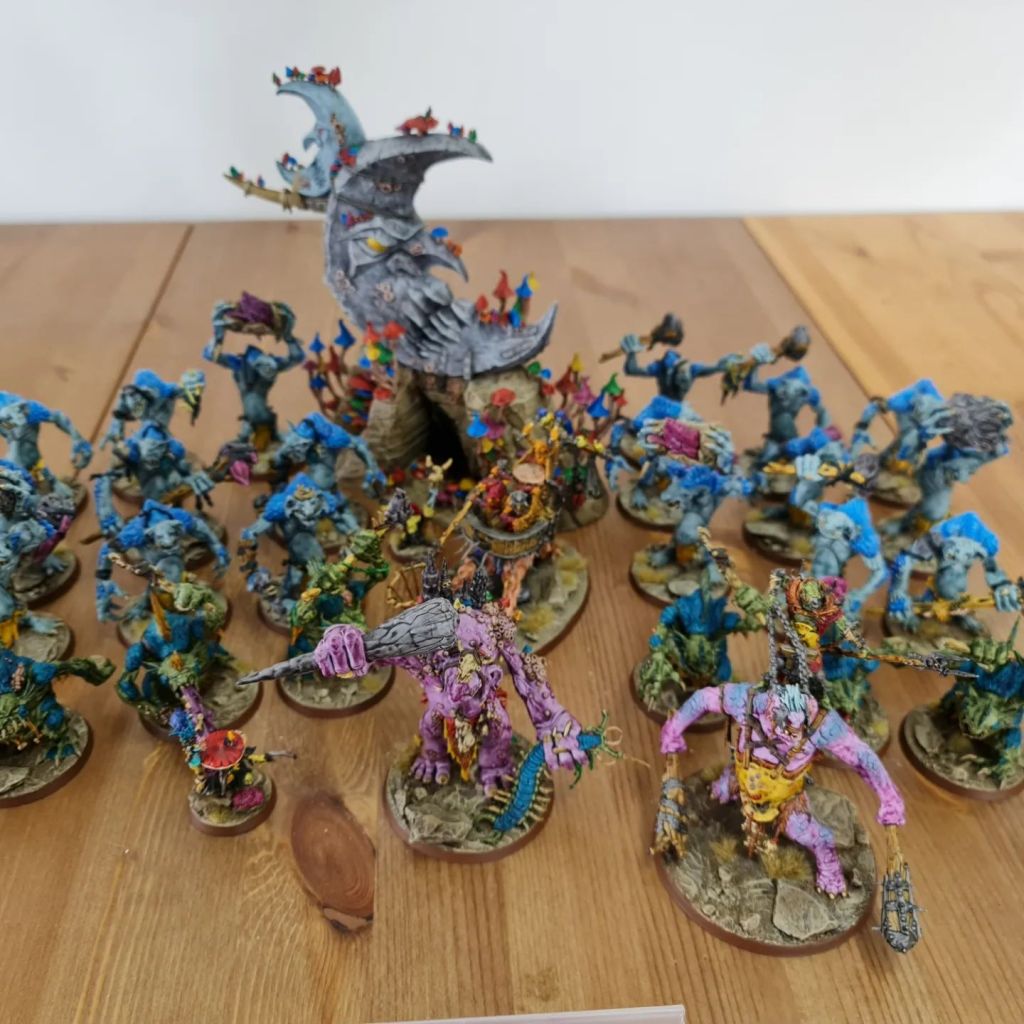
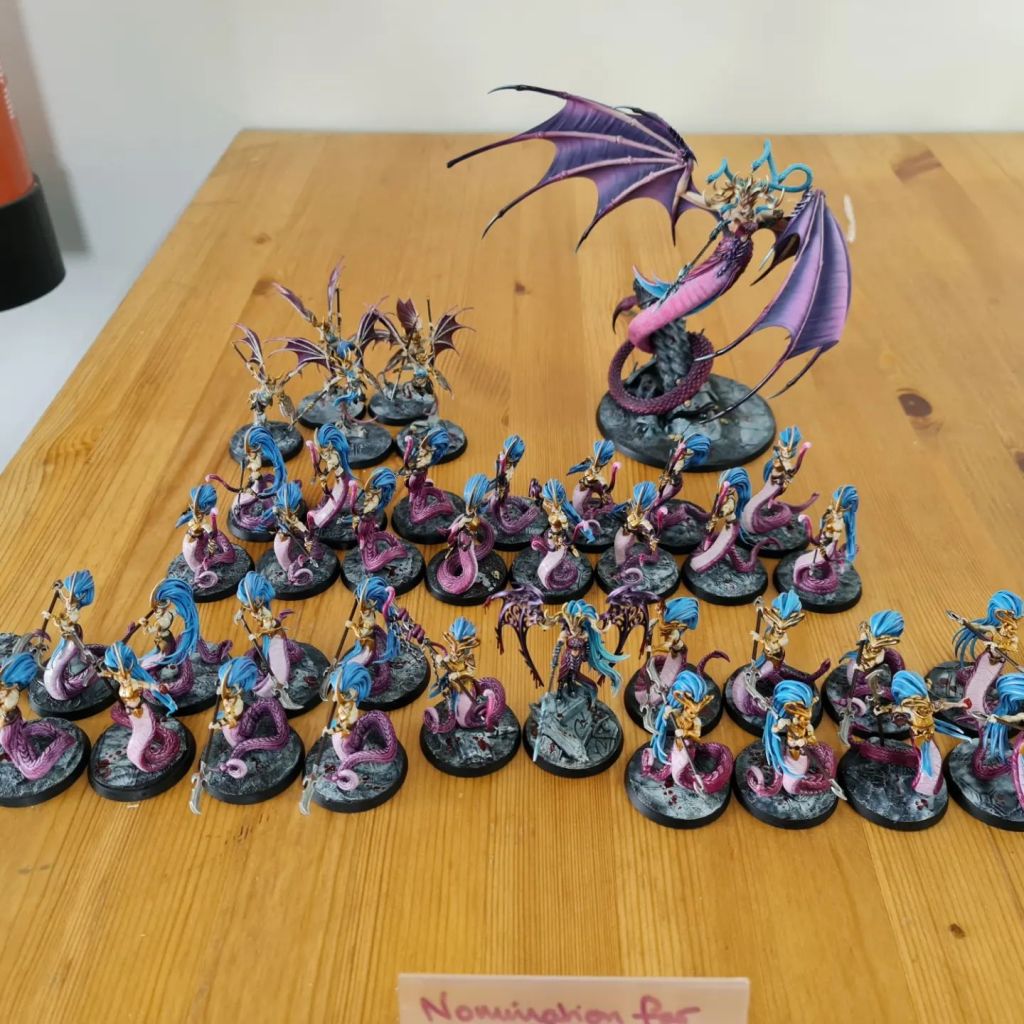
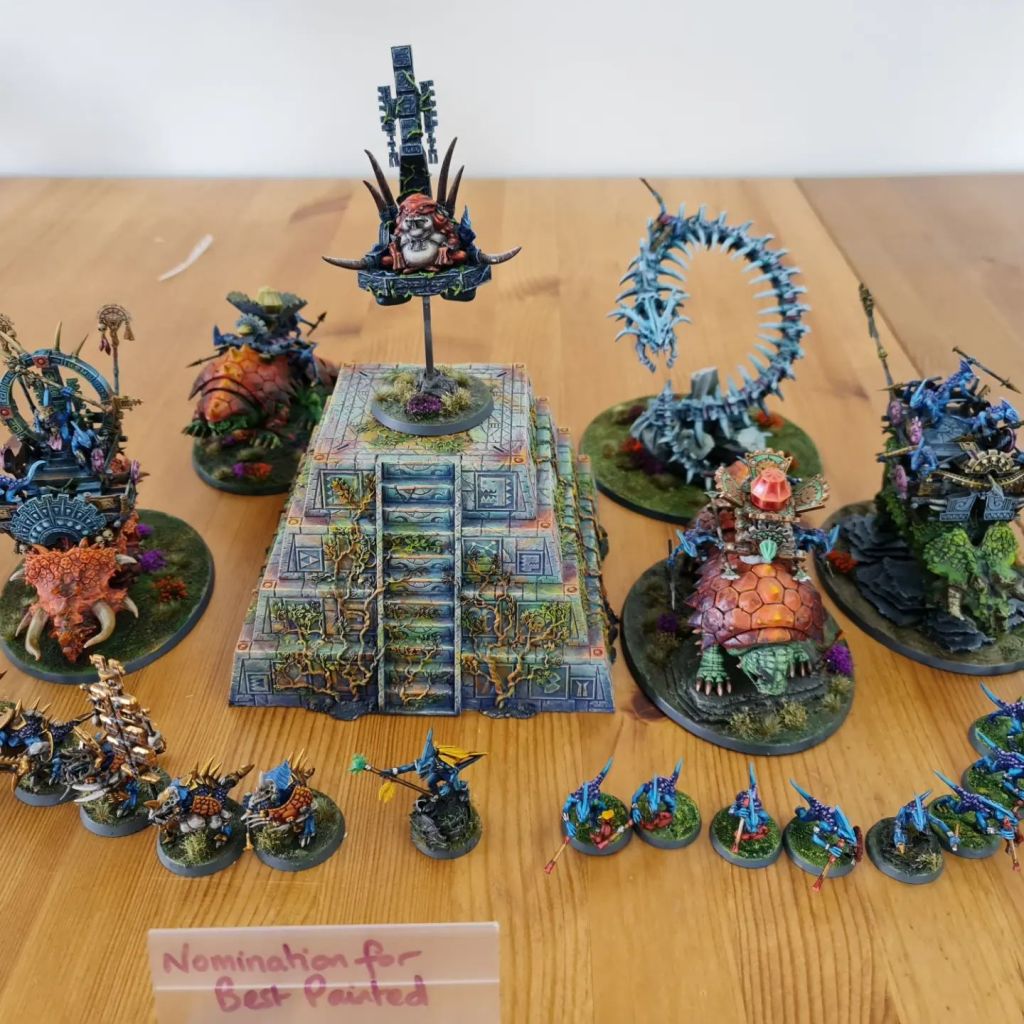
AoS has also been a space for positive change. Many local clubs and online communities have embraced:
- Codes of conduct that promote respect and accessibility. We’re looking at an updated one for own club at the moment.
- Diversity in storytelling, with factions and characters that reflect a broader range of identities.
- Mental health awareness, with hobby spaces becoming safe havens for connection and creativity. I had a great time at an Age of Sigmar tournament held in aid of mental health charities.
In two of the six tournaments I’ve attended over the past few years, I’ve had the honour of being awarded best sports. I do try to be positive, even when being crushed, so it meant a lot that this was recognised!
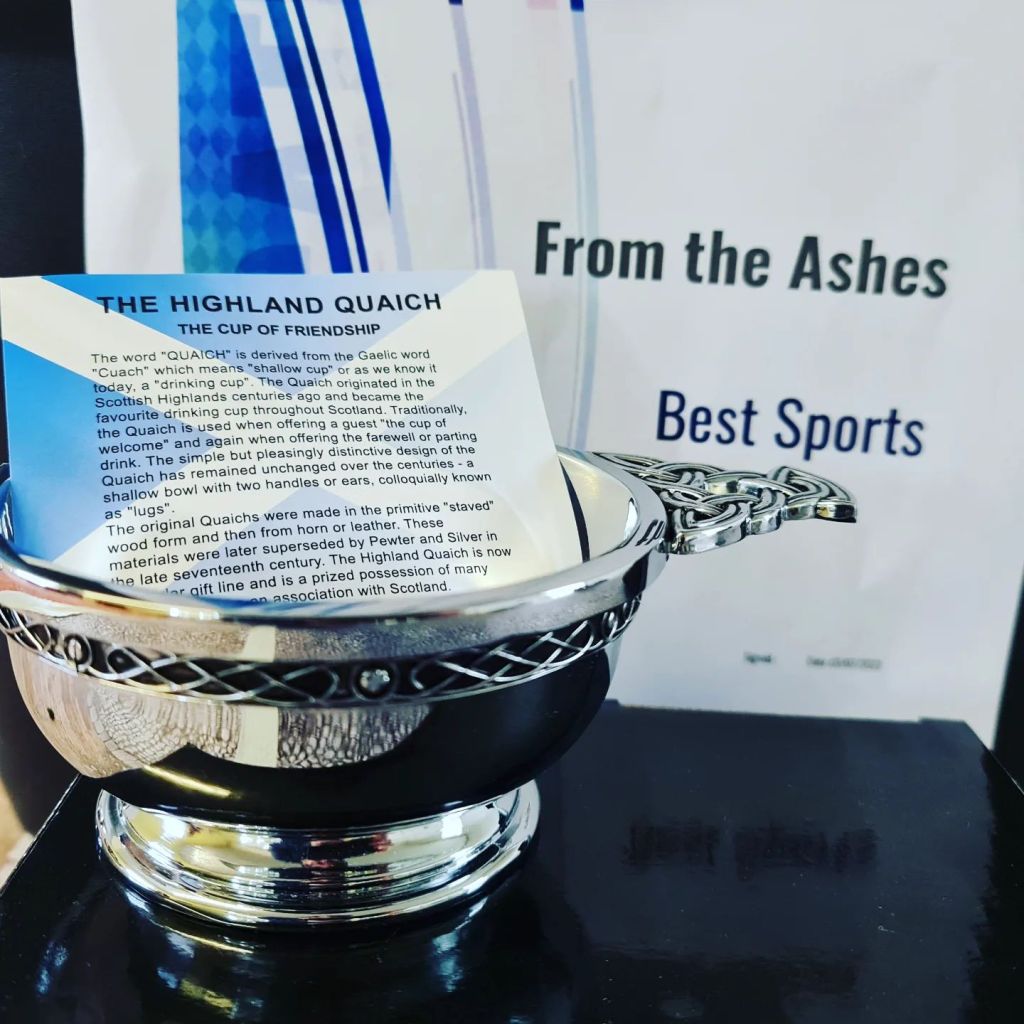
The Mortal Realms are for everyone, and the community has worked hard to make that true. Games Workshop have also made some efforts to reinforce this message, though it was met with some resistance for the more toxic elements of their customer base.

Ten years ago, Age of Sigmar was a gamble. Today, it’s a living culture, shaped not just by designers and developers, but by the players who paint, play, and dream within its worlds.
The Realmgates may open from Azyr to Shyish, but the true magic lies in the spaces between: the club nights, the Discord chats, the shared stories, and the friendships forged in battle.
 No Rerolls
2 Comments