
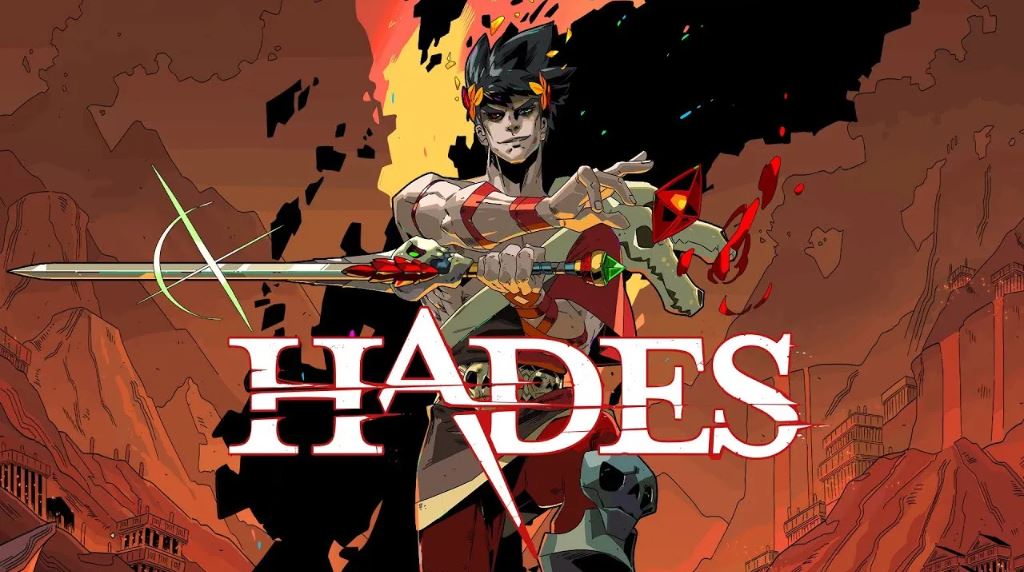
Supergiant Games’ Hades is a fantastic roguelike game. It’s a masterclass in momentum, myth, and emotional resonance. You play as Zagreus, the rebellious son of Hades, sprinting through the underworld in a relentless bid to escape. You will run it over and over, learning from your mistakes and making slight improvements to your character, and unlocking more weapons and buff options. But every death is a lesson, every run a story, and every weapon a new rhythm in the dance of defiance. I purchased this game myself, and no review copy was provided.
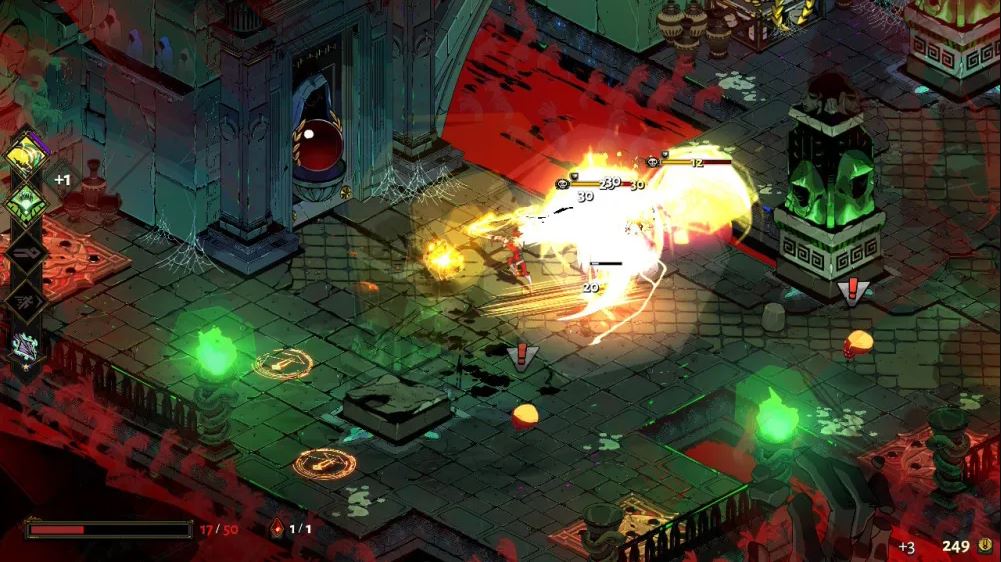
Let’s start with the core element of the gameplay: the combat. It feels more like choreography. Each run feels like a tightly wound performance, where reflex, rhythm, and improvisation collide. The moment you step into Tartarus, the game invites you to move, not cautiously, but boldly. Dash, strike, cast, repeat. The Twin Fists of Malphon turn you into a blur of aggression, while the Heart-Seeking Bow demands patience and precision. Every weapon is a different dialect of violence, and learning to speak each fluently is part of the joy.
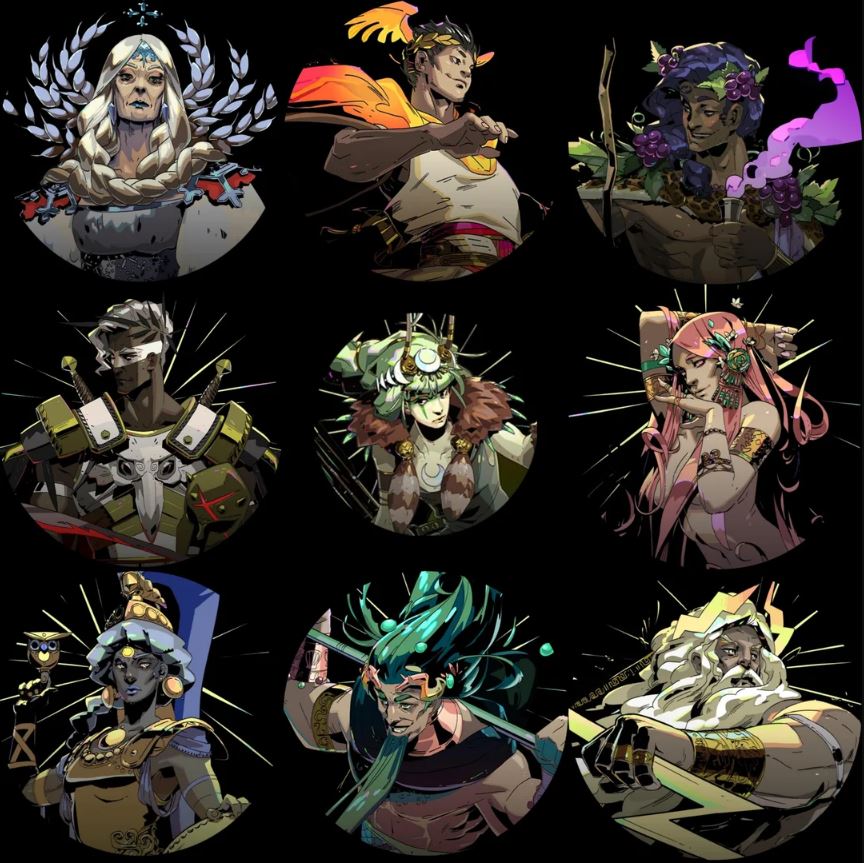
But it’s the Boons that elevate the experience into something mythic. Zeus crackles through your strikes with electric bravado. Artemis sharpens your aim with deadly grace. Dionysus turns your battlefield into a drunken haze of damage-over-time. These divine gifts are more stat boosts; they’re invitations to experiment, to remix your style, to chase synergy and surprise. And because each run reshuffles the deck, you’re never quite repeating yourself. Personally, I love the doom-laden boons of Ares and the lightning-fuelled blessings of Zeus. Other gods offer delightful subtlety, but I like these big, obvious boons.
The result is a combat system that feels alive. It rewards aggression, but punishes recklessness. It’s fast, but never mindless. And most importantly, it makes failure feel like a rehearsal, not a punishment.
Going in, I didn’t expect the story of this game to grip me as much as it did. As Zagreus tries over and over to escape the Underworld, he’s also unravelling a family mystery, forging relationships, and redefining what it means to belong. And the brilliance lies in how the narrative unfolds: not through cutscenes or exposition dumps, but through repetition. Every death brings you back to the House of Hades, and every return deepens the world.
Characters remember you. They comment on your progress, your choices, and your failures. Meg isn’t just a boss; she’s an ex with unresolved tension. Thanatos isn’t just a rival; he’s a childhood friend with a quiet ache. Even Hades himself, stern and unyielding, reveals cracks in his armour over time. The writing is sharp, often funny, and always layered. It trusts you to piece things together, to listen, to care.
And then there’s Persephone. Her absence is the game’s emotional core, and her eventual presence reframes everything. The story demands persistence, and rewards you for it. You unlock the truth by returning, again and again, until the Underworld feels less like a prison and more like a home.
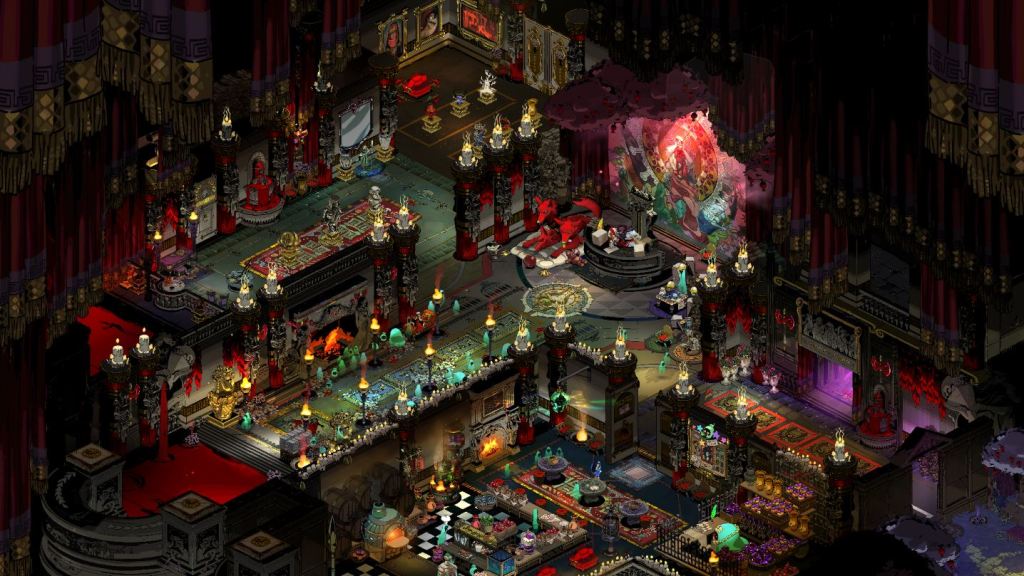
Visually, Hades is sumptuous. Its art direction reimagines Greek mythology with swagger and intimacy. The character designs are bold and expressive. Each god is rendered with a distinct personality that feels both timeless and fresh. Aphrodite glows with seductive warmth, while Ares broods in crimson menace. Even the environments – Tartarus’s oppressive gloom, Asphodel’s molten chaos, Elysium’s eerie serenity – feel like emotional states as much as physical spaces.
The UI is clean but ornate, with flourishes that never distract. And the animations? Crisp, readable, and full of flair. Zagreus’s dash leaves a trail of defiance. Enemies telegraph their attacks with clarity and menace. It’s a game that understands visual rhythm as well as mechanical precision.
Then there’s the sound. Darren Korb’s score is a revelation with equal parts adrenaline and melancholy. Tracks like “Out of Tartarus” and “God of the Dead” pulse with urgency, while quieter moments in the House of Hades hum with reflective sorrow. The voice acting is uniformly excellent, with Logan Cunningham’s Hades delivering gravitas and dry wit in equal measure. It’s a soundscape that really defines the game.
Hades is a game about escaping death. The thing is, it’s also a game about making peace with it. Zagreus’s journey isn’t linear; it’s recursive, reflective, and deeply human. He fails, learns, returns. In doing so, he builds relationships, uncovers truths, and reshapes his world. It’s a narrative structure that mirrors real growth; not the triumphant arc of a hero, but the slow, stubborn climb of someone trying to understand where they belong. This sat in my Steam library unplayed for years, but I was finally primed to play and love it, following the experience of Hadestown. There are a lot of parallels there, but that might be a discussion for another day.
This is a roguelike that reclaims repetition as a virtue. It doesn’t punish you for dying, but invites you to see what’s changed. Who has something new to say? What corner of the House has softened? It’s a game that rewards persistence not with loot, but with intimacy.
For players who crave challenge, Hades delivers. For those who crave meaning, it offers something rarer: a story that respects your time, your effort, and your curiosity. It’s a triumph of design, writing, and heart, and a reminder that even in the depths of the Underworld, there’s room for connection, growth, and joy.
 No Rerolls
5 Comments