
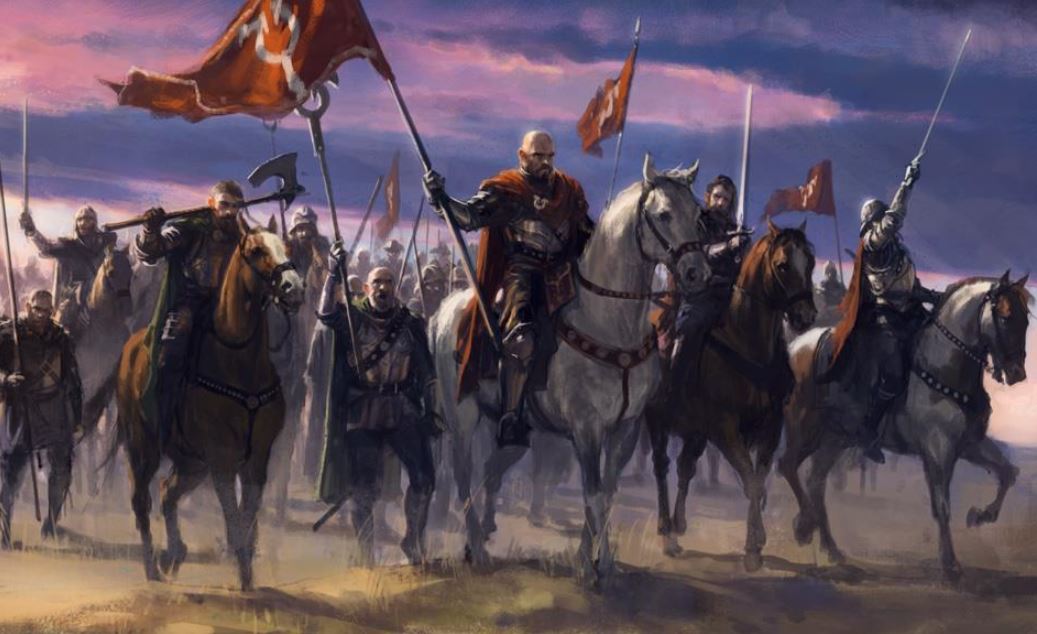
Some cards only look powerful because you played them from a position of strength. They create explosive turns, dramatic swings, and the kind of moments people remember, but those moments only happen when you’re already ahead on board, mana, or tempo. When you’re behind, these same cards do nothing. They sit in your hand, waiting for a board state you don’t have, or they hit the table and fail to change anything that matters.
The illusion comes from highlight bias. You remember the times the card amplified your lead, not the times it stranded you while someone else built an engine. These cards aren’t bad; they’re conditional. And the condition is “I’m already winning.”
Ahead‑only cards share a set of structural traits that make them unreliable in real games. They depend on resources you don’t always have, and they scale with advantages you can’t guarantee.
Common traits include:
- They require a board: creatures, tokens, or an established presence
- They require time: multiple turns before they matter
- They require sequencing: they only shine after other pieces are in place
- They require safety: they assume opponents aren’t pressuring you
- They require momentum: they don’t generate it themselves
These cards don’t help you stabilise, recover, or pivot. They only amplify what you’ve already built. If you’re behind, they’re blanks. If you’re at parity, they’re slow. If you’re ahead, they’re spectacular — which is exactly why they mislead players about their true value.
Let’s look at some of the common offenders. These aren’t bad cards. They’re cards that depend on the right conditions, and those conditions are usually already putting you in a strong position from which victory is likely.
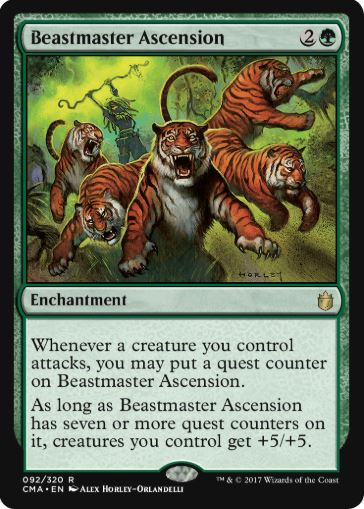
- Beastmaster Ascension: Terrifying when you have a board, embarrassing when you don’t. It’s a finisher disguised as an enchantment, and it does nothing to help you build the board it needs.
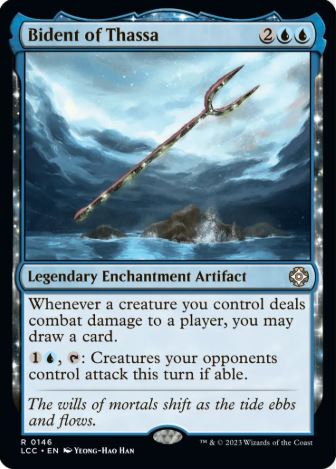
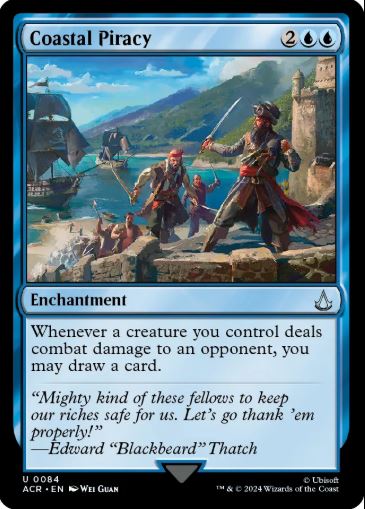
- Coastal Piracy and Bident of Thassa: They promise card advantage, but only if you already have creatures connecting. When you’re behind, they’re four‑mana do‑nothings that don’t help you rebuild.
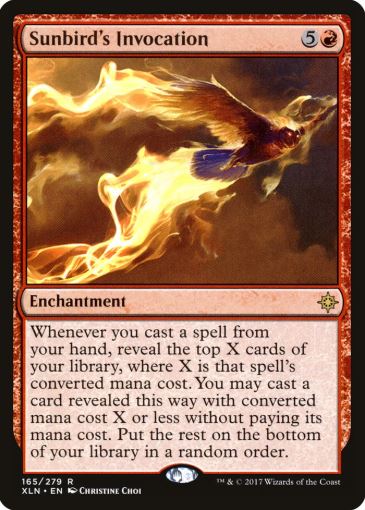
- Sunbird’s Invocation: Reads like a value engine, plays like a six‑mana tempo loss. If you’re ahead, it snowballs. If you’re behind, it’s a turn spent doing nothing while everyone else advances.
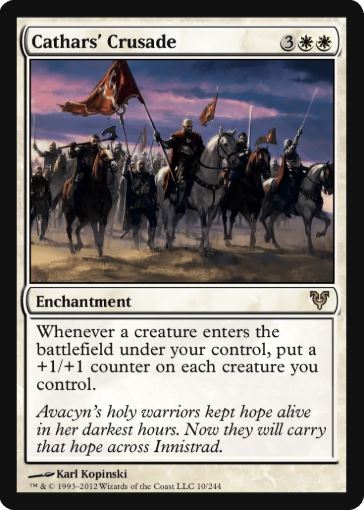
- Cathars’ Crusade: Incredible when you’re already snowballing, miserable when you’re not. It demands a board, demands follow‑up, and demands time; all things you lack when you’re losing.
- Overwhelming Stampede: The purest example. It’s lethal when you’re ahead and uncastable when you’re behind. It doesn’t fix anything; it just magnifies whatever you already have.
These cards aren’t bad, and they are not traps; they’re amplifiers. They make your good draws look incredible and your bad draws look worse.
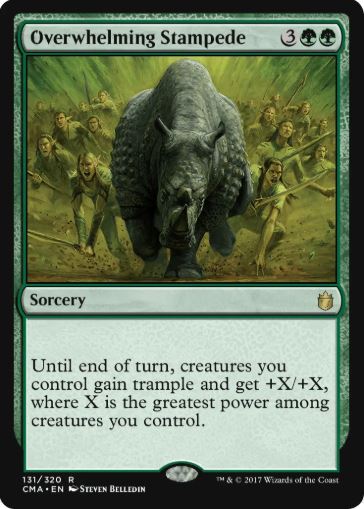
The problem is not that these ahead‑only cards underperform; they can do very well in the right situation. I think the issues is that they warp your sense of what your deck is capable of. When they work, they work spectacularly, and that spectacle hides the structural weakness underneath. You remember the lethal Overwhelming Stampede, not the three games where it sat in your hand while you tried to rebuild. You remember the turn where Cathars’ Crusade made your board enormous, not the turns where it did nothing because you had no creatures to follow it up.
These cards inflate your perceived power level. They make your deck look explosive in goldfish tests and highlight moments, but they don’t help you recover from disruption or compete with engines that scale independently of board presence. They also encourage overcommitment: you play into wipes because your payoff demands a board, and you keep hands that look fine only if everything goes right. The distortion isn’t obvious until you start losing games you thought you were built to win.
The solution isn’t to replace ahead‑only cards with “better” versions; it’s to replace them with cards that matter when you’re behind, at parity, or rebuilding. You want effects that generate value from nothing, stabilise the board, or create inevitability without requiring a perfect setup. Useful categories include:
- Engines that don’t need a board: repeatable draw, recursion, or mana generation
- Cards that reset the table: wipes, pivots, or pressure valves
- Threats that scale on their own: cards that generate value immediately or over time
- Interaction that changes outcomes: not just removal, but disruption that buys turns
- Finishers that don’t require a board: inevitability pieces, drain engines, compact combos
These aren’t upgrades to the ahead‑only cards; they’re different roles entirely. They give your deck resilience instead of volatility, and they make your bad draws functional instead of fatal.
Cards that only work when you’re ahead aren’t inherently weak; they’re just honest about what they need. The problem is that many decks treat them as centrepieces rather than amplifiers. Commander rewards cards that matter in every stage of the game, not just the ones where you’re already winning. Once you start recognising the difference, your deck becomes more consistent, more resilient, and far less dependent on perfect conditions.
If you’re looking for MTG or Pokémon singles, please consider using our Big Orbit Cards affiliate link to find your cards whilst also supporting our site.
 No Rerolls