
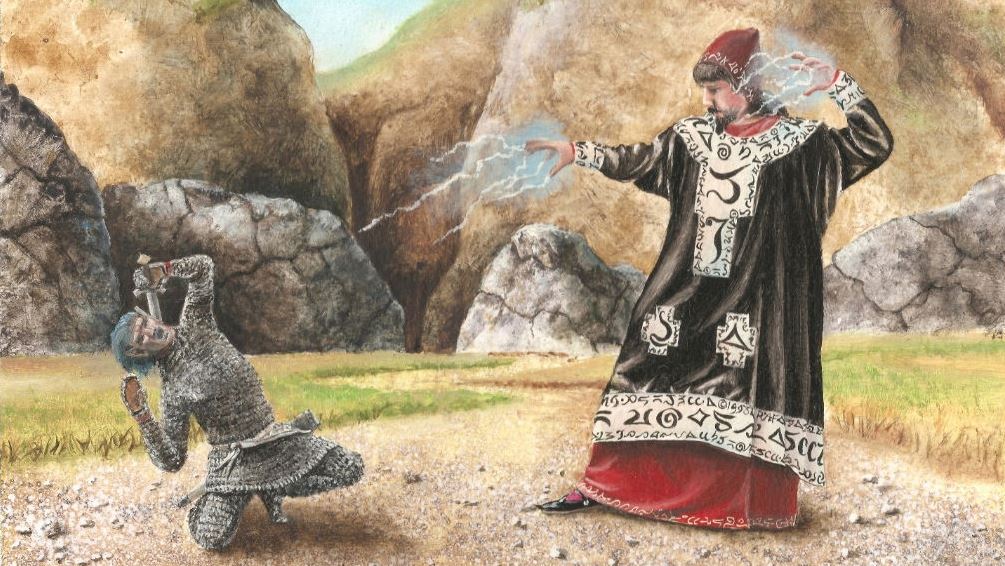
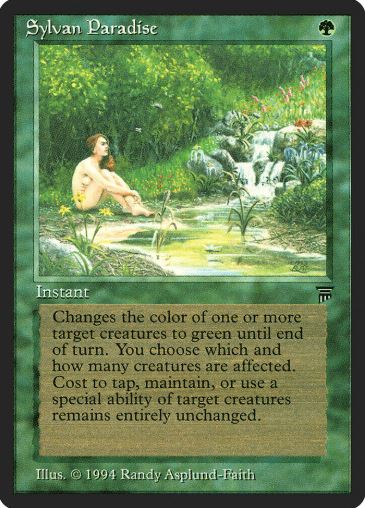
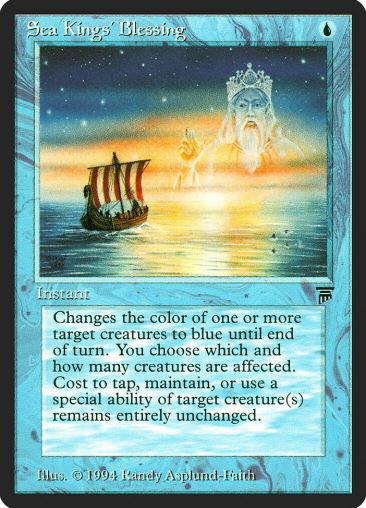
Randy Asplund has made an interesting statement on social media and on his website regarding the copyright to his artwork that adorns some of the earlier Magic: the Gathering cards. He hasn’t sued anyone. There’s no courtroom drama, no leaked emails, no furious statement from Wizards of the Coast. Instead, the most consequential Magic: The Gathering story of the year (so far) begins with something far less cinematic: a veteran artist filling out a set of forms the U.S. Copyright Office has recognised for nearly half a century.
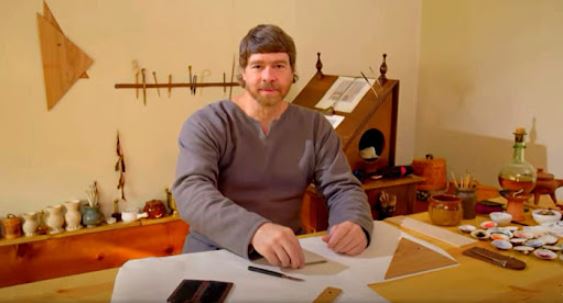
It’s the kind of moment that slips under the radar because it isn’t loud. But it matters. One of the original illustrators behind Magic’s early identity has triggered a legal mechanism that lets creators reclaim rights to work they assigned decades ago. It’s a quiet reminder that the foundations of this hobby aren’t just corporate assets; they’re the accumulated labour of individual artists whose contributions predate the modern Wizards brand entirely.
This isn’t a scandal. It’s just a basic realisation that the rules of ownership are more fluid than most players ever consider, and that an artist can, with the right timing and paperwork, pull a piece of Magic’s history back into their own hands.
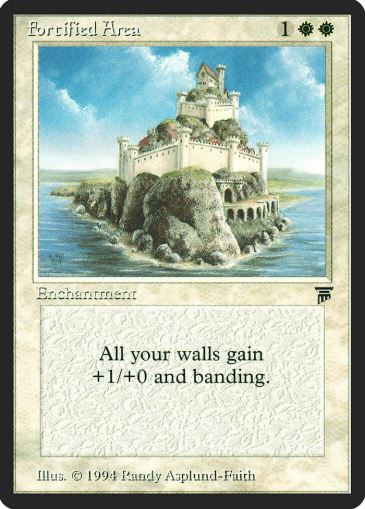
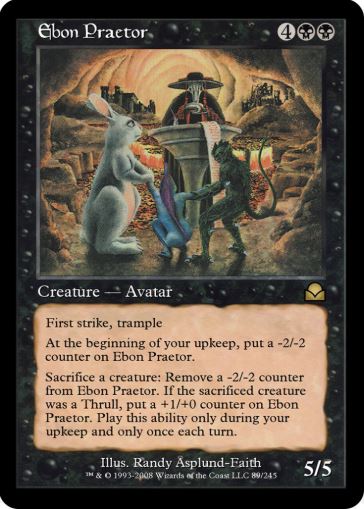
Asplund has filed copyright termination notices under the U.S. Copyright Act of 1976. These notices allow creators to reclaim rights to work they assigned after a 35‑year period, regardless of what the original contract said. It’s a built‑in rebalancing mechanism: a delayed second chance for artists who signed deals long before they had leverage, or before anyone knew their work would become culturally significant.
His filings have been accepted. The rights to his Magic illustrations, including pieces from Antiquities, Legends, The Dark, Fallen Empires, and Alliances, will revert to him starting in 2030 and continuing into 2031. Wizards of the Coast reportedly offered him a buyout to prevent that outcome.
He declined.
There’s no dispute about ownership today; Wizards still holds the rights until the reversion dates arrive. But the trajectory is set. Unless something extraordinary intervenes, a portion of early Magic artwork will legally return to the artist who created it. And because the process is statutory rather than adversarial, it stands as a template that other early‑era artists could follow with similar results.
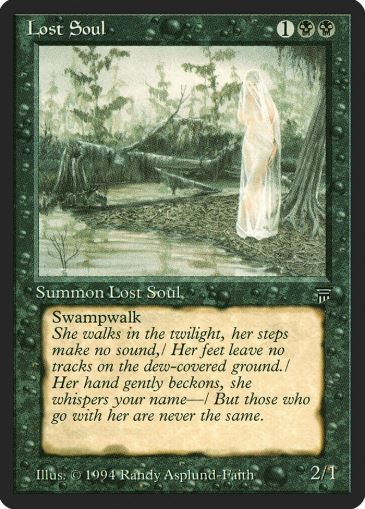
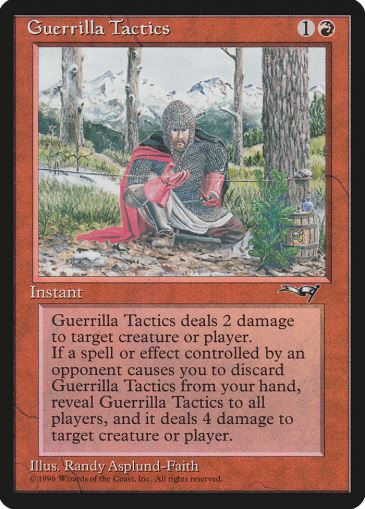
The significance isn’t in the number of pieces Asplund is reclaiming; it’s in the mechanism he’s using and the precedent it quietly sets. Early Magic art sits in a strange space: iconic, commercially valuable, and created long before anyone involved understood what the game would become. For decades, the assumption has been that Wizards’ ownership of that imagery was permanent. Asplund’s filings show that assumption has an expiry date.
For other early‑era artists, the message is simple: the door is open. The process is accessible, the timeline is fixed, and the law is designed to favour the creator. If even a handful follow his lead, Wizards could find itself unable to use original artwork for some of the most nostalgia‑driven cards in its catalogue. Reprints would need new illustrations. Premium products built on the promise of “the original look” would lose part of their foundation.
And then there’s the artist’s side of the equation. Reversion doesn’t just block corporate use; it restores agency. It lets creators decide how their work circulates, how it’s licensed, and how it’s contextualised. For a game whose early identity was shaped by dozens of freelancers working under tight deadlines and modest pay, that shift is more than symbolic. It’s a redistribution of control back to the people who built the visual language of Magic in the first place.
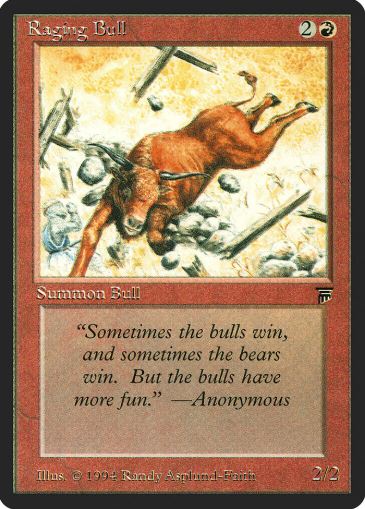
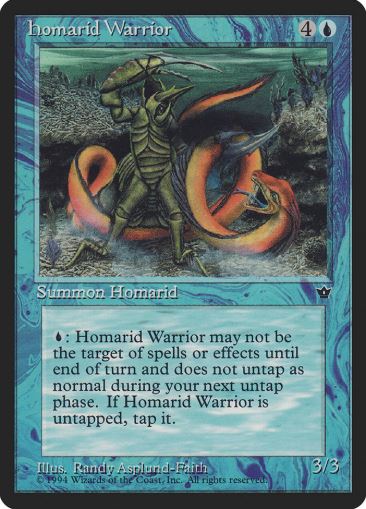
Of course, this story doesn’t exist in a vacuum. It arrives at a moment when Wizards is already under scrutiny for its relationship with artists; from AI‑generated promotional images to long‑standing concerns about rates, contracts, and credit. The company’s reliance on nostalgia products has never been higher, and the value of early‑era art has never been more commercially visible.
At the same time, creator‑rights conversations are gaining traction across the wider creative industries. Comics, music, and publishing have all seen renewed interest in the same termination provisions Asplund is using. Tabletop gaming, by contrast, has lagged behind. Many artists simply didn’t know these rights existed, or assumed they didn’t apply to work-for-hire arrangements. Asplund’s move punctures that assumption.
So the timing matters. It’s not that Wizards has suddenly done something new to provoke this. It’s that the broader cultural climate has shifted, and artists are more willing to revisit the terms under which their early work was absorbed into corporate archives. Asplund’s filings become part of a larger pattern: creators re‑examining the deals they made before their industries matured, and discovering that the law gives them more leverage than they were ever told.
So, where do we stand for now?
Well, the immediate future is quiet. Nothing changes until 2030, and Wizards retains full rights until the reversion dates arrive. But the long-term picture is more fluid, and it opens several plausible trajectories.
Other artists may follow Asplund’s lead. Some will be motivated by principle, others by the opportunity to control how their work is used, and some simply by the chance to reclaim a piece of their own history. If even a small number file termination notices, Wizards will need to rethink how it handles any potential reprints of early-era cards, especially the ones that rely on their original artwork to sell nostalgia.
We may also see a parallel ecosystem emerge: artists releasing their own prints, books, or licensed products built around the art they’ve regained. That doesn’t threaten Magic as a game, but it does diversify who gets to tell the story of its early years.
For Wizards, the likely response is strategic rather than dramatic. They may commission new art for classic cards. They may lean harder on modern reinterpretations. They may quietly adjust contracts going forward to avoid similar situations decades from now.
None of this is catastrophic. But it does mark a shift. The ownership of Magic’s past is no longer a settled question, and the people who helped create that past now have a clearer path to reclaiming their part of it. The next few years won’t be defined by conflict so much as recalibration; a slow, procedural redistribution of control that has been waiting in the law all along.
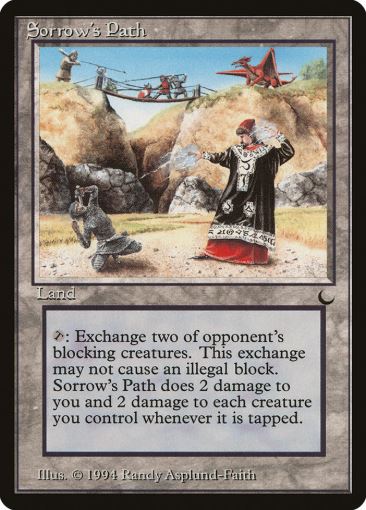
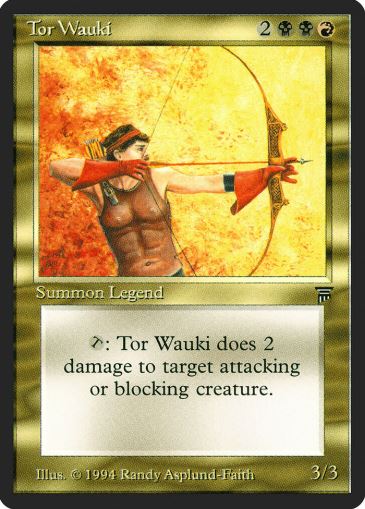
Look, for all the structural implications, this story comes back to something simple. An artist who helped define Magic’s early visual identity filled out a set of forms. A corporation tried to buy him out. The law gave him a path that didn’t exist in the contracts he signed three decades ago. It’s a procedural correction built into the system, waiting for someone to use it.
That’s the real shape of the moment. Not a clash, not a scandal, but a reminder that creative work doesn’t disappear into corporate ownership as cleanly or permanently as people assume. Rights can return. Control can shift. The past isn’t as fixed as nostalgia makes it feel.
Asplund’s filings don’t rewrite Magic’s history, but they do reframe it. They show that the people who built the game’s earliest imagery still have agency, even now, and that the machinery of copyright can move in their favour when they choose to engage it. It’s a small act with a long shadow. It’s the kind of change that starts quietly and stays quiet, but alters the landscape all the same.
If you’re looking for MTG or Pokémon singles, please consider using our Big Orbit Cards affiliate link to find your cards whilst also supporting our site.
 No Rerolls