
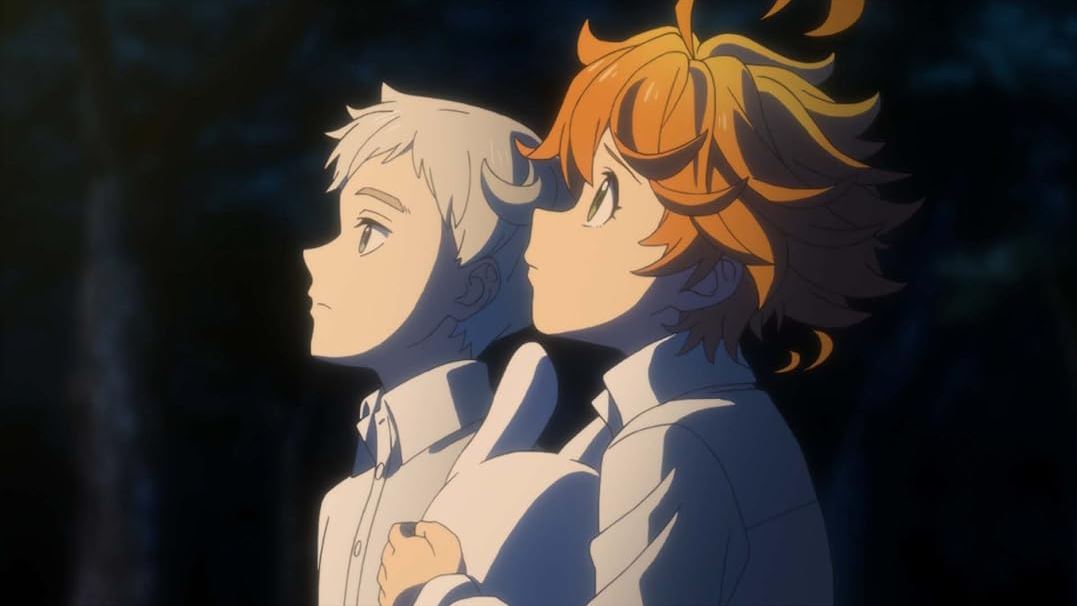
I didn’t plan to watch The Promised Neverland. I blinked, somehow ended up three episodes deep, and by the finale, I was sitting there with tears running down my face because an anime about children in matching pyjamas had just dismantled me with surgical precision.
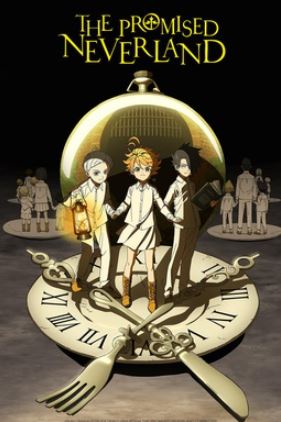
Season 1 is one of the tightest pieces of storytelling I’ve seen in years. It’s only twelve episodes, but every single one is doing something: building tension, deepening relationships, sharpening the stakes, or quietly planting a detail that will detonate later. There’s no filler. No wasted breath. Just a relentless escalation of dread wrapped in the aesthetics of a cosy orphanage.
The horror works because the show refuses to cheat. The early twist is famous for a reason, but what makes it land isn’t the shock; it’s the aftermath. The show doesn’t rely on gore or jump scares. Instead, it leans into psychological horror:
- the way the camera lingers just a beat too long
- the way the children’s smiles become masks
- the way the house suddenly feels like a trap with soft furnishings
It’s a story about kids who should be playing tag but instead have to become strategists, spies, and escape artists. And the show never lets you forget that they’re still children. That tension, of brilliance and vulnerability coexisting, is the engine of the whole season.
The core trio of Emma, Norman, and Ray works because they’re not interchangeable “smart anime kids.” They’re distinct, flawed, and painfully real:
- Emma’s compassion is her strength and her liability.
- Norman’s calm brilliance hides a terrifying willingness to sacrifice himself.
- Ray’s cynicism is earned, and his arc is one of the season’s most quietly devastating threads.
Their dynamic is the heart of the show. Every plan, every setback, every whispered conversation in the dark hits harder because you care about them as people, not plot devices.
And then there’s Mom…
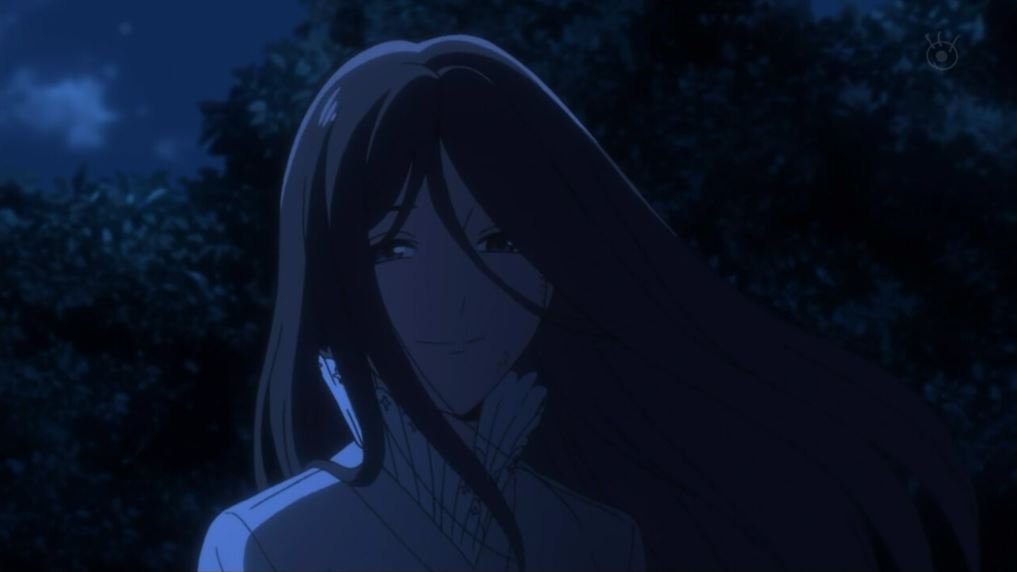
Isabella is one of the best antagonists in modern anime because she’s not a monster. She’s a person shaped by a monstrous system. She’s terrifying because she’s competent, observant, and always three steps ahead. But she’s also lonely, compromised, and heartbreakingly human.
The final episode pulls the rug out from under you. When her backstory arrives, it doesn’t excuse her at all, but it does contextualise her. You suddenly see the machinery she’s trapped within, the choices she never really had, and the cost of survival in a world that punishes hope. That last moment, when she watches the children she raised slip beyond her reach, is one of the most quietly devastating scenes in the genre. It’s not redemption. It’s recognition. And it hurts.
The whole production feels so solid, and the direction is immaculate. Season 1 is a masterclass in pacing, visual storytelling, sound design, and emotional restraint. I love that the show trusts the audience. It doesn’t over‑explain. It doesn’t spoon‑feed. It lets silence do the heavy lifting. It lets the children’s fear sit in the air. It lets the viewer connect the dots, and that makes the horror feel earned rather than imposed.
The ending is cathartic, terrifying, and beautiful. The escape sequence is everything the season has been building toward: clever, desperate, hopeful, and heartbreaking. It’s a victory, but not a clean one. It’s freedom, but not safety. It’s the kind of ending that leaves you staring at the credits, emotionally concussed, wondering how a show that started with warm lighting and lullabies managed to carve its way under your ribs.
Put simply, season 1 of The Promised Neverland is a rare thing: a thriller that’s as emotionally intelligent as it is tense, as character‑driven as it is plot‑tight. It’s brutal, tender, clever, and devastating in equal measure.
I went in curious.
I came out wrecked.
I wouldn’t change a thing.
 No Rerolls