
In part 1 of our series, we explored the fundamentals of tabletop RPGs and their ability to provide an immersive escape into empowering fantasy worlds. As a reminder, here’s the plan for the series:
- An Introduction
- The Therapeutic Benefits of RPGs (you are here!)
- Community and Connection
- Game Mastering and Emotional Wellbeing
- Incorporating Self-Care into RPG Sessions
In this second installment, we will delve into the therapeutic benefits that tabletop RPGs offer, particularly in the realms of stress reduction, anxiety management, and self-esteem development.
Coping with Stress and Anxiety: The effects of stress on our brains and wellbeing are well-documented. Tabletop RPGs can serve as powerful tools for coping with stress and anxiety. Engaging in a fictional world allows players to temporarily detach from real-life pressures and immerse themselves in a controlled environment. The act of assuming a different character’s identity and navigating challenges can provide a much-needed respite, allowing players to refocus their attention and find a sense of relief from stressors.
Catharsis and Emotional Expression: These games offer a unique platform for emotional expression and exploration. I’ve always thought there’s a direct, tangible link to our own pasts and to the oral tradition of collaborative storytelling. Maybe that’s just me being a bit whimsical. Through their characters, players can delve into complex emotions and experiences in a safe and supportive environment. By confronting challenges and making choices within the game, players can process and explore their own feelings, gaining valuable insights and finding emotional catharsis.
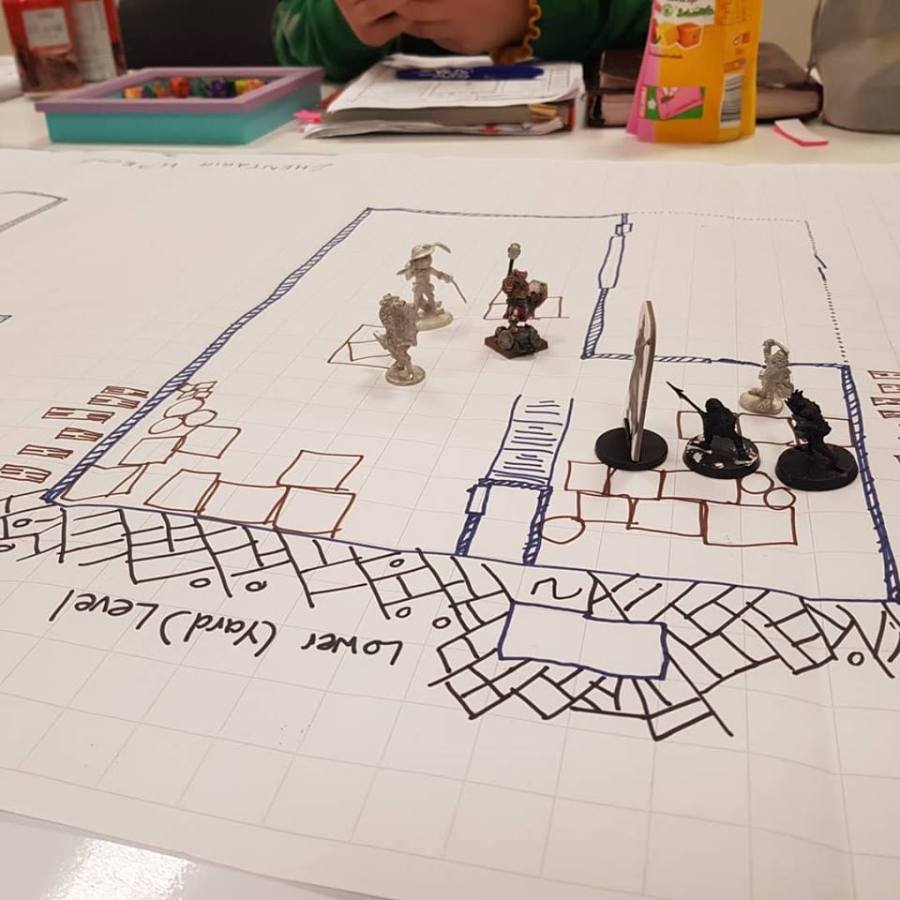
Building Self-Esteem and Empowerment: It’s important for people to have opportunities to develop and showcase their abilities. I feel that RPGs can provide these opportunities, fostering a sense of accomplishment and, in turn, self-esteem. As players overcome challenges, solve puzzles, and contribute to the narrative, they experience a tangible sense of achievement. Additionally, RPGs often emphasize collaborative problem-solving and teamwork, giving players the chance to shine individually and as part of a group, further boosting their confidence and those all-important social connections.
Enhanced Social Skills and Communication: Tabletop RPGs inherently involve communication, collaboration, and social interaction. Players must work together, negotiate conflicts, and engage in shared decision-making. This cooperative aspect of RPGs promotes the development of essential social skills, such as active listening, effective communication, and empathy. Players learn to understand and respect different perspectives, fostering stronger interpersonal connections both within and outside the game.
Cognitive Stimulation and Mental Flexibility: Players can engage in complex narratives that require critical thinking, problem-solving, and creative decision-making. The game mechanics, rules, and puzzles challenge players to think strategically and consider various possibilities. This cognitive stimulation not only keeps the mind sharp but also promotes mental flexibility and adaptability, which can have positive effects on overall mental well-being.

I believe that it is clear that Tabletop RPGs offer a range of therapeutic benefits. Through the immersive and collaborative nature of these games, players can find solace, empowerment, and personal growth. This is something I’ve tried to embed in my own practice. This was previously recognised in the feedback to the writeup of my use of Tabletop RPGs with autistic children during my postgraduate study at the University of Birmingham, for which I received a distinction.
In the next part of our series, we will focus on the importance of community and connection in tabletop RPGs, exploring how these games create spaces for building relationships, combating social isolation, and promoting a sense of belonging. Join us as we continue to uncover the transformative potential of tabletop RPGs for mental health and well-being.
 No Rerolls
7 Comments