
This article is part of a retrospective series marking the 10th anniversary of Warhammer: Age of Sigmar. From the shattering of the Old World to the rise of the Mortal Realms, we’re exploring a decade of mythic storytelling, strategic evolution, and community transformation. Whether you marched with the first Stormcast or joined the fray in the Age of the Beast, this series is for you: the generals, the lorekeepers, the hobbyists, and the dreamers. Welcome back to the Mortal Realms.
Series Contents:
- Introduction: The Storm Breaks
- The Shattering of the Old World (you are here)
- Editions through the years
- Factions and Icons
- Community and Culture
- Thematic Legacy and Design Philosophy
- The next 10 years
Endings, Echoes, and the Birth of a New Myth
Before there was Sigmar’s thunder, there was silence, and then fire.
In 2015, Games Workshop detonated the Warhammer Fantasy setting in an apocalyptic narrative event known as the End Times. Beloved characters perished. Nations fell. The world cracked and burned. And with the death of the Old World came the birth of something entirely new. For many fans, it was a moment of heartbreak. For others, it was the most audacious act of creative reinvention the company had ever attempted.
The Old World was gone. Not rebooted. Not retconned. Gone.
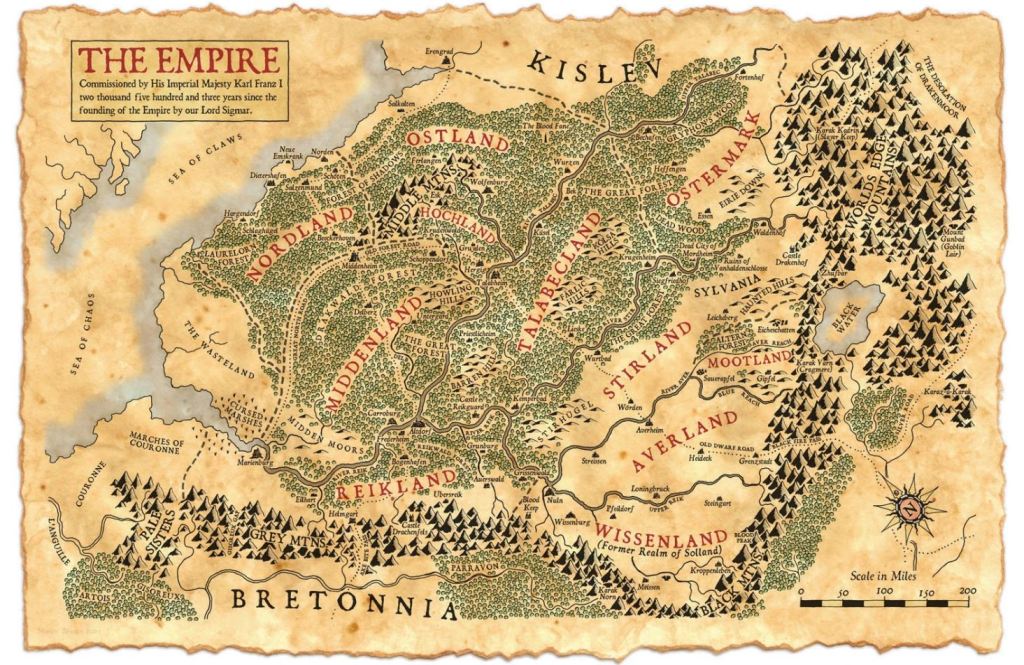
The Old World had been a fixture of tabletop gaming for over three decades—a grim, pseudo-European setting steeped in gothic horror, political intrigue, and slow-burning escalation. It was a world where empires crumbled under Chaos incursions, where dwarfs held grudges for centuries, and where the undead rose with terrifying inevitability.
To longtime players, the destruction of that world felt personal. Armies they’d collected for years were suddenly unsupported. Characters they’d grown up with – like Karl Franz, Teclis, and Thanquol – were either obliterated or transformed beyond recognition. The forums lit up with grief, anger, and confusion. Was this really the end?
Yes… and no.
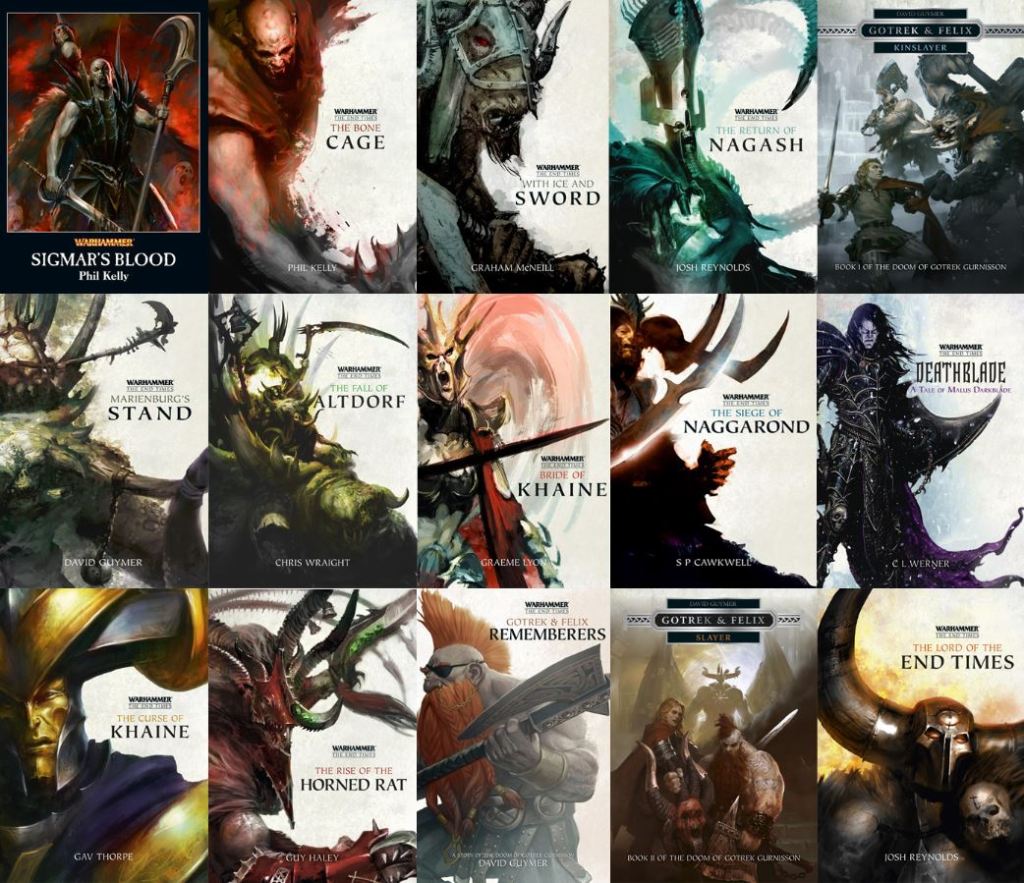
The End Times was a massive narrative event that allowed Games Workshop to advance the story of the Old World considerably. One could argue it was advanced too quickly, but it did give the company a chance to let some of their fantastic authors loose on classic characters. A lot of books were released, and page after page of new lore was created.
The End Times was not just a narrative event; it was a creative crucible. The ever-present danger of Chaos was dialled up to 11 and factions cracked under the strain. Games Workshop burned away the constraints of the Old World and attempted to forge something mythic in its place. The Mortal Realms weren’t bound by geography or realism. They were elemental, symbolic, and surreal. A realm of fire could be a continent-sized battlefield. A realm of death could be a spiral of necrotic logic. The rules of physics bent to the will of gods and monsters.
This shift wasn’t just aesthetic, it was philosophical. The Old World was a history book. The Mortal Realms were a myth.
In the lore, Sigmar himself survives the destruction of the Old World, clinging to the core of the dying planet. He is reborn in the cosmos, discovers the Mortal Realms, and begins to shape them. This mirrors the real-world transformation: Games Workshop, holding onto the core of its fantasy legacy, reforged it into something new.
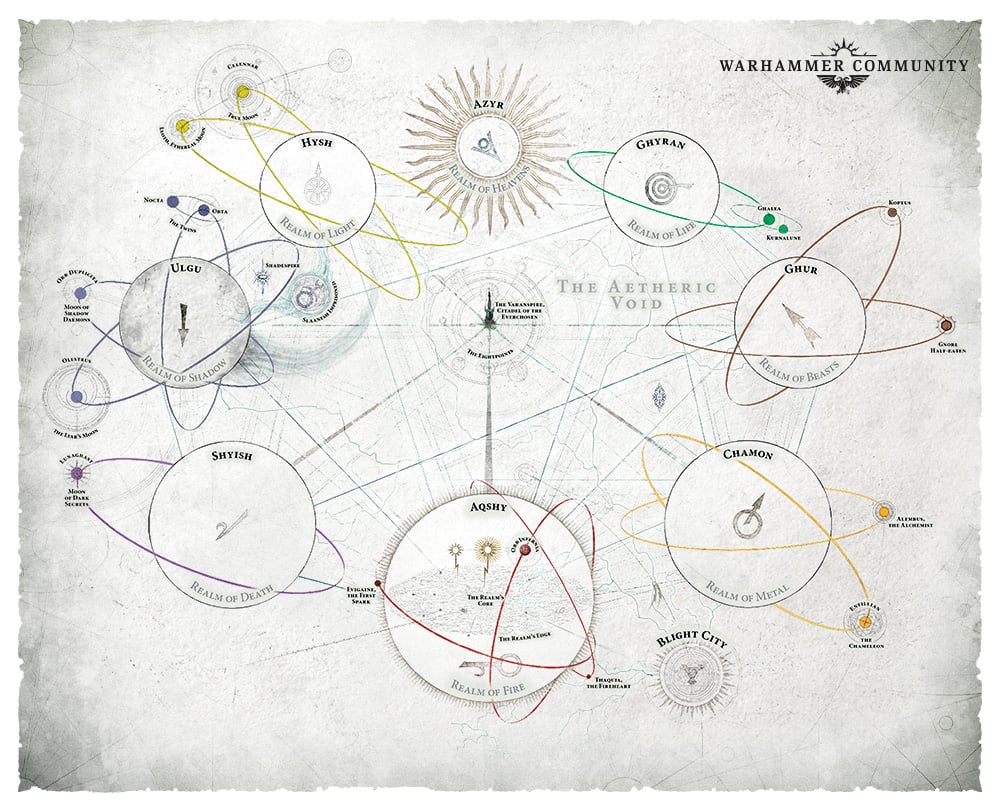
Sigmar’s reforging wasn’t just a narrative conceit—it was a metaphor for the studio’s own evolution. Despite the cataclysm, the Old World never truly vanished. Its echoes live on in the Mortal Realms:
- The Empire became the Cities of Sigmar.
- The Vampire Counts evolved into the Soulblight Gravelords.
- The Lizardmen ascended into the celestial Seraphon.
- Even the Skaven, ever-scheming, scurried into the new setting almost unchanged.
These echoes gave longtime fans a thread of continuity; a way to mourn, remember, and move forward. We’ll talk about these factions in Part 4.
The shattering of the Old World was painful. It was also necessary. It cleared the ground for a new kind of fantasy; one that embraced the mythic, the surreal, and the divine. Age of Sigmar was not born cleanly. It was born from fire, grief, and ambition.
And like any great myth, it began with an ending.
 No Rerolls
2 Comments