

In our exploration of tabletop roleplaying games (RPGs) and their impact on mental health, we have examined the immersive and therapeutic benefits they offer. Before we move on, let’s remind ourselves of the plan for the series:
- An Introduction
- The Therapeutic Benefits of RPGs
- Community and Connection (you are here!)
- Game Mastering and Emotional Wellbeing
- Incorporating Self-Care into RPG Sessions
In this third installment, we shift our focus to the profound social impact of tabletop RPGs, emphasizing the role they play in fostering community, building connections, and combatting social isolation.
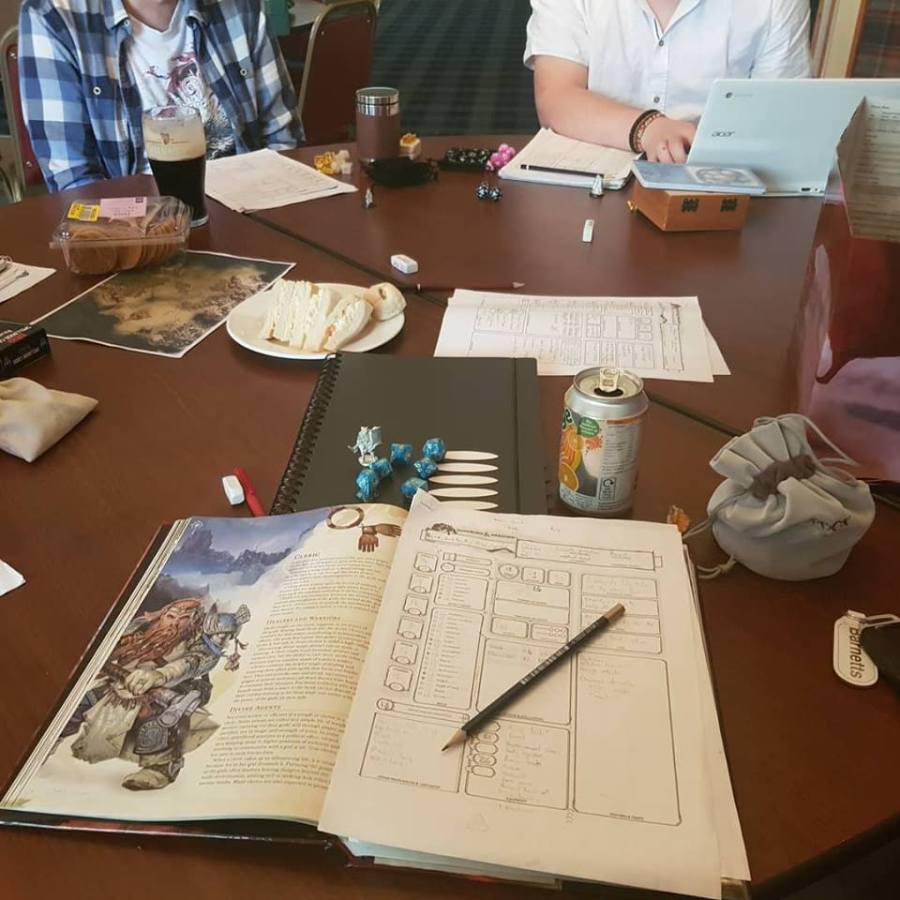
Creating a Sense of Belonging: These games provide a space where individuals with shared interests can come together, fostering a sense of belonging and camaraderie. Certainly, it’s something I’ve certainly benefitted from. Whether played with friends, family, or within gaming communities, RPGs create a common ground where participants can connect, bond, and form meaningful relationships. This sense of belonging can have a profound impact on mental well-being, reducing feelings of loneliness and enhancing overall happiness.
Collaborative Storytelling and Teamwork: Tabletop RPGs are inherently collaborative experiences that require teamwork and cooperation among players. In these games, participants work together to navigate challenges, solve puzzles, and progress through the story. The collaborative nature of RPGs encourages open communication, active listening, and the development of problem-solving skills. Through these shared endeavors, players build strong bonds and learn to rely on each other, fostering a supportive network that extends beyond the game table.
Communication and Empathy: We are social creatures who need to be able to communicate in order to truly thrive. Roleplaying games provide a unique platform for practicing and refining communication skills. Players must articulate their character’s actions, engage in dialogue, and negotiate with others. These interactions cultivate effective communication skills, such as expressing ideas clearly, active listening, and respecting differing perspectives. Additionally, the process of roleplaying allows players to step into the shoes of their characters, fostering empathy and understanding for different personalities, backgrounds, and motivations.
Challenging Social Isolation: Social isolation and loneliness can have profound and lasting detrimental effects on mental health. Tabletop RPGs offer a powerful antidote to these challenges by providing opportunities for social connection and interaction. By engaging in regular gaming sessions, individuals can combat social isolation, forge new friendships, and strengthen existing relationships. The shared experiences and collaborative storytelling in RPGs create bonds that extend beyond the gaming table, leading to a supportive and inclusive community. This point is particularly important to me, as it mirrors my own experience.
Diverse and Inclusive Communities: Tabletop RPG communities are known for their diversity and inclusivity, particularly in recent years. These games attract individuals from many backgrounds, ages, genders, and cultures. Inclusive game environments promote acceptance, respect, and celebration of differences, fostering a welcoming space for all participants. This diversity enriches the gaming experience and enhances the sense of community, allowing for a broader range of perspectives and fostering a culture of understanding and appreciation.

Community is key! Tabletop RPGs have a remarkable ability to build communities, establish and develop connections, and combat social isolation. Through collaborative storytelling, teamwork, effective communication, and an inclusive environment, these games provide a space where individuals can find a sense of belonging and build lasting relationships.
In the next part of our series, we will explore the role of Game Masters (GMs) in tabletop RPGs and their potential impact on emotional well-being. Join us as we continue to uncover the transformative power of tabletop RPGs for mental health and social connections.
 No Rerolls
I just want to say, I love this series. Very insightful, and you’re making me want to find an RPG group 😃
LikeLike