

The heroes that we play in our roleplaying games are bound by quests, destinies, and (often) the pursuit of virtue. Yet, lurking in the shadows, a different kind of character beckons: the iconic villain. With motivations as diverse as the heroes they oppose, these antagonists play a crucial role in shaping narratives. Following on from previous discussions on morality in RPGs, it seems natural today to explore the artistry behind crafting villains that leave a mark, forever etched in the annals of RPG lore.
Gone are the days of mustache-twirling evildoers who plot for world domination. Where they do exist, it’s often as a pastiche or for comedic effect. Modern RPGs embrace villains as more than just obstacles to overcome; they are complex individuals driven by motives that demand exploration. Crafting a memorable villain requires delving into their backstory, psychology, and aspirations, creating characters whose actions resonate beyond mere malevolence.
In the dance of hero and villain, contrasts emerge as a storytelling gem. A well-crafted villain stands as a mirror to the hero’s virtues, drawing attention to their strengths while testing their convictions. This interplay transforms the conflict into a dynamic narrative that questions not only the heroes’ prowess but also their very essence.

Villains should be driven by desires as compelling as those of the heroes they face. Whether seeking revenge, power, or ideological change, the motivations behind their actions should resonate with players. These motivations unveil layers of humanity within villains, making their choices and decisions all the more captivating. These motivations must be compelling enough to be persuasive because they have already succeeded in prompting actions from the villain.
Just as heroes can traverse paths of redemption, so can villains. The art of crafting an iconic antagonist lies in exploring this possibility of redemption, as we discussed last week. This journey should challenge players’ perceptions, forcing them to question whether villains can be salvaged or if their darkness is absolute. Of course, if the players are not about to forgive or help the villain, this has implications for their own moral standing, too. For every decision, a consequence.
Villains also wield a hidden power that extends beyond direct confrontation. Their actions shape the world, causing ripples that influence societies, cultures, and the very fabric of the narrative. In the aftermath of their schemes, heroes grapple with the consequences, leaving players to ponder the intricate web of cause and effect.
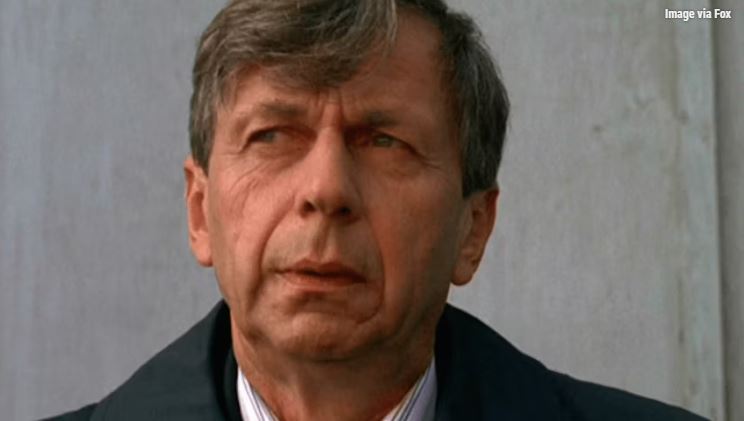
Some of the most memorable villains resonate not with hatred, but with empathy. These characters possess vulnerabilities and traumas that mirror our own, evoking a sense of understanding despite their wicked deeds. The line between hero and villain blurs, challenging players to grapple with the duality of human nature.
An iconic villain that succeeds in embodying the principles we’ve discussed today will linger in players’ minds long after the dice stop rolling. Crafting such an antagonist requires a deft touch—a blend of charisma, cunning, and gravitas that leaves an indelible mark on the story’s legacy. These villains transcend the confines of the game, becoming legends whispered across gaming tables.
Ultimately, villains are more than just adversaries. They are architects of conflict, catalysts of growth, and mirrors that reflect the essence of heroism. The art of villain crafting intertwines psychology, situation, and consequence, forming characters whose actions resonate with players on a profound level. So, as you embark on epic quests and face challenges both physical and moral, remember that the mark of an RPG’s greatness often lies in the shadows cast by its most memorable villains.
 No Rerolls
Such a good article. Really enjoyed that.
I kept thinking about the one and only time I played Dungeons and Dragons. Playing the Curse of Strahd, it felt the whole time like he had this lingering presence within everything we came across.
LikeLike
Your DM did a good job, then. You shouldn’t SEE Strahd a whole lot, but your should definitely FEEL him.
LikeLiked by 1 person