

Gaming etiquette is something I’ve written about before. It matters. We all engage in a fundamentally social hobby and although the games are important, they are ultimately a social scaffold to support positive, fun interactions. The fact that these games are social scaffolds might go some way to explain why so many of us don’t necessarily find social situations all that easy. So, with that said, let’s delve into the world of gaming etiquette and explore how to be a gracious player. Whether you’re gathered around a board game table or participating in an online RPG session, good sportsmanship and respectful behavior enhance everyone’s experience.
1. Learn the Rules and Teach Others:
Take the time to understand the game rules thoroughly. If you’re more experienced, help new players learn the ropes. Turning up with a new game that you have no idea how to play might be exciting, but it’s not helpful, and it can lead to really significant frustration among the group.
Once you have learned the rules, be patient and explain rules without condescension. It’s great when players can relate rules to other games they have played to aid understanding, but we don’t all have the same points of reference. Remember that everyone starts somewhere.
2. Be a Good Winner and a Gracious Loser:
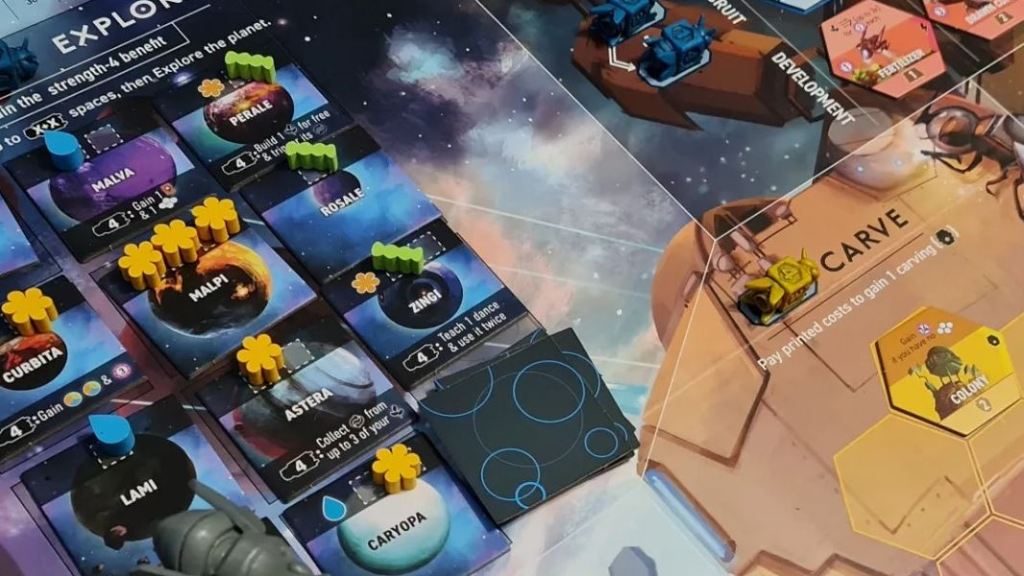
Celebrate victories, but avoid gloating. Nobody likes a sore winner. This one also takes a bit of judgement, as all groups are different with different expectations and standards.
When you lose, you should likewise maintain a positive attitude. We all lose sometimes, and it can sting when it’s a long, closely-contested game. That doesn’t mean it’s acceptable to vent your frustrations onto others. Congratulate the winner sincerely, as you’d expect them to congratulate you.
3. Avoid Analysis Paralysis:
Some games require strategic thinking, but don’t overthink every move. You must keep the game flowing. It’s very frustrating when a multi-hour game drags on far longer than it should due to this.
I must admit that this is a pet peeve of mine. It’s one of the few times that I find myself getting genuinely ratty, when not only am I losing (which I normally don’t mind), but I also feel that my opponent is dragging things out for no real reason.
If you’re someone who is prone to analysis paralysis, set a time limit for decisions, even if it’s just a personal one.
4. Pay Attention During Others’ Turns:
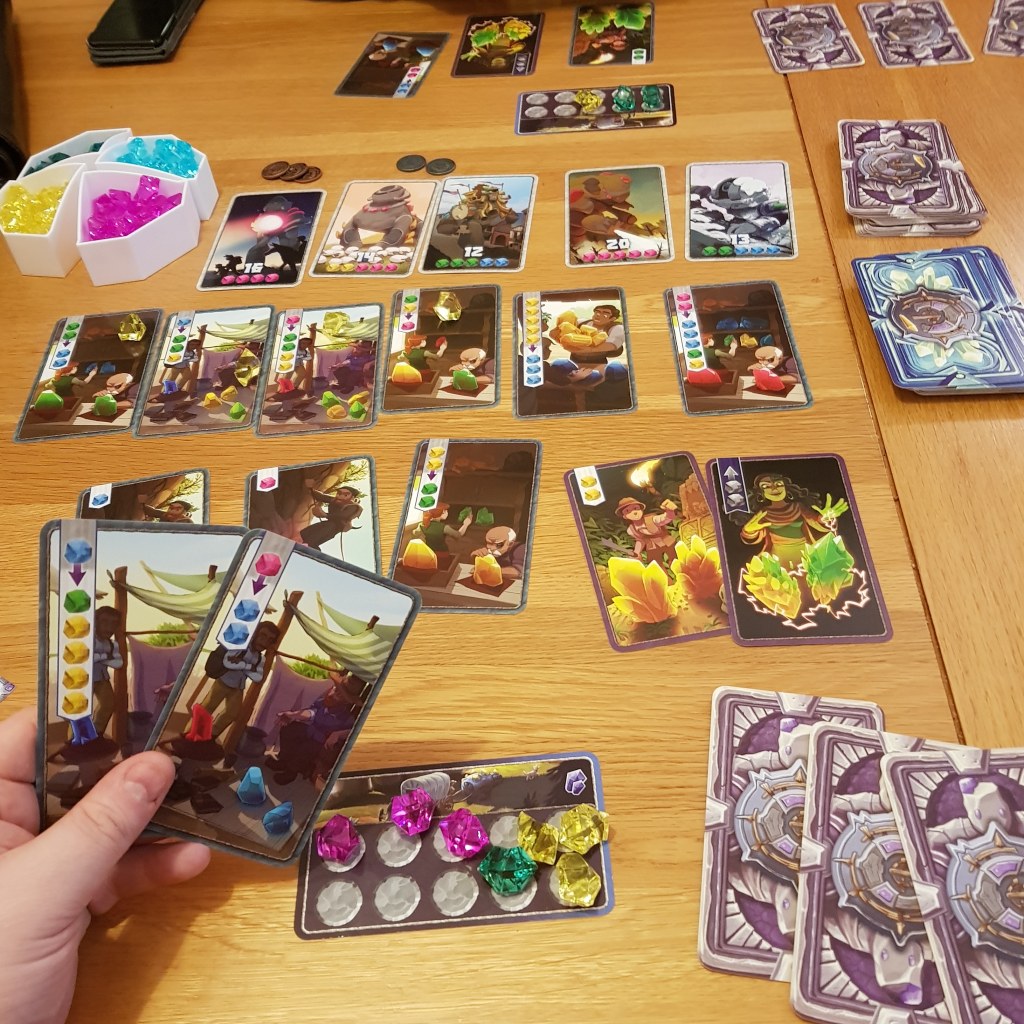
Respect other players’ moments. Pay attention to their moves and decisions. Celebrate their successes and good decisions. Engage in discussion where appropriate.
Avoid distractions like checking your phone or daydreaming during someone else’s turn. This does become a little more difficult if you’re playing an analysis paralysis-prone opponent, but engaging positively with them might help them to come to a decision.
5. Be Mindful of Table Talk:
In cooperative games, communicate openly with your team whilst trying not to dominate the conversation. It’s really important in these games that players maintain their own agency and can contribute meaningfully. They should not feel that they are mere vassal through which one or two players exert their wills.
In competitive games, maintain a positive buzz whilst avoiding revealing too much strategy or giving away your intentions. There’s also a fine line between a bit of playful misdirection, which can be fun, and just actively lying to your opponent. Sometimes this can be in the spirit of the game (Cosmic Encounter, A Game of Thrones), but in others it’s just dickish. Don’t be dickish. Read the table.

6. Clean Up After Yourself:
Whether it’s physical components or digital platforms, tidy up your area after playing. As in other areas of life, it’s quite frustrating when someone helps to create a mess, but does not wish to help clean it up.
Respect shared spaces and leave them as you found them. This is particularly true when someone brings in a game that needs some organisation of components. That’s most games, really. Respect the owner’s wishes in how they want their game packed away.
7. Handle Disagreements Gracefully:
Disagreements happen. If there’s a rule dispute, consult the rulebook or seek consensus. If you’re at a club, it can be useful to ask someone else who is familiar with the rules, or just a neutral party to give their reading of a particular rule.
Whatever approach you take to resolving a disagreement, you must avoid heated arguments. Remember that it’s just a game. You can always deal with the other person via voodoo doll when you get home.

8. Be Inclusive and Respect Boundaries:
Welcome new players and make them feel comfortable. This is especially important in established clubs and groups. It’s hard to make new friends as an adult, and if someone has been brave enough to come to your group, don’t make them regret it.
Be aware of personal boundaries, especially in roleplaying games. Respect others’ comfort levels. It might be worth considering the use of an X Card. I discuss how to use an X Card in this post.
9. Avoid “Alpha Gaming” in Cooperative Games:
We’ve kind of covered this, back in point 5, but this is such a prevalent problem that it bears specificity. In cooperative games, let everyone contribute. Avoid dominating decisions. Other players are people; not game pieces.
You can be the change you want to see by making sure that you personally encourage collaboration and listen to others’ ideas. Make it a point to model good behaviour in this regard.
10. Thank Your Group, and Your Host or Game Master:
Having completed a game, you have engaged in a share social experience. The other people in your group have given you this gift, just as you have gifted them with this experience. Recognise that. Thank them. It can mean a lot. I don’t need you to go overboard. I don’t need to write cards or hand out flowers, just a simple thanks will do.
If you’re playing at someone’s home or participating in an organised event, express gratitude to your host as well. They’ve provided a safe place for you to meet and play. That’s great! Thank them!
 No Rerolls
Good stuff
LikeLike
Great advice. While I’d like to think that these truths are universally acknowledged, I think there are probably a few players out there who would benefit from reminding themselves in some cases.
LikeLiked by 1 person
Plus we all have our own little moments.
LikeLike