

I should’ve known better than to trust that die. It had betrayed me before; rolling three natural ones in a row during a pivotal battle, wasting nat 20s on frivolous non-rolls… But I was feeling reckless. The party’s fate rested on a single roll: a daring leap across a collapsing bridge, carrying the unconscious druid to safety. I shook the die, whispered a silent prayer, and let it tumble across the table.
Natural 1.
The table erupted in laughter and groans as the DM described my character plummeting into the abyss. My friends declared the die cursed and banished it from play. I still keep it in my dice bag, a tiny reminder that, in the world of tabletop RPGs, luck, fate, and maybe even a little mischief reside in those small, plastic polyhedrals.
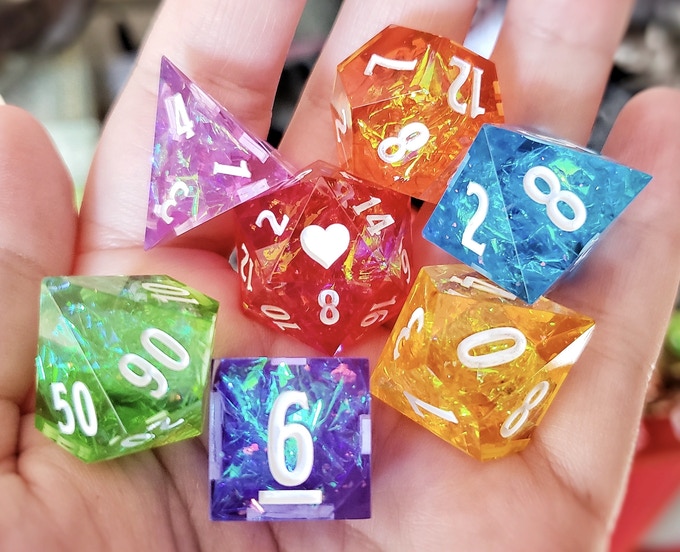
Every RPG table has at least one player with a superstition about their dice. Maybe they have a special “rolling spot” on the table, or they believe that a die needs to “charge” by sitting on a high number before use. Some players will banish dice that have betrayed them, exiling them to the bottom of a bag or even hurling them across the room in frustration. Others swear by elaborate rolling rituals; blowing on the die, whispering to it, or tapping it against a lucky mini.
This might seem like harmless fun (and it is), but it actually reflects a deep-seated human tendency toward superstition. Athletes wear lucky socks, gamblers have personal betting systems, and ancient civilisations used dice-like objects for divination. The idea that objects can carry luck, or that a specific ritual can influence fate, is hardwired into us. Even though we know, rationally, that a die is just a plastic polyhedron, that doesn’t stop us from believing – just a little – that it remembers.

Tabletop RPGs have a magic that scripted stories and video games rarely capture: true unpredictability. A novel unfolds according to its author’s plan, and a video game might have branching paths, but at its core, it follows pre-written logic. In an RPG, a single roll can derail the best-laid plans, turn a joke into a legendary moment, or transform a climactic duel into a tragic disaster.
It’s that uncertainty that makes the dice roll so thrilling. As the die tumbles across the table, there’s a split second where anything could happen. A natural 20 could mean a jaw-dropping moment of heroism, while a critical failure could spell disaster. That tension – between control and chaos, between planning and luck – is what keeps players at the edge of their seats. It’s what makes every moment at the table feel alive, no matter how many times you’ve played before.
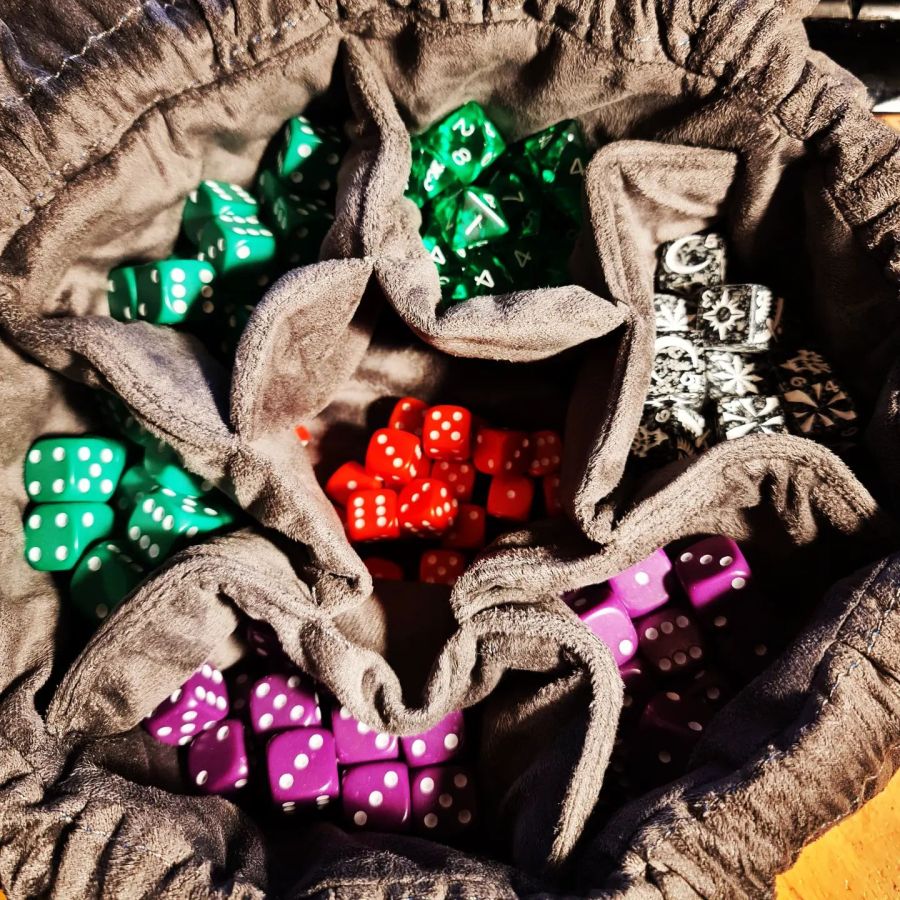
At some point, every RPG player stops seeing their dice as mere objects and starts treating them like characters in their own right. Some dice are loyal companions, always rolling high in crucial moments. Others are traitors, betraying their owners at every opportunity with a string of critical failures. There are dice that only work for specific characters, dice that seem to “warm up” after a few test rolls, and dice that go into time-out when they misbehave.
This habit of personifying dice isn’t just playful; it adds to the magic of the game. It turns a simple act of rolling into something rich with meaning. When a die that’s been “cursed” all session suddenly rolls a nat 20, the whole table reacts as if it just had a change of heart. And when a notoriously unlucky die continues its streak of misfortune, it becomes the party’s inside joke. These little stories, woven around the dice themselves, become part of the larger narrative of the campaign.
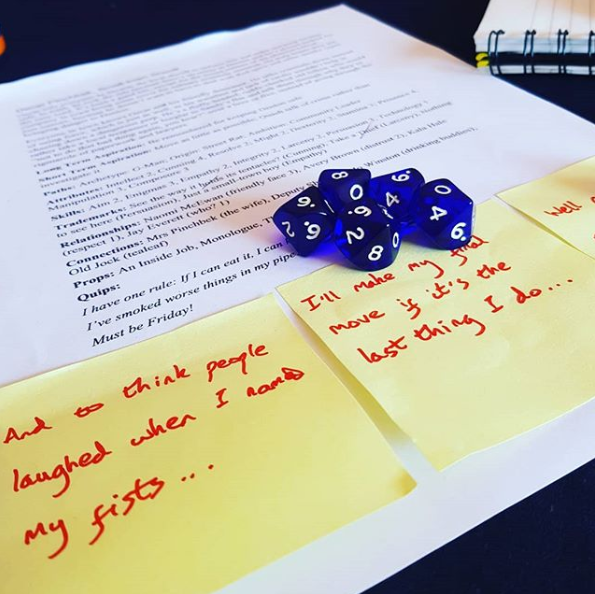
Superstitions about dice are irrational, of course. We know that each roll is just probability at work, unaffected by past results or whispered promises. And yet, we still talk to our dice, exile the ones that have failed us, and cherish the ones that roll well in clutch moments.
That’s because tabletop RPGs aren’t just about mechanics; they’re about storytelling, immersion, and belief. The randomness of dice is what makes these games thrilling, and treating them as fickle little agents of fate only deepens the experience. Whether we see them as lucky charms, mischievous tricksters, or merciless arbiters of destiny, one thing is certain: the dice know. Or at least, we like to think they do.
 No Rerolls
So true!
I remember my boys, pre-teens then, used to shout “One!” as their opponent rolled during one of the many WH40k buckets of dice rolls. It frustrated the Choas Space Marine player so much, because he rolled so few dice, and not killing tons off space elves just made him so frustrated. We had to house rule only silent chats when he rolled!
LikeLiked by 1 person