
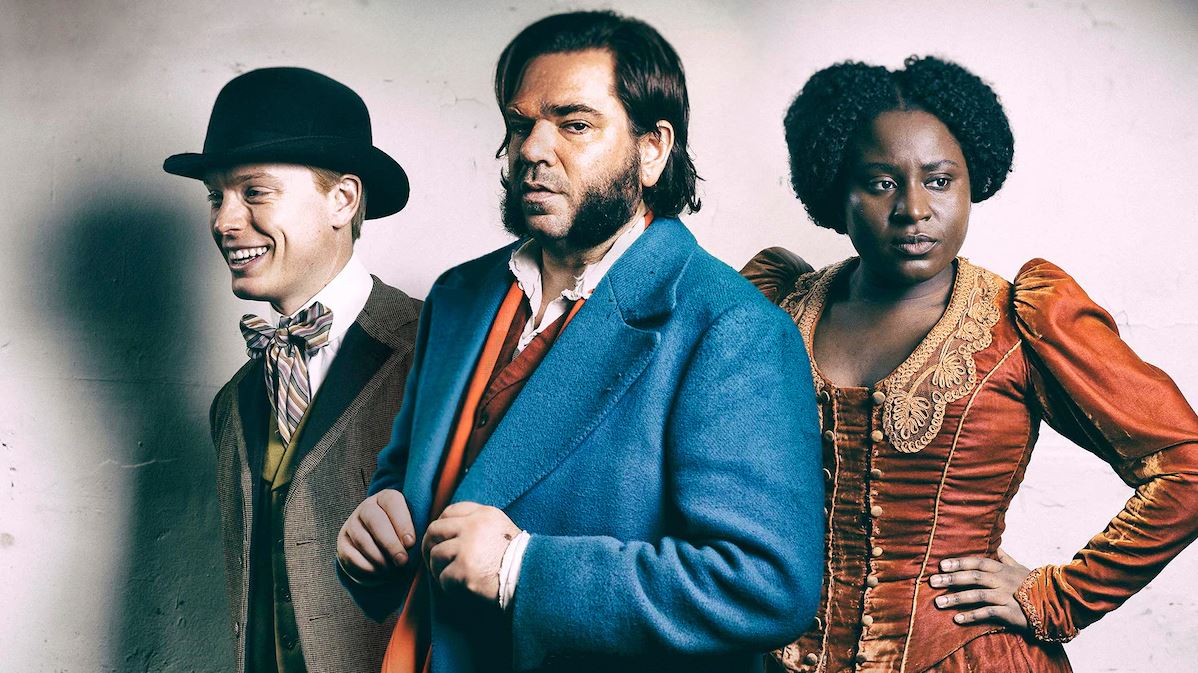
Released by Channel 4 in 2019, and now available on Netflix, Year of the Rabbit is a sitcom created by Kevin Cecil and Andy Riley. It stars Batt Berry, alongside Freddie Fox and Susan Wokoma. It also has Alun Armstrong. I like Alun Armstrong. This review is intended to be free of spoilers, but none of us is perfect. No review copy was provided.
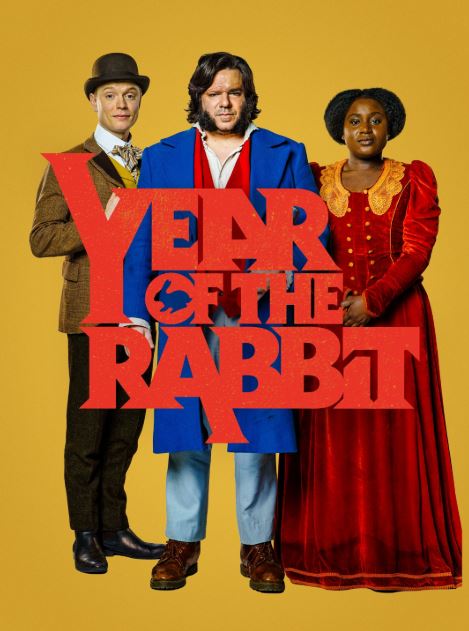
Year of the Rabbit is a bold, irreverent comedy that plunges into the murky streets of Victorian London with a swagger only Matt Berry could deliver. As Detective Inspector Eli Rabbit, Berry brings his trademark bravado and booming absurdity to a role that feels tailor-made for his talents. For fans of his work, this is familiar and welcome territory.
Berry’s performance is predictably magnetic. His portrayal of Rabbit – a grizzled, foul-mouthed detective with a penchant for violence and drink – is both ludicrous and oddly endearing. He’s supported by a capable cast: Freddie Fox’s wide-eyed Strauss and Susan Wokoma’s sharp, trailblazing Mabel Wisbech provide excellent counterpoints, grounding the show’s more outlandish moments with sincerity and wit.
Hark, a trailer:
The supporting cast is also excellent, with two particularly excellent performances that I wish to mention: those of Sally Phillips and Alun Armstrong. Both performers bring a delightful dose of eccentricity and gravitas to Year of the Rabbit’s supporting cast. Phillips – ever the scene-stealer – plays Princess Juliana of Bulgaria, a gloriously over-the-top, pansexual aristocrat with a penchant for firearms and flamboyance. Her performance is knowingly absurd, and she clearly relishes every moment of it, adding a surreal edge to the show’s already anarchic tone. Armstrong, meanwhile, grounds the chaos as Chief Inspector Wisbech, Rabbit’s long-suffering superior and Mabel’s adoptive father. With his trademark gruffness and impeccable comic timing, Armstrong lends the series a touch of old-school authority, even as he’s swept up in its most ludicrous moments. Together, they deliver performances that are perfectly pitched to the show’s irreverent spirit.
The show’s production values are also commendable. The grimy, richly detailed sets and period costumes lend authenticity to the chaos, while the music and cinematography add a cinematic flair that elevates the comedy beyond mere sketch.
Year of the Rabbit is packed with standout moments, but here are two that really capture its offbeat charm:
- The “Brick Man” episode is a gleeful parody of urban legends and Victorian hysteria. When a mythical creature supposedly returns to terrorise London, the investigation spirals into a wonderfully ludicrous conspiracy involving explosives, folklore, and a suspiciously high-ranking official. It’s a perfect showcase of the show’s ability to blend mystery with absurdity.
- Strauss and Mabel going undercover in rival gangs is another gem. Their attempts to infiltrate the criminal underworld are as inept as they are hilarious, with Mabel’s sharp instincts clashing brilliantly with Strauss’s wide-eyed cluelessness. It’s a great example of how the show balances slapstick with character-driven comedy.
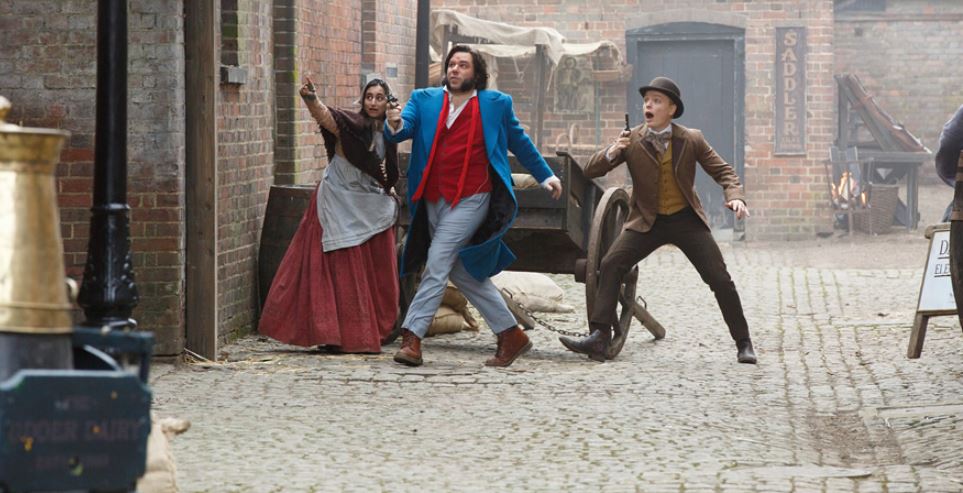
Where Year of the Rabbit does stumble is in its pacing and tonal balance. Yes, I know, it wouldn’t be one of my reviews without me moaning about pacing. The show barrels forward with relentless energy, but not every joke lands, and some episodes feel more like a string of gags than cohesive narratives. The absurdity, while often hilarious, occasionally overwhelms the plot, making it harder to invest in the mystery elements that underpin each episode.
Compared to Berry’s other work, particularly Toast of London, Year of the Rabbit can feel less refined. The satire is sharp, but not always focused, and the show sometimes leans too heavily on shock value rather than character-driven humour.
Despite its flaws, Year of the Rabbit is a wildly entertaining series that showcases Matt Berry at his most unhinged and charismatic. It may not reach the comedic heights of his best work, but it offers a unique blend of period drama parody and slapstick that’s hard to find elsewhere. For fans of Berry’s offbeat style, it’s a must-watch. For others, it might be an acquired taste, but one worth sampling.
 No Rerolls
2 Comments