
This article is part of a retrospective series marking the 10th anniversary of Warhammer: Age of Sigmar. From the shattering of the Old World to the rise of the Mortal Realms, we’re exploring a decade of mythic storytelling, strategic evolution, and community transformation. Whether you marched with the first Stormcast or joined the fray in the Age of the Beast, this series is for you: the generals, the lorekeepers, the hobbyists, and the dreamers. Welcome back to the Mortal Realms.
Series Contents:
- Introduction: The Storm Breaks
- The Shattering of the Old World
- Editions through the years (you are here)
- Factions and Icons
- Community and Culture
- Thematic Legacy and Design Philosophy
- The next 10 years
Ten Years, Four Editions, Infinite War
Age of Sigmar has never stood still. Over the past ten years, it has evolved through four major editions, with each one reshaping the battlefield, refining the rules, and deepening the lore. What began as a bold (possibly foolhardy?) experiment has become a flagship system, with each edition marking a new chapter in the saga of the Mortal Realms.
Let’s walk through the storm, one edition at a time.
1st Edition (2015): The Age of Uncertainty
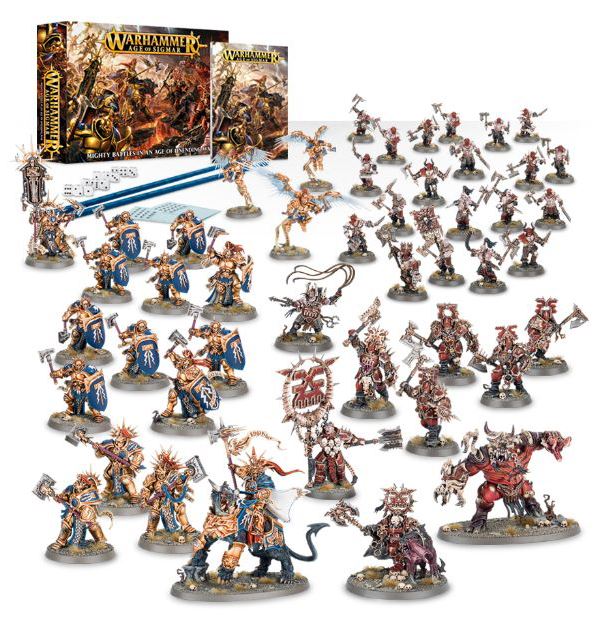
- Core Themes: Simplicity, divine war, mythic rebirth.
The first edition of AoS was a radical departure. It launched with four pages of core rules, no point values, and a tone that felt more mythic epic than military simulation. It emphasised narrative freedom and hobby creativity, but at the cost of balance and clarity. The Realmgate Wars campaign books introduced the setting’s cosmology, but many players were left adrift.
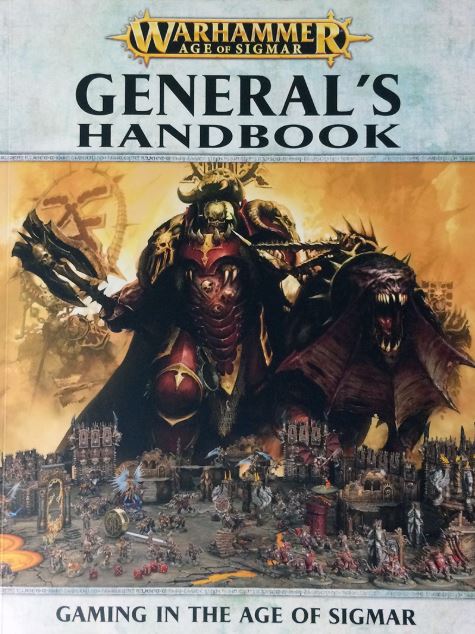
Fan-made adaptations introduced early attempts to balance the games with points values for units, sometimes based on total number of wounds. Games Workshop, to their credit, listened to the complaints and the desire for balance and a more traiditonal structure around the game, and introduced the first General’s Handbook, which focused on matched play and reintroduced points-based army building.
The seeds were planted. The Stormcast Eternals became the face of the game, and the idea of realms as narrative canvases began to take hold.
2nd Edition (2018): The Soul Wars Begin
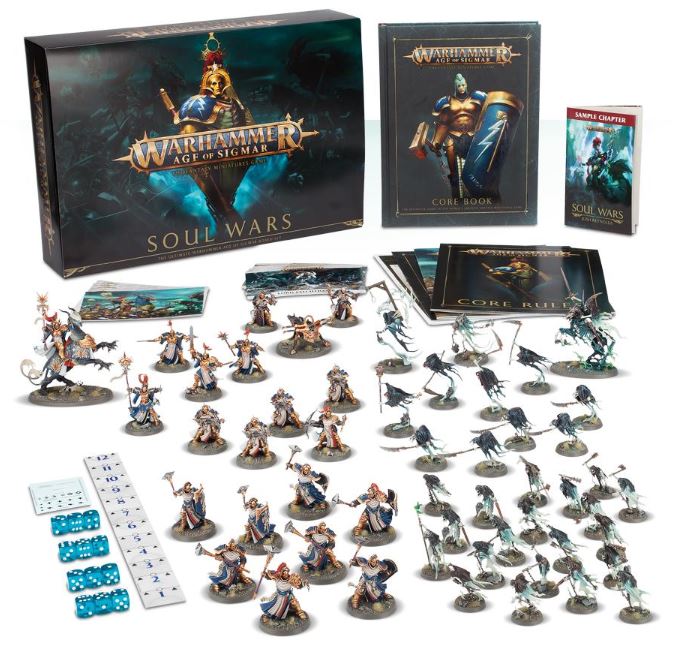
- Core Themes: Death ascendant, narrative depth, structured play.
Second Edition was AoS’s first major course correction. It introduced a more robust ruleset, formalised matched play into the core rules, rather than in a supplement. The lore deepened with the rise of Nagash and the Necroquake, which shattered magic across the realms and unleashed the spectral Nighthaunt.
Narrative play blossomed here, with Malign Portents offering prophecy-driven campaigns and character development. This was followed up by the edition-ending Broken Realms campaign. This campaign brought new rules, miniatures, bundles, and lore. It was a celebration of the growing game and setting.
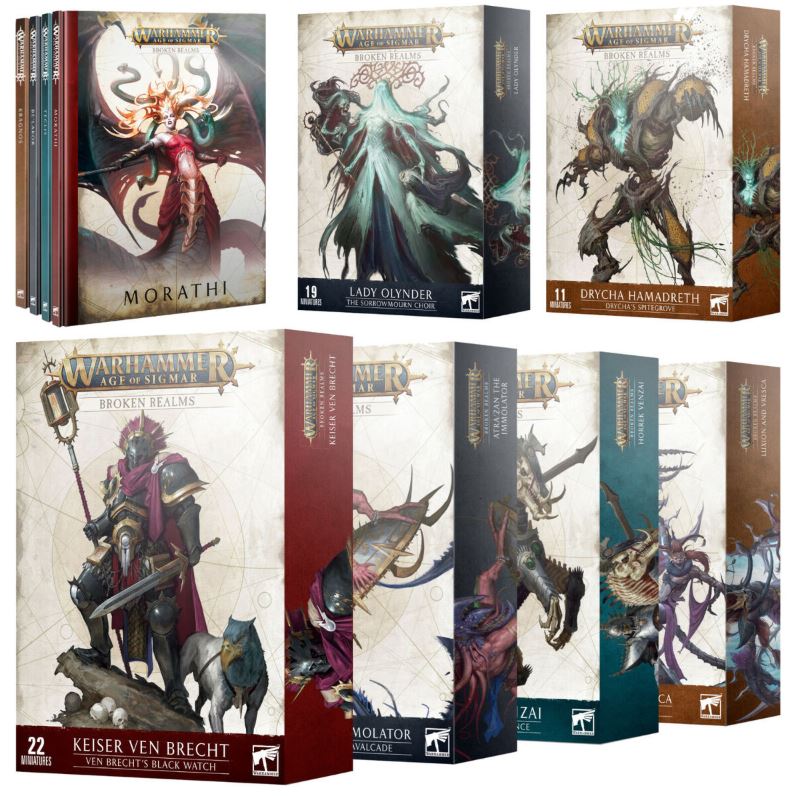
As the second edition wound down, Age of Sigmar was beginning to feel like a living world; one where your army’s story mattered.
3rd Edition (2021): The Age of the Beast
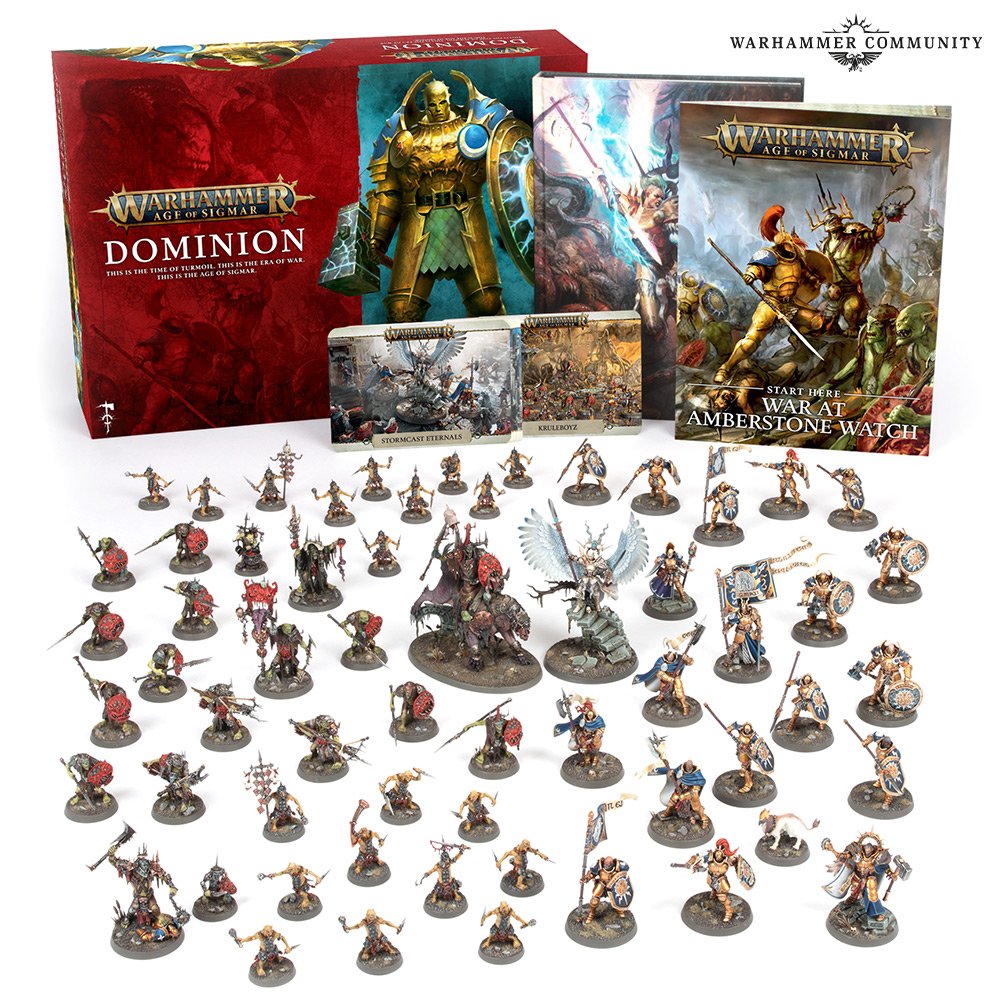
- Core Themes: Order vs. primal chaos, reforging identity, grassroots warfare.
Third Edition brought a real cinematic polish and a thematic shift. The realms were no longer just battlegrounds; they were characters. Ghur, the Realm of Beasts, took centre stage, and the Kruleboyz introduced a new flavour of cunning brutality. The Stormcast Eternals received a visual and narrative overhaul, slimming down many of the models to better differentiate them from comparisons with Warhammer 40,000’s Space Marines, and emphasising the cost of reforging.
Mechanically, this edition refined core gameplay with heroic actions, monstrous rampages, and a more dynamic turn structure. Path to Glory was reimagined as a full-fledged narrative system, allowing armies to grow, suffer, and evolve over time. The Path to Glory sections of each Battletome became some of the highlights of these volumes, and certainly gave plenty of opportunity for designers to exercise their creativity.
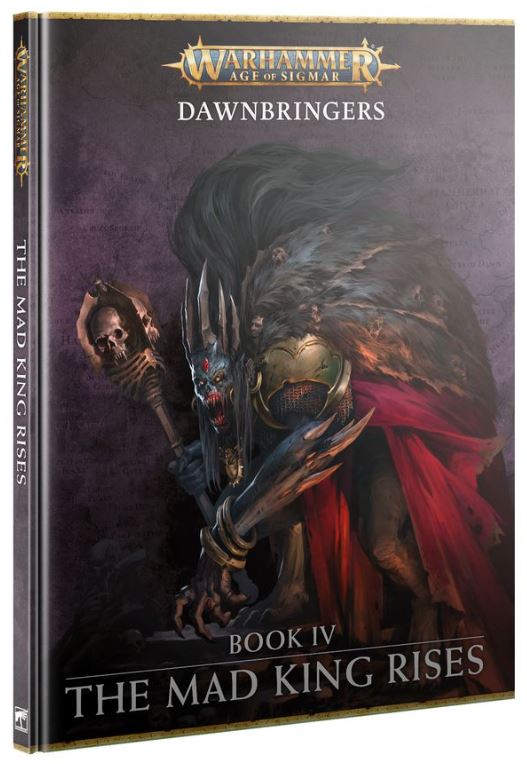
The Dawnbringers campaign ended the edition with some really compelling, interesting books. I particularly liked book 4, not so much for the focus on my beloved Flesh-Eater Courts, but more for the multiplayer rules it introduced.
4th Edition (2025): Skaventide and the Reforged Realms
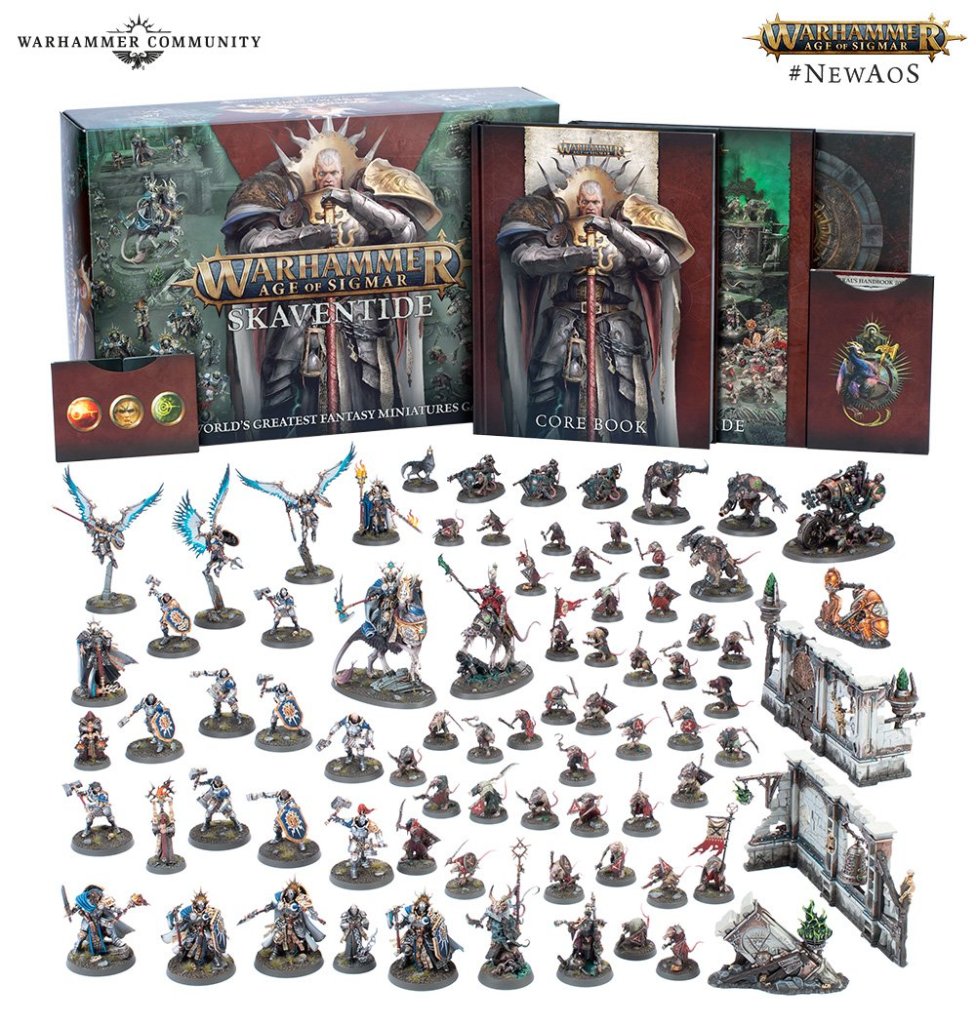
- Core Themes: Chaos resurgence, divine reckoning, realm-wide creeping corruption.
The current edition – launched with the Skaventide box – marks a return to high-stakes conflict. The Skaven, long lurking in the shadows, have surged into the spotlight, threatening the very fabric of the realms. The Stormcast Eternals, now reforged with new lore and models, face a crisis of purpose.
4th Edition introduces modular terrain rules, realm-specific battlepacks, and a renewed emphasis on faction identity. It’s a culmination of the past decade’s lessons—streamlined, thematic, and deeply customizable.
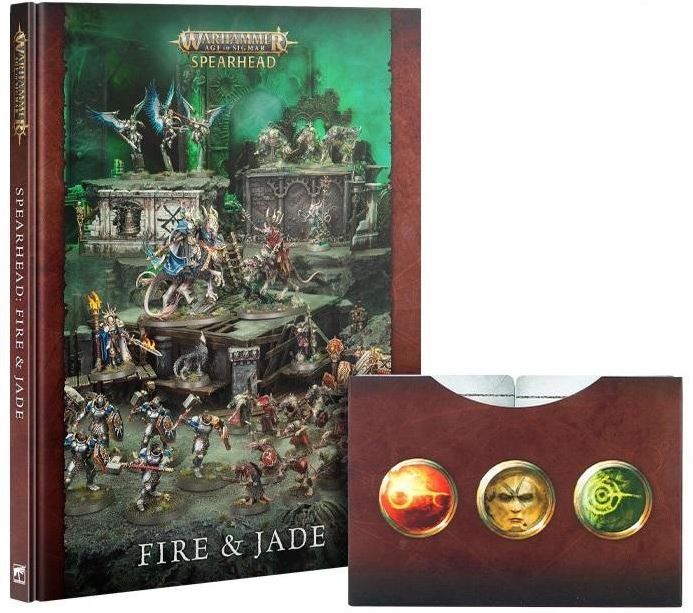
This edition also brought with it a really solid system for low-point games. This is an area where Warhammer has not always shone. The games have always had a sweet spot where armies are a certain size that really work with the systems. Going above or below them can cause the game to get clunky, cumbersome, or just unsatisfying. Spearhead, a fixed-army format for Age of Sigmar, really works. It’s a lot of fun, is quick and elegant, and is still worth playing even once you have armies that can play the full game.
Each edition of Age of Sigmar has been a response; whether to player feedback, to narrative developments, or to the evolving identity of the game itself. What began as a stripped-down experiment has become a rich, layered system that supports competitive play, narrative campaigns, and everything in between.
The Realmgates didn’t just open once. They’ve opened again and again, each time revealing a new facet of the Mortal Realms, and of the players who inhabit them.
 No Rerolls
2 Comments