

Marvel’s Doctor Strange films are, on the surface, kaleidoscopic spectacles of spellcraft and multiversal peril. But beneath the swirling portals and time loops lies a surprisingly nuanced meditation on belief, control, and the mutable nature of reality; themes with which Mage: The Ascension has been wrestling since the ’90s.
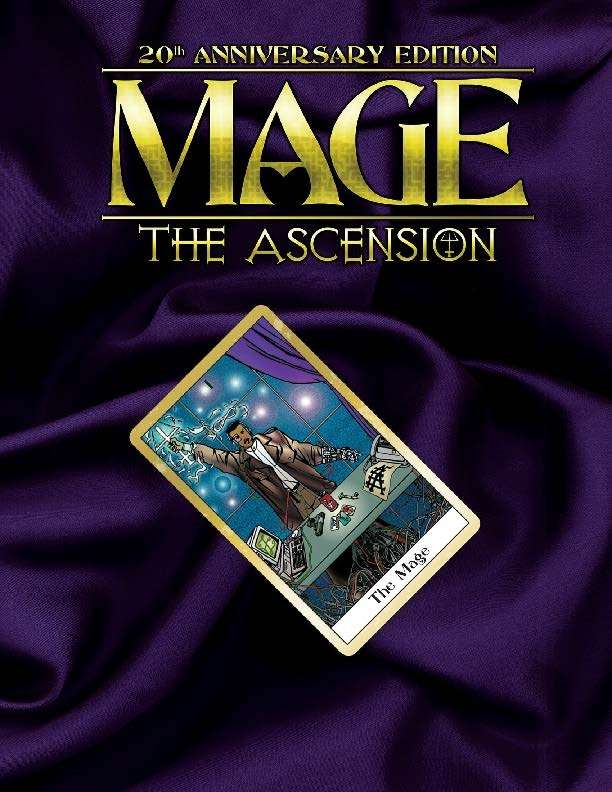
As a long-time devotee of Mage and the wider World of Darkness, I found myself watching Multiverse of Madness not just as a fan of superhero cinema, but as a storyteller steeped in the metaphysics of paradigms and Paradox. And I couldn’t help but think: Stephen Strange is a textbook Mage, and not just any Mage, but one caught in the crossfire of Tradition and Technocracy, hubris and humility.
In Mage, your magic only works because you believe it does. Your paradigm – your personal worldview – shapes the way you bend reality. Doctor Strange begins his journey as a man of science, a neurosurgeon whose faith lies in precision and control. His induction into Kamar-Taj is a classic paradigm shift: the moment he’s told to “forget everything you think you know” is pure Mage initiation.
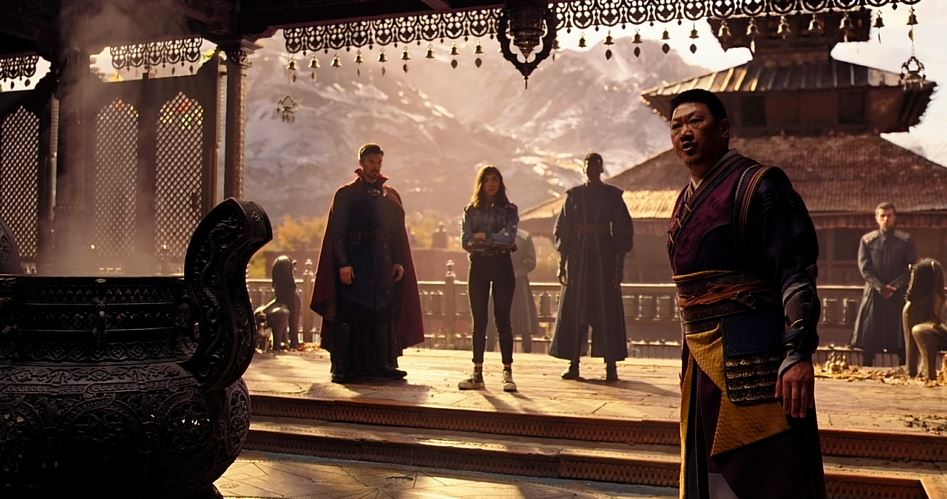
But what’s fascinating is how Strange never fully abandons his scientific mindset. He doesn’t become a mystic in the traditional sense. He becomes a hybrid. His magic is geometric, calculated, and almost surgical. He’s not channelling raw emotion like a Verbena or invoking divine will like a Celestial Chorus mage. He’s crafting spells like a Virtual Adept with a flair for the theatrical.
The conflict between Kamar-Taj and the multiversal incursions echoes Mage’s central tension: the Traditions vs. the Technocracy. Mordo’s obsession with rules and consequences feels Technocratic, while Wanda’s chaotic, grief-fueled spellwork is pure Marauder energy; reality-warping through sheer force of will.
Strange himself straddles the line. He uses relics, rituals, and ancient texts, but he also manipulates time with the precision of a quantum physicist. He’s a walking paradox and, in Mage terms, that’s dangerous. The more you bend reality outside the consensus, the more Paradox you risk. And Strange, especially in Multiverse of Madness, is practically begging for backlash.
Mage is brutally honest about the cost of power. Every spell risks Paradox, every act of hubris invites collapse. Strange’s journey is riddled with these lessons. He breaks time to save lives, and nearly destroys reality. He uses forbidden knowledge to defeat Dormammu and pays with his soul. He reads the Darkhold and watches his alternate selves spiral into madness.
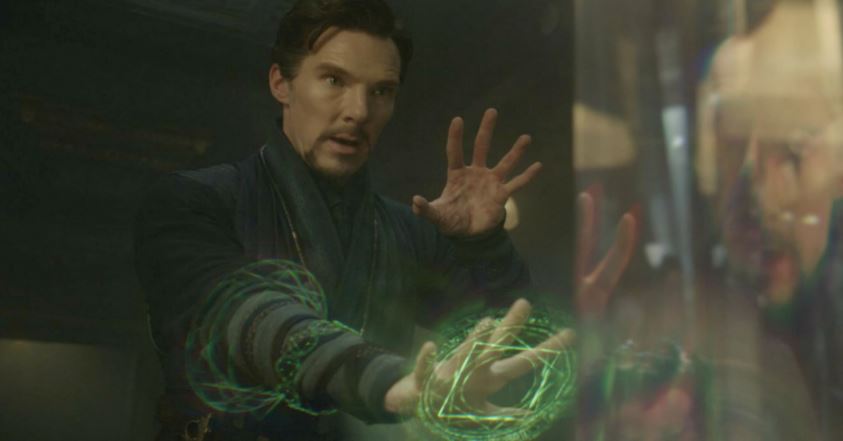
This is Mage storytelling at its finest: power tempered by consequence, belief challenged by reality, and identity fractured by choice. Strange isn’t just a superhero; he’s a mage navigating the slippery slope of Enlightenment.
For Mage players and storytellers, the Doctor Strange films offer a cinematic blueprint for exploring paradigm conflict, magical ethics, and the allure of forbidden power. They remind us that magic isn’t just about flashy effects; it’s about belief, sacrifice, and the stories we tell ourselves to make sense of the impossible.
So next time you sit down at the table, consider what your mage sees when they cast a spell. Is it a glowing sigil? A whispered prayer? A tweak in the code of the Matrix? And ask yourself, what would Stephen Strange see? In the end, magic is just reality waiting to be rewritten.
Next time, we’ll look at how to Strange-ify our games of Mage: The Ascension!
 No Rerolls
Great article! I read the rules for Mage when I was a teenager but never really felt like I understood how to make it “work”. You provide a lot of great context!
LikeLiked by 2 people
Mage can be pretty hard work, and I’ve not been able to get it to the table for a long time.
LikeLike