
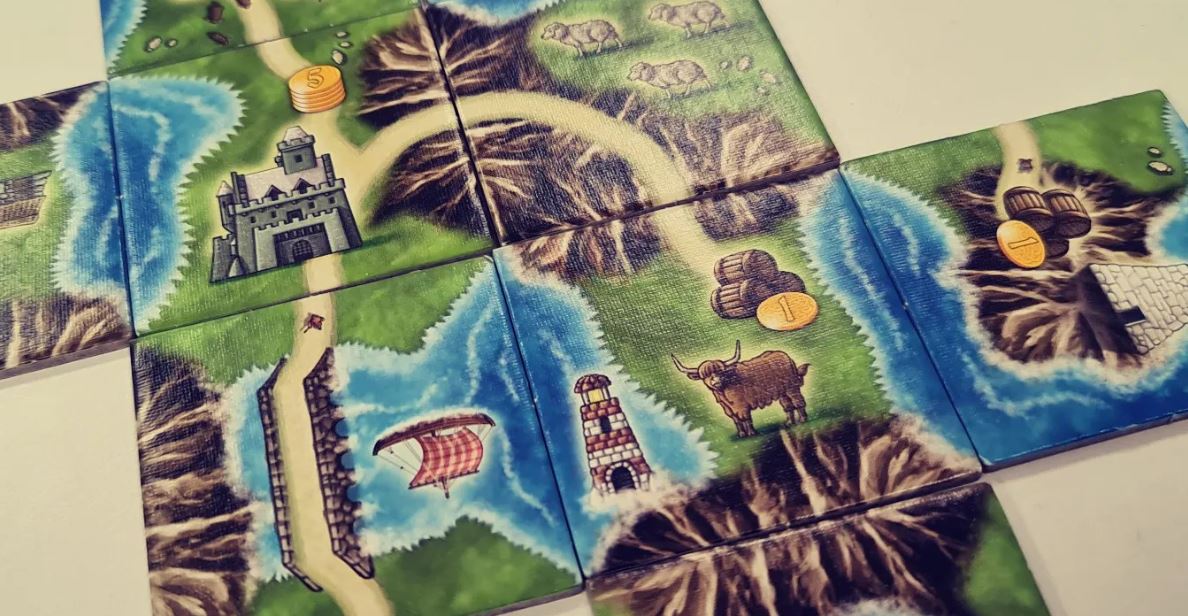
Few games capture the balance between accessibility and depth quite like Isle of Skye: From Chieftain to King. Designed by Alexander Pfister and Andreas Pelikan, this award-winning title invites players to step into the role of Scottish clan leaders, carving out their own corner of the Highlands. At first glance, the game feels welcoming. Its rules are straightforward, its playtime brisk. However, beneath that surface lies a clever blend of auction dynamics and tile-laying strategy. Every decision, from how much to charge for a tile to where to place it in your growing kingdom, ripples outward, shaping the fortunes of your clan. It’s a game that rewards foresight, adaptability, and just a touch of cunning.

The heart of Isle of Skye lies in its unique auction and placement system. Each round begins with players drawing landscape tiles and secretly assigning prices to them. This moment of hidden valuation can get pretty tense: set a price too high and no one will buy, too low and you risk losing a valuable piece of terrain for a pittance. Once the bidding resolves, players expand their territories, carefully connecting roads, water, and mountains to maximize their scoring potential.
What keeps the game fresh is its variable scoring system. At the start of each session, four scoring tiles are chosen at random, dictating the objectives for the entire game. One round might reward sprawling road networks, while another prizes sheep-filled pastures or enclosed bodies of water. Because these conditions shift from play to play, strategies must evolve, and no two games ever feel the same. The result is a dynamic puzzle where tactical auctions meet spatial planning, and where victory often belongs to the player who can adapt most nimbly to shifting demands.
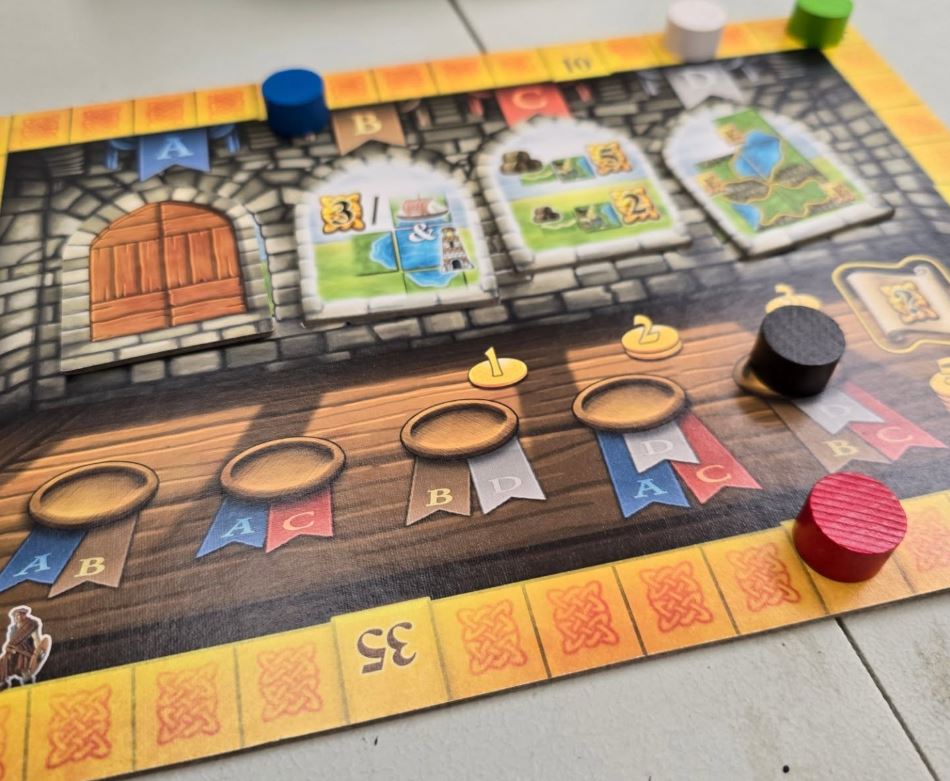
What really makes Isle of Skye shine is the way it blends familiar mechanics into something fresh and engaging. The auction system is deceptively simple yet endlessly tense, forcing players to weigh the value of their tiles against the risk of losing them to an opponent. This creates a dynamic economy where every round feels alive with possibility.
The tile-laying itself is equally rewarding. Like Carcassonne, it offers the satisfaction of building a landscape piece by piece, but here the stakes are higher: placement decisions ripple outward, shaping not only your own scoring but also how you contest objectives with others. The variable scoring conditions elevate this further, ensuring that no two games play alike. One session might reward sprawling road networks, while the next prizes enclosed lakes or sheep-filled pastures, demanding adaptability and creativity from players.

Beyond mechanics, the game’s accessibility is a real strength. It teaches quickly, plays briskly, and yet offers enough depth to keep seasoned gamers invested. The artwork by Klemens Franz, with its warm depiction of the Scottish Highlands (God’s own country, no less), adds a layer of thematic immersion that makes the experience feel both strategic and cozy. In short, Isle of Skye succeeds because it is approachable without being shallow, and strategic without being overwhelming; a rare balance that makes it a standout in modern board gaming.
For all its charm, let’s not pretend that Isle of Skye is not without its rough edges. The most noticeable is the element of luck in tile draws. While the auction system does a good job of balancing fortunes by allowing players to buy what they need from others, there are still moments when a crucial tile simply doesn’t appear, leaving strategies half-formed. This randomness can frustrate players who prefer tighter control over their plans. You really can be screwed by tile availability and it can be frustrating to feel like you’re locked out of the game.

The game also leans more heavily on interaction at higher player counts. With three or four players, the auction phase feels lively and competitive, but at two it can lose some of its spark, becoming more predictable and less dynamic. Groups prone to indecision may also find themselves bogged down in the pricing phase, as setting values requires both tactical foresight and a keen sense of what opponents might want. That tension is part of the design, but it can slow the pace if players hesitate too long.
Isle of Skye: From Chieftain to King stands as one of those rare designs that feels timeless the moment you play it. Its blend of auction tension and tile-laying satisfaction creates a rhythm that is both engaging and very replayable. Every session feels fresh thanks to the shifting scoring conditions, and the balance between accessibility and depth makes it a game that welcomes newcomers while still rewarding seasoned strategists.
 No Rerolls
2 Comments