
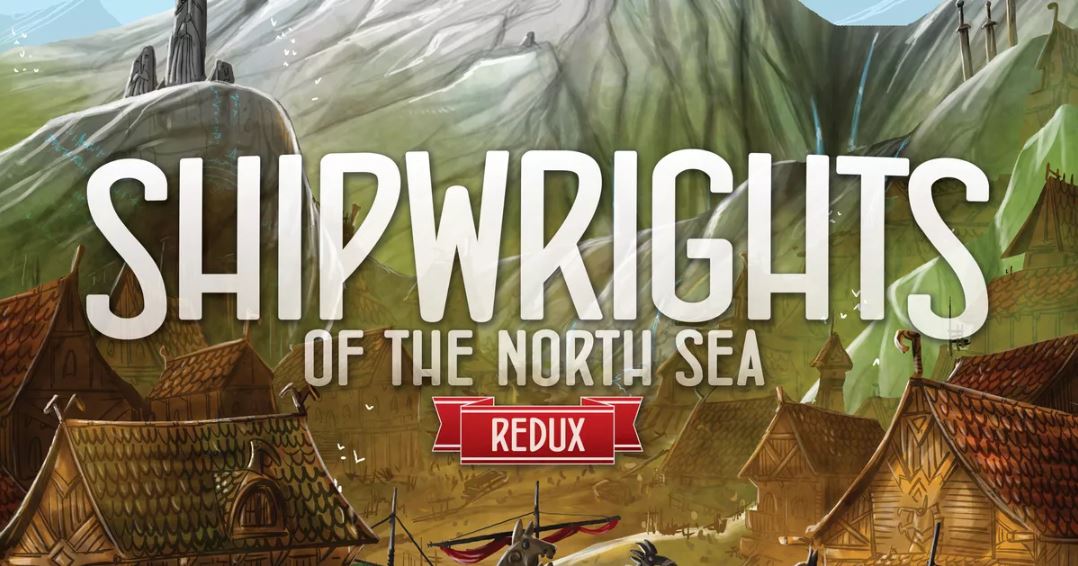
Shipwrights of the North Sea is tight, timing‑sensitive, and occasionally unforgiving, and this is exactly why I enjoy it. I’ve played a lot of this game. Once the rhythm of the game makes sense to you, it becomes a clean, satisfying puzzle where good decisions actually matter. And for whatever reason, this one lines up neatly with the way I think. I win most of my plays, but it never feels automatic. It feels earned.
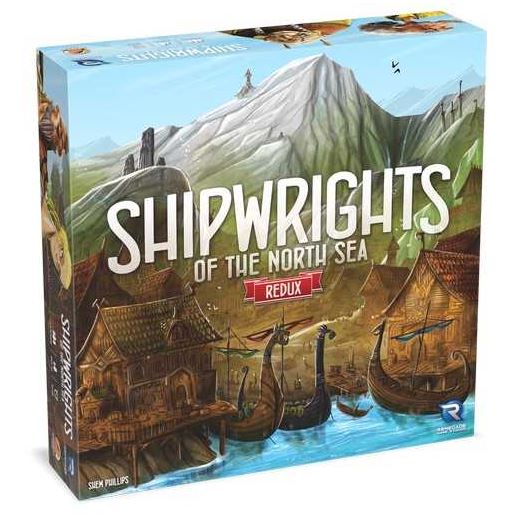
The structure is simple: draft cards, place workers, gather resources, build ships and buildings, repeat. However, it is the way these phases interconnect that makes the game truly shine. The draft sets your direction. The worker phase tests your timing. The build phase rewards the groundwork you’ve laid. When you get those pieces aligned, the game feels smooth and logical.
The draft is where the game really opens up. Because every card type comes from the same deck, you’re constantly weighing what you need against what you don’t want to hand to someone else. That’s a tricky balance that manages to be interactive without being overly or overtly confrontational, and it gives each round a clear sense of momentum. When you spot a building or craftsman that fits your plan, it’s genuinely satisfying.
Worker placement is tight, but not punishing. There are always more things you want to do than workers to do them, so you learn to prioritise. Getting the right resources at the right time is the core skill the game asks of you, and once you understand the tempo, it becomes a very readable system.
Building is where everything comes together. Ships require specific craftsmen and resources, so you can’t just throw things together. You need a plan, and you need to execute it cleanly. When you do, the game rewards you with steady progress and a sense that your choices mattered. When you don’t, the game tells you clearly why things slipped.
What I appreciate most is how Shipwrights creates pressure without chaos. The race to finish your ships keeps everyone alert, but the game never feels random or swingy. If you fall behind, it’s usually because someone else planned better or read the draft more effectively. If you pull ahead, it’s because your engine is working.
For me, that’s the appeal. The game makes sense. The decisions feel logical. The systems are transparent. And when you play well, the results follow.
Shipwrights of the North Sea consistently gives me a clean, satisfying experience. It rewards planning, timing, and a bit of table awareness. If those are things you enjoy, it’s an easy game to love.
 No Rerolls
Glad you like it!
I’m not quite as much of a fan as you are, but I definitely see the strengths of it that you highlight.
At the office, when we have our original 3 people (me and two others), we like to play it at lunch.
The other gamers aren’t quite up to getting this game done in a timely manner (we only have an hour).
LikeLiked by 1 person