
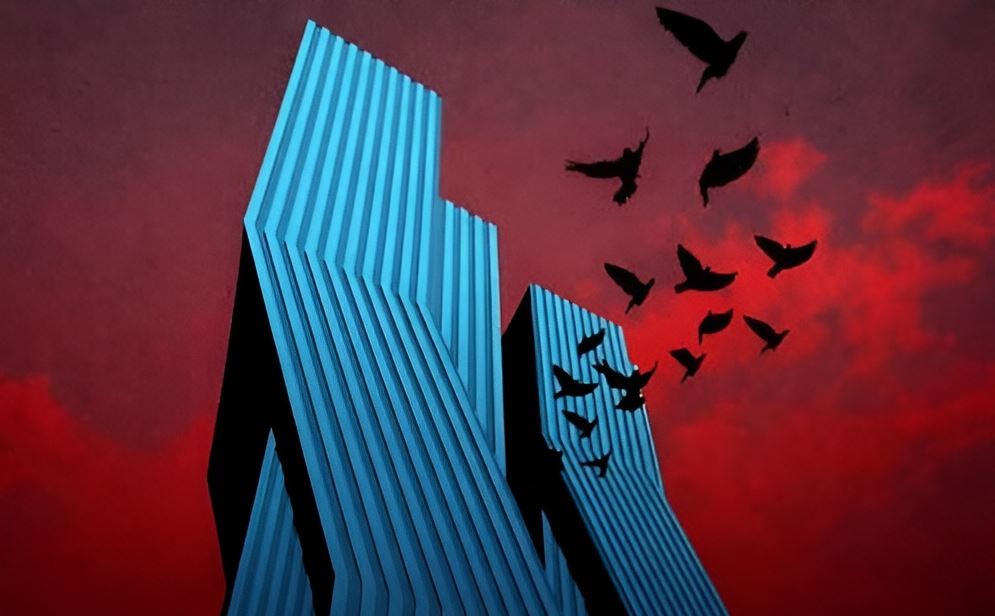
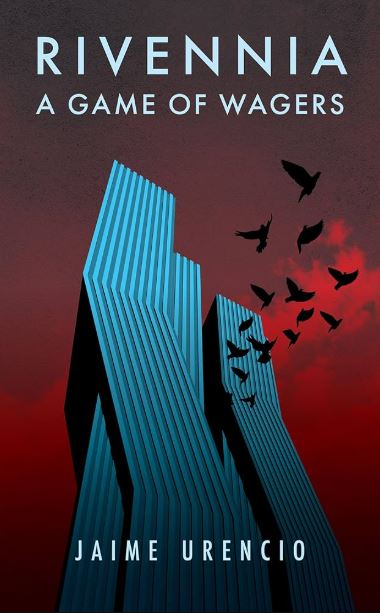
RIVENNIA: A Game of Wagers is a sci-fi novel by Jaime Urencio and published by Sunrise & Rooster Press. It is due to be released on the 14th of February, 2026. This review is intended to be free of spoilers, but none of us are perfect. Consider yourself warned! I was provided with a review copy by the publishers. There are affiliate links at the end of this review.
Blurb
EVOLUTION IS NO LONGER NATURAL – IT’S POLITICAL
When Gren Moritz is elected head of the global government of Rivennia, he is ridiculed and isolated by others in power for his stance against the rise in genetic engineering. Following his inauguration, Gren is lured into the dark shadows of the Liffdom Lodges, a covert gambling syndicate that controls Rivennia. The Lodgers promise political backing, but it comes at a price – Gren must partake in a macabre wager. His fellow players are anxious analyst Samuel Rosendale and sharp-tongued supermodel Primula Zhang. As the stakes rise and the Lodgers’ true motives come to light, the rivals form an unlikely alliance, forced to navigate a treacherous web of power. The future of civilisation hinges on the choices they make.
Review
Rivennia: A Game of Wagers is an ambitious debut that reaches for big ideas, like political power, engineered evolution, and moral compromise, and builds them into a world that feels genuinely fresh. Jaime Urencio clearly put a great deal of thought into the setting: the Lodges, the gene‑editing ethics, the political machinery, the uneasy tension between tradition and technological ambition. When the book leans into those strengths, it’s compelling, original, and full of potential.
The story follows three central figures – Gren, Primula, and Sam – whose paths intersect as they’re drawn into a covert gambling syndicate that quietly shapes the future of humanity. The premise is strong, and the final third of the novel shows what Urencio is capable of when the pieces finally lock into place. The tone shifts into something darker and more dystopian, the stakes sharpen, and the writing gains confidence. This section is the point where the book truly comes alive.
But getting there is… uneven. The early chapters move between political thriller, speculative sci‑fi, and character drama without fully settling into any of them. Frequent POV shifts make it difficult to connect with the characters, and some voices blend together in ways that dilute the emotional impact. Gren’s arc is interesting but not always easy to invest in, and Lorelei, who could have offered a valuable outsider perspective, feels underused. The love‑triangle thread doesn’t add much, and the pacing swings between glacial and breakneck in ways that can be dizzying.
The worldbuilding is rich, but the execution sometimes struggles to keep up with the ambition. A few key concepts, especially the “game” itself, feel under‑explained, and the political logic can wobble. The prose varies from clean and confident to stiff and clunky, depending on the chapter. It’s the kind of debut where you can see the author’s talent clearly, even when the craft isn’t fully consistent yet.
Still, there’s a lot here to admire. The ethical questions are thoughtful, the setting is distinctive, and the final act delivers a punch that lands. Primula and Sam, in particular, stand out as characters with real emotional weight, and the representation – especially around gender identity – is handled with sincerity and care.
In the end, Rivennia is a promising first novel: uneven but imaginative, flawed but full of heart. Readers who enjoy politically charged speculative fiction with dystopian edges will find plenty to chew on, even if the execution doesn’t always match the ambition. It’s the kind of debut that makes you curious to see what the author does next.
Rating: 3/5
 No Rerolls
2 Comments