
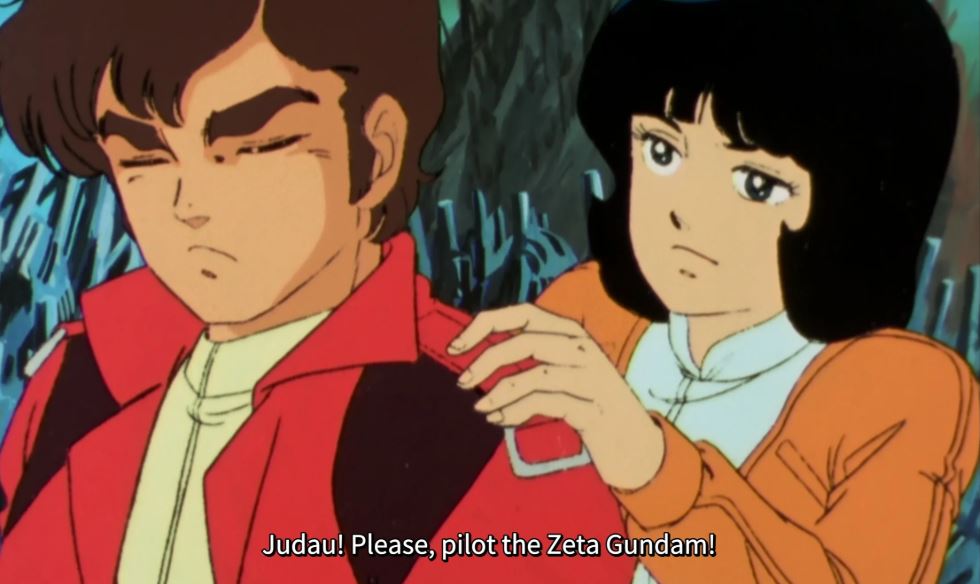
We’ve all sat through it. The party is gathered in the Prancing Pony (or whatever derivative dive bar the DM threw together), the mysterious hooded figure has offered 500 gold pieces to clear out the Sunless Grove, and the Paladin is already sharpening his sword.
Then there’s you.
You’re sitting in the corner, nursing a single ale, staring wistfully at a photo of your turnip farm. When the call to adventure comes, you sigh. You look at the floor. You say, “My character doesn’t really want to be here. He just wants a quiet life.”
Congratulations. You’ve successfully turned a collaborative game of high fantasy into a three-hour hostage negotiation where the prize is your own participation.
The Delusion: “I’m Playing a Grounded, Complex Character”
You think you’re being Bilbo Baggins. You think you’re adding “depth” and “stakes” by making the party convince you to save the world. You believe that by resisting the plot, you’re making the eventual “yes” more meaningful.
The Reality: You’re just a collaborative anchor.
D&D is a game about doing things. By playing someone who doesn’t want to do things, you aren’t being “nuanced”, you’re being a bureaucratic bottleneck. You’re the guy who goes to a 10-course tasting menu and tells the waiter he’s “not really that hungry.” It doesn’t make you interesting; it just makes the service awkward for everyone else.
The Diagnosis: You have a pathological need for persuasion. You don’t want to play the game; you want to be courted by the game.
The “Toxic Trait”: The Validation Vampire
The Reluctant Hero is the ultimate “Pick Me” move. Every time the party has to stop and give you a pep talk –“But Throgmorton, only your fireball can save the orphans!” – you are draining the narrative oxygen from the room.
You aren’t interested in the quest; you’re interested in the protest. You want the DM and the other players to spend their limited social energy validating your character’s existence. You’re forcing your friends to act as your amateur therapists just so we can get to the first combat encounter.
The Diagnosis: You were the child who “ran away from home” by hiding in the garden for twenty minutes, waiting for your mum to come out and tell you how much she’d miss you.
The “Cringe” Factor: The “I’m Too Good For This” Smirk
There is a specific, exhausted sigh that the Reluctant Hero player perfects. It’s the sound of someone who thinks they are the only “serious actor” at a table full of people who actually want to have fun. You’re not.
You’re just trotting out the faux-self-aware “I told you so.” When the plan inevitably goes sideways, you’re the first to say, “This is why I wanted to stay at the farm.”
While we’re at it, quit the false moralising and “Reluctant” looting. You’ll moan about the morality of grave robbing for forty minutes, but you’re the first one to write “Cloak of Protection” on your sheet once the party drags you into the tomb anyway.
The Bottom Line
If your character truly doesn’t want to be there, let them go. Retire Throgmorton. Let him go back to his turnips. He can live a long, boring life of crop rotation and moderate gout (in all seriousness, I feel you on that one, Throggy), and we can recruit someone who actually wants to hit a goblin with a hammer.
We all showed up on a Tuesday night to roll dice and slay dragons. If you’re so reluctant to be a hero, stop taking up a seat at the table and go exist somewhere else. Preferably somewhere without a Wi-Fi connection so you can’t tell us about it.
 No Rerolls
2 Comments