
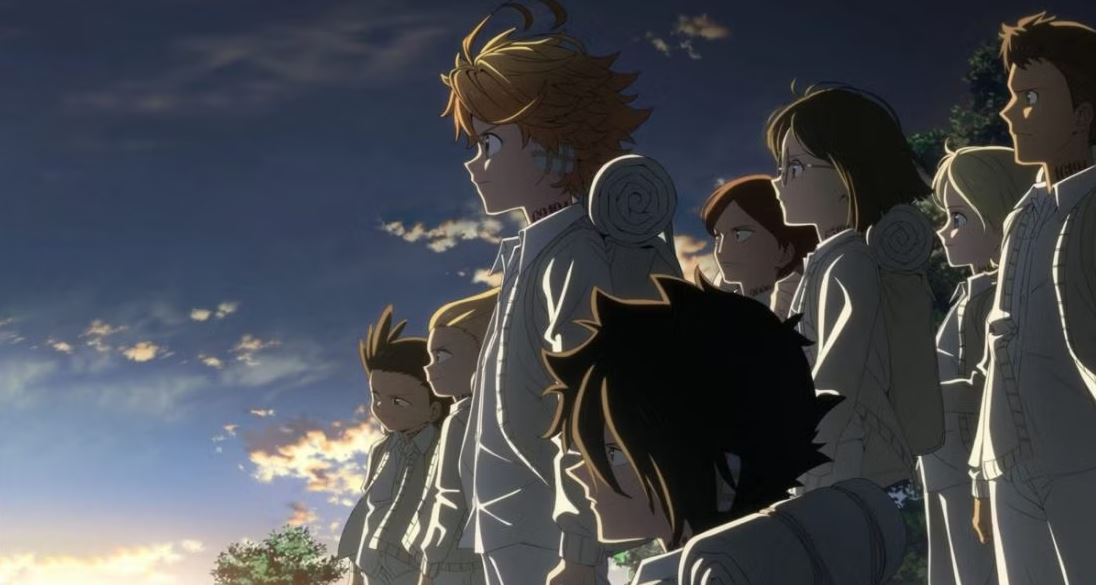
Some shows entertain you, and then some shows crawl under your ribs and start rearranging the furniture. The Promised Neverland’s first season is the latter. It’s a tightly wound thriller about children discovering the truth of their world and deciding to fight back, even when the odds are grotesquely stacked against them. It’s also a near‑perfect blueprint for a Kids on Bikes campaign.
If you want to run a game that blends psychological horror, high‑stakes planning, and the fierce tenderness of kids protecting each other, here’s how to bring that energy to your table.
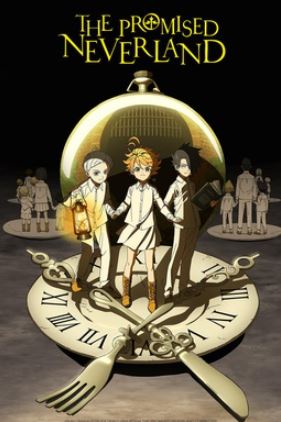

1. Start with a Safe, Familiar Cage
The power of The Promised Neverland comes from contrast. The orphanage is warm, colourful, and comforting right up until it isn’t. For your campaign, build a setting that feels safe on the surface:
- a boarding school in the countryside
- a remote research commune
- a “therapeutic” youth retreat
- a foster home on a private estate
Give it routines. Give it rules. Give it adults who smile too much. Let the players settle into the rhythms before you let the cracks show.
The trick: the cage should feel lived in, not immediately sinister. Let the players form attachments before you twist the knife.
2. Make the Mystery Personal
Kids on Bikes thrives when the mystery isn’t just “what’s happening?” but “what does this mean for us?” In The Promised Neverland, the truth isn’t abstract; it’s about survival, identity, and the future the kids thought they had.
Build your central mystery around something that threatens:
- the children’s autonomy
- their relationships
- their sense of reality
- their ability to grow up
The reveal shouldn’t just change the plot. It should change the kids.

3. Adults Are Powerful, Not Omniscient
One of the most compelling elements of the show is Isabella, the mother figure. She is loving, terrifying, competent, and trapped in her own way. She’s not a cartoon villain; she’s a person shaped by a system.
In your game:
- Make adult NPCs smart.
- Make them flawed.
- Make them dangerous because they care about something, even if it’s not the kids.
A good antagonist in this style of campaign isn’t a monster. It’s someone who believes they’re doing the right thing.
4. Let the Kids Be Brilliant, but Still Kids
The emotional punch of The Promised Neverland comes from watching children navigate impossible situations while still being recognisably children. They argue. They panic. They cling to hope. They make mistakes.
Mechanically, Kids on Bikes already supports this, but lean into it:
- Encourage creative, lateral problem‑solving.
- Reward emotional choices, not just tactical ones.
- Let fear, loyalty, and stubbornness matter as much as dice rolls.
The goal isn’t to make them superheroes. It’s to make them resourceful.
5. Build Tension Through Routine
One of the show’s best tricks is using repetition as a pressure cooker. Breakfast. Lessons. Playtime. Lights out. The same schedule, day after day, until the players start noticing what’s off.
Use recurring scenes to:
- show who’s missing
- reveal new restrictions
- hint at surveillance
- escalate the stakes without a single combat roll
When the routine finally breaks, it should feel seismic.
6. Give Every Kid a Secret
Secrets are the lifeblood of this kind of story. They create friction, alliances, betrayals, and heartbreaking reveals. Encourage players to define:
- something they know
- something they fear
- something they want
- something they’re hiding
And then let those secrets collide.
7. Plan the Escape Like a Heist
The escape arc in Neverland is a masterclass in tension: reconnaissance, misdirection, sacrifice, timing, and the constant threat of discovery. For your campaign:
- Treat the escape as a multi‑session heist.
- Let players gather intel, test boundaries, and build tools.
- Make every small victory feel earned.
- Make every setback hurt.
The final escape should feel like the culmination of everything they’ve learned — about the world and about themselves.
8. End with Hope, Not Safety
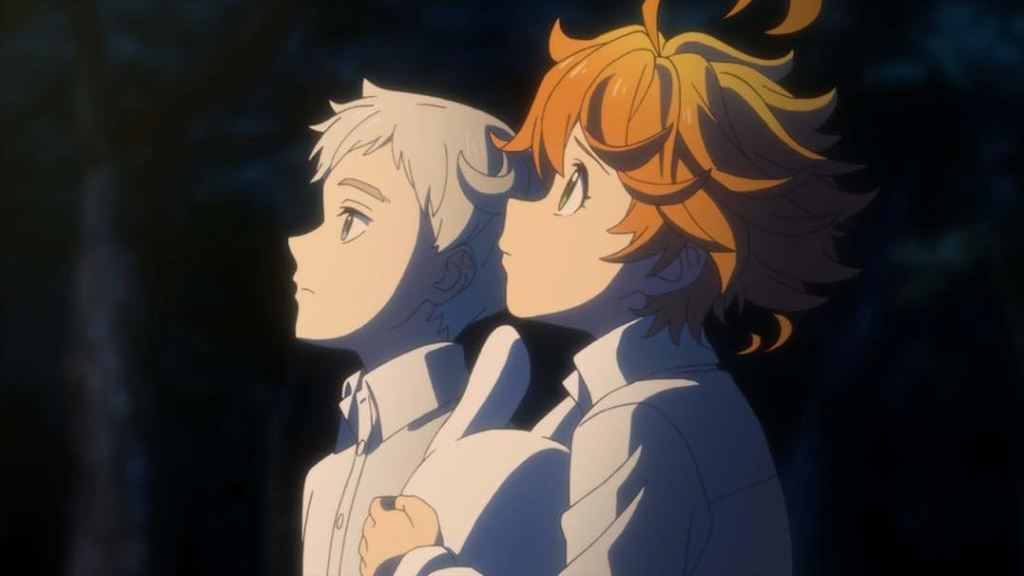
The finale of Season 1 is triumphant, but not comforting. The kids escape, but into a world they don’t understand. That’s the perfect tone for a Kids on Bikes campaign: victory with teeth.
- Give them freedom.
- Give them consequences.
- Give them a world that’s bigger and stranger than they imagined.
A good ending doesn’t close the story. It opens the door.
Final Thoughts
A Promised Neverland-inspired Kids on Bikes campaign isn’t about gore or shock. It’s about tension, found family, impossible choices, and the fierce determination of children who refuse to accept the future chosen for them.
If you run it right, your players won’t just remember the twists; they’ll remember the moments they held their breath. They’ll remember the plans that almost fell apart and the bonds that carried them through. They’ll remember that moment when they realised the adults weren’t invincible. Finally, they will remember the moment they became aware that nothing was as it seemed, and they stepped into the unknown anyway.
 No Rerolls