

Something that has frustrated me over the years has been the need, whenever recommending this particular novel by Jasper Fforde, to repeatedly wave my hands and say “no, not that Shades of Grey!”
It gets old.

Jasper Fforde’s Shades of Grey is an absolute gem of a novel that defies categorisation, blending elements of dystopia, social satire, and whimsical world-building into a captivating and thought-provoking narrative. Set in a future world where one’s social standing is determined by their perception of colour, Fforde creates a vividly imaginative and deeply layered society that serves as the backdrop for a unique coming-of-age story.
The story follows the young protagonist, Eddie Russett, who is sent to the town of East Carmine to conduct a chair survey as part of a punishment. Eddie, like all residents, is classified by his ability to perceive colour, with the hierarchy determined by the colour spectrum. As he navigates the complexities of this world, Eddie’s life becomes entwined with that of Jane, a mysterious Grey (the untouchables of this setting) who sees the world differently, and together they embark on a journey of self-discovery and rebellion.
Fforde’s prose exhibits his usual blend of wit and whimsy, with sharp humor woven into every page. I’m unabashedly a Fforde Ffan. His talent for world-building really shines as he paints a society obsessed with colour to the point of absurdity. This obsession becomes a potent commentary on social hierarchy, discrimination, and the arbitrary nature of power in our own world.
One of the novel’s strengths lies in its complex and relatable characters. Eddie’s growth from a rule-abiding citizen to a subversive thinker is a journey of self-discovery and awakening. Jane’s enigmatic nature adds an air of mystery and intrigue, while the supporting cast of eccentric characters, each associated with a specific colour, adds depth to the narrative.
“Shades of Grey” also excels in its exploration of societal norms, conformity, and the power of perception. Fforde masterfully delves into themes of individuality, the tyranny of bureaucracy, and the questioning of authority, all while maintaining a whimsical and lighthearted tone.
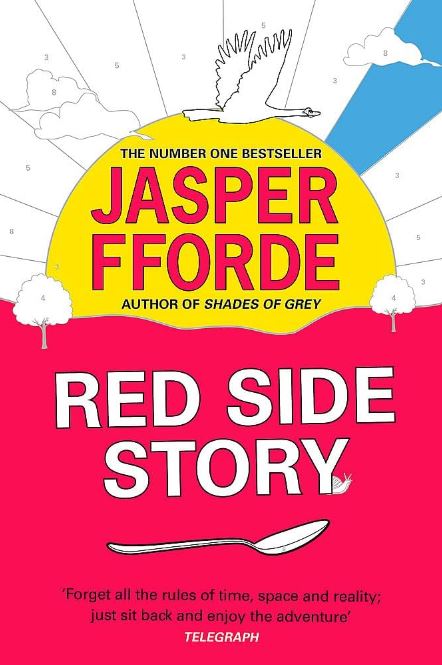
As the first installment in a planned series, “Shades of Grey” introduces readers to a world brimming with untapped potential. While the novel concludes with lingering questions and unresolved mysteries, it seemed that we would be denied closure on the story. The book came out in 2009. I still remember getting my preview chapters and being incredibly excited for the final product. A sequel was promised but then seemingly shelved. Now, however, the sequel has been confirmed for 2024:
Shades of Grey is a brilliantly imagined work that invites readers to contemplate the complexities of society, perception, and individuality within the framework of a vivid and whimsical dystopia. It’s a must-read for fans of speculative fiction, social commentary, and literary escapism, offering a colourful journey through a world both familiar and entirely original.
But what about playing it?
Playing an RPG based on Jasper Fforde’s “Shades of Grey” would require a system that can capture the unique world-building, social commentary, and whimsical elements of the novel. Combat is possible, but it shouldn’t be a focus of the game. Here are some notes on things to consider, and then we’ll take a look at some possible systems
Character Creation:
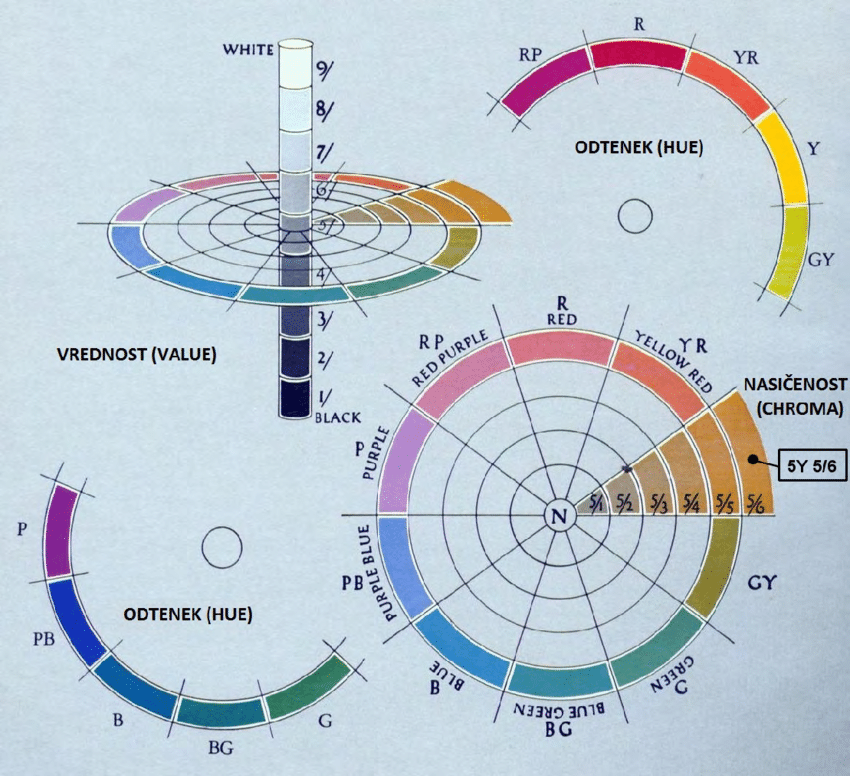
- Choose a Chroma: In addition to any other considerations during character creation, Chroma establishes a new social dimension. Players select a Chroma, representing their character’s perception of colour. Each Chroma grants unique abilities and advantages in the world. These could include a spectrum of social status versus access to illicit trade in information and artifacts. Greys exist outside the spectrum and will face different social challenges from players who have chosen characters of the Chromogencia.
- Character Background: Players define their character’s background, including their family, education, and experiences that led them to East Carmine. These backgrounds will influence their skills and connections in the game. This basic backstory work is quite typical of RPGs, but given the rigid social hierarchies of Chromotacia, the reason for one’s arrival in town will have a bearing on social interactions.
- Aspects and Skills: Use the chosen system to define character aspects and skills that reflect their abilities and quirks. I’d consider trying to incorporate FATE’s Aspects system as a good way to enforce and reward appropriate social interactions. Aspects should tie into their Chroma and personality traits.
Character Quirks
Shades of Grey offers a richly imaginative world, full of characters with eccentric quirks. Players should be encouraged to incorporate a quirk inspired by the novel’s themes and setting. Here are some example character quirks that players can incorporate into their RPG characters:
- Chroma Visionary: This character possesses an uncanny ability to perceive colours beyond their designated Chroma. They see subtle shades and hidden colours, making them valuable in detecting hidden details or uncovering secrets.
- Hue Historian: This character has an encyclopedic knowledge of colour history, allowing them to identify rare pigments, decipher ancient colour-coded texts, and understand the significance of different hues in the society’s past.
- Staunch Conformist: A character who adamantly adheres to the colour hierarchy and societal norms, even when it puts them at odds with their fellow players. Their unwavering commitment to the status quo can lead to both humorous and challenging situations.
- Goggle Enthusiast: Inspired by the Smellcrafter Goggles, this character is obsessed with collecting and tinkering with specialized goggles that enhance their perception of the world. These goggles may have surprising uses throughout the game.
- Chroma Deficient: A character with a genetic quirk that limits their ability to perceive certain colors, causing occasional confusion or misunderstandings in colour-centric situations. Their family might be a generation or two away from losing all colour perception and, as a result, social status.
- Candle Collector: This character has a peculiar fascination with candles and collects them obsessively. They find solace and meaning in the diverse array of candle scents and colours, and they might have an uncanny ability to identify scents.
- Rebel Poet: A character who secretly writes subversive poetry challenging the colour-based society. They risk everything to express their beliefs through clandestine verses that inspire others to question the status quo.
- Chroma Detective: This character is a detective or investigator who specializes in colour-related mysteries, such as identifying forgeries or uncovering hidden Chromatic affiliations. They are skilled in tracking down elusive clues based on colour perception.
- Chroma Collector: A collector of rare and valuable colour-related artifacts, such as antique colour wheels, pigment samples, or old Chroma badges. Their knowledge of the past may prove useful in unraveling mysteries.
- Monochrome Sympathizer: A character who secretly sympathizes with the Missing and believes in the potential for a monochrome society. They may work covertly to support the cause or seek to bridge the gap between the Chromogencia and Monochromes.
Gameplay:
- Colour Perception: A core mechanic revolves around colour perception. Characters’ abilities and actions are influenced by their Chroma, affecting how they interact with objects, people, and the environment. Purples might have an advantage in leadership, while Blues excel in analysis and logic, and Reds are more pragmatic. The differences in perception range will also open up the opportunity to have different players accessing different clues, depending on colour.
- Social Hierarchy: Emulate the social hierarchy by using a reputation or status system. The novel uses ‘merits’. Characters can earn or lose status points based on their actions and interactions with others. The higher your status, the more privileges you enjoy. The more politically-connected the NPC, the more power they have to award or dock merits.
- Challenges and Mysteries: Create challenges and mysteries that encourage characters to question the society’s norms and hierarchy. These could involve uncovering the truth about the Monochromes, discovering the mysteries of the Missing, or challenging the oppressive authority. Give opportunities for rebellion.
- Morality and Choices: Encourage players to make moral choices, challenging the norms of their society. Will they uphold the status quo or rebel against it? Each decision should have consequences that affect their standing and the overall narrative.
Narrative and World-Building:
- World Details: Emphasise the whimsical and absurd aspects of the world, describing colourful architecture, bizarre customs, and eccentric characters. Make a distinction between natural colour, which only certain citizens can percieve, and the rarer ‘synthetic’ colour, which everyone can somehow see. Incorporate elements from the novel wherever possible.
- Social Commentary: Use the game to explore themes of conformity, perception, authority, and individuality, just as the novel does. Encourage players to engage in discussions about the societal issues presented in the story.
- Story Arc: Structure the game around character growth and discovery, allowing players to evolve from conforming citizens to free thinkers questioning the status quo.
- Mysteries and Conspiracies: Introduce mysteries and conspiracies that players must unravel, adding depth to the narrative and encouraging collaborative problem-solving.
Possible Systems:
- Fate Core: Fate Core’s flexible and narrative-driven mechanics make it a great fit for the quirky and humorous tone of Shades of Grey. Aspects, Fate Points, and the collaborative storytelling nature of Fate allow players to introduce absurd elements, social play, and quirky character abilities.
- GURPS (Generic Universal RolePlaying System): GURPS provides a versatile system that can be tailored to any setting. It offers the advantage of deep customisation and realism, allowing players to delve into the intricate details and humor of Fforde’s world. It’s ideal for players who appreciate a more simulation-oriented experience.
- Numenera: Numenera’s science-fantasy setting, with its blend of the bizarre and the unexpected, can align well with the surreal and unconventional world of “Shades of Grey.” The Cypher System’s emphasis on discovery and exploration can accommodate the novel’s themes.
- Toon: Toon is a rules-light system designed for humorous and slapstick gameplay. It would be a whimsical choice for players who want to embrace the absurdity of the “Shades of Grey” world. Its simplicity makes it accessible for all types of gamers.
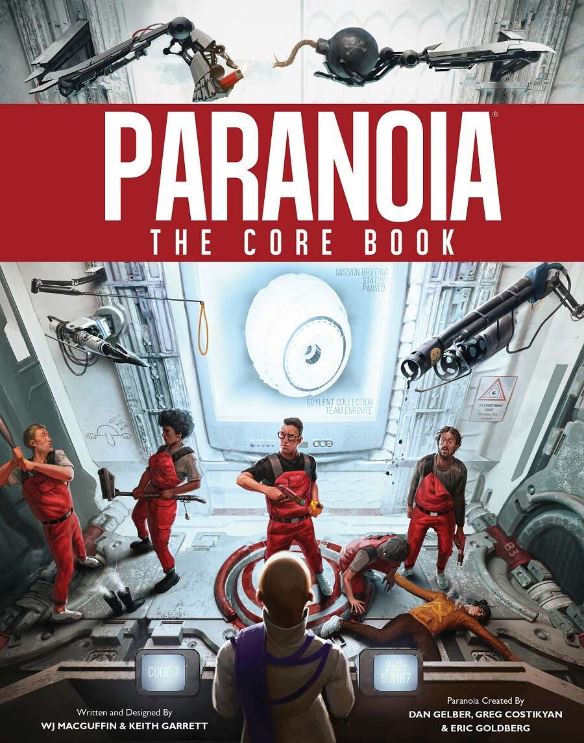
- Paranoia: If you want to lean into the darkly satirical and dystopian elements of the novel, Paranoia’s satirical, rules-light system, and its emphasis on a world gone awry, can be a fitting choice. It encourages players to be suspicious of each other and the system itself. There’s also a pretty direct parallel to be drawn between Paranoia and Shades of Grey in their respective societies being defined along colour lines, following the chromatic spectrum.
Ultimately, the choice of RPG system depends on the preferences of your group and the specific aspects of “Shades of Grey” that you want to emphasise. The systems mentioned offer various levels of flexibility, depth, and humor, allowing you to tailor the experience to capture the essence of Fforde’s unique world. Myself… given that I’ve already said I would incorporate elements of the FATE system, I’d probably just use that system. Paranoia would also be one that I’d consider, as it feels like such a natural fit.

Using Shades of Grey as a basis, you can create an immersive and thought-provoking RPG experience that captures the essence of Jasper Fforde’s novel. Players will have the opportunity to explore the whimsical yet dystopian society, challenge the norms, and uncover the colourful mysteries of East Carmine.
 No Rerolls
3 Comments