
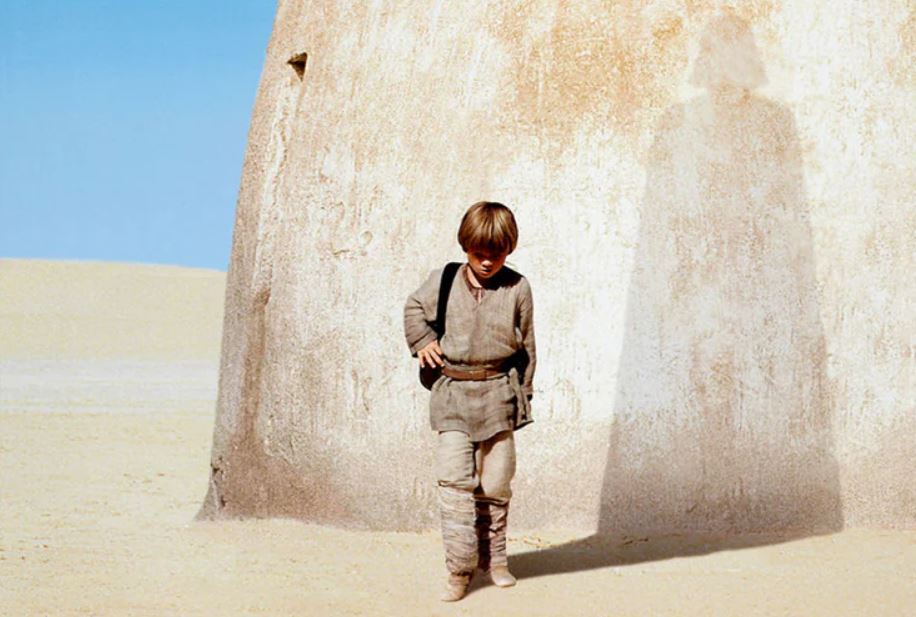
Welcome to my Star Wars Rewatch; a full chronological journey through the galaxy far, far away, from the mystic shadows of the High Republic to the fractured futures of the sequel era. With each film and series, I’ll be diving into the themes, characters, and cultural ripples that make Star Wars more than just space opera. Whether it’s the quiet tragedy of a fallen Jedi, the rise of a powerful villain, or the shifting philosophies of the Force itself, I’ll be exploring what still resonates, what challenges us, and what deserves a second look. The Force may bind the galaxy together, but it’s the stories that keep pulling us back.
Let’s get into part 2, Episode I: The Phantom Menace!
“The ability to speak does not make you intelligent.”
— Qui-Gon Jinn
Rewatching The Phantom Menace is like opening a childhood toy box and finding it both smaller and stranger than you remember. As a child, I was swept up in podraces, lightsabers, and the grandeur of Naboo. But as an adult, the film feels like a slow diplomatic crawl through trade disputes and stilted dialogue. It’s not that the magic is gone; it’s that it’s buried beneath layers of exposition and tonal dissonance.
And yet, there’s something admirable in its ambition. George Lucas didn’t just want to make another Star Wars movie; he wanted to build a mythic prologue, a space opera with operatic scale. The result is a film that’s visually stunning but emotionally uneven.
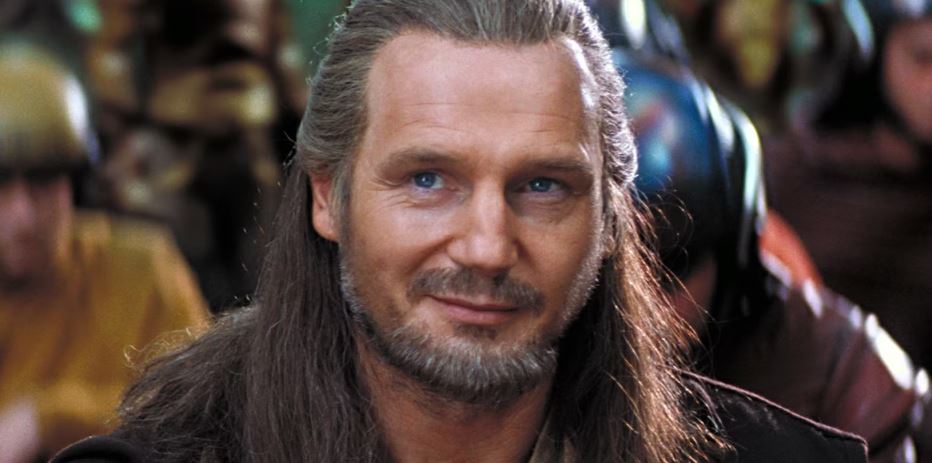
Liam Neeson’s Qui-Gon Jinn is the film’s beating heart. Calm, principled, and quietly rebellious, he brings a gravitas that the rest of the film often lacks. His death is not just a narrative turning point; it’s a tonal one. The prequels never quite recover from losing him, and his absence is felt in every Jedi Council scene that follows.
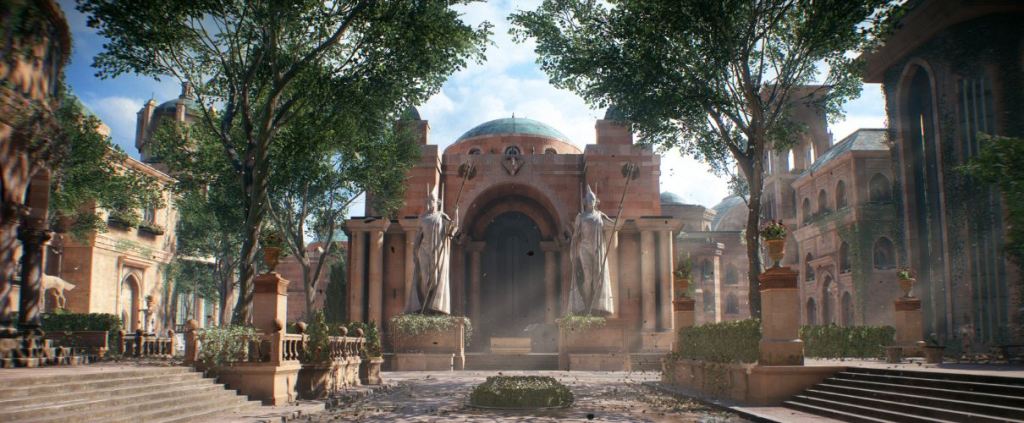
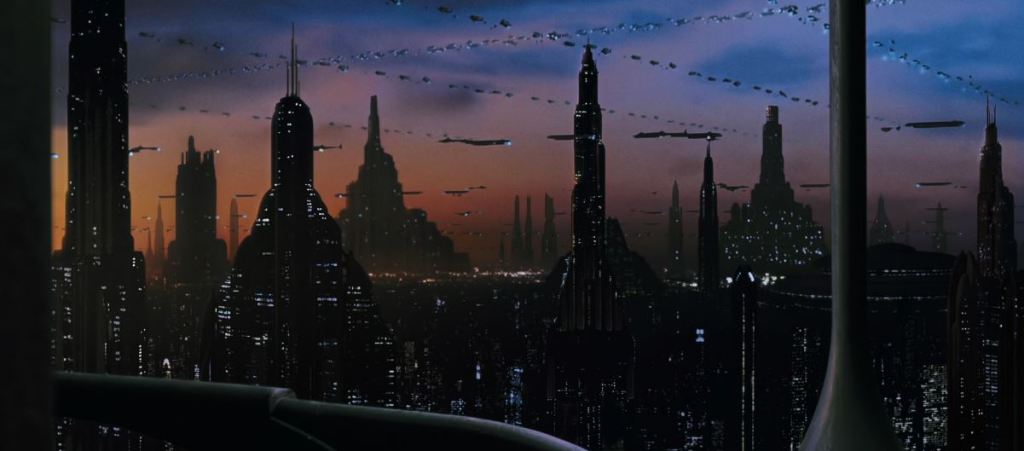
If The Phantom Menace falters in character and pacing, it soars in world-building. Theed is a Renaissance painting brought to life; elegant, sunlit, and serene. Coruscant, by contrast, is a monolithic sprawl of power and politics. These settings aren’t just backdrops; they’re characters in their own right, reflecting the film’s central tension between idealism and corruption.
On rewatch, the most compelling performance isn’t from a Jedi or a Gungan; it’s Ian McDiarmid’s Palpatine. Every line, every glance is laced with duplicity. Knowing who he becomes makes his scenes electric with subtext. He’s the only character who seems to understand the game he’s playing, and he’s already winning.
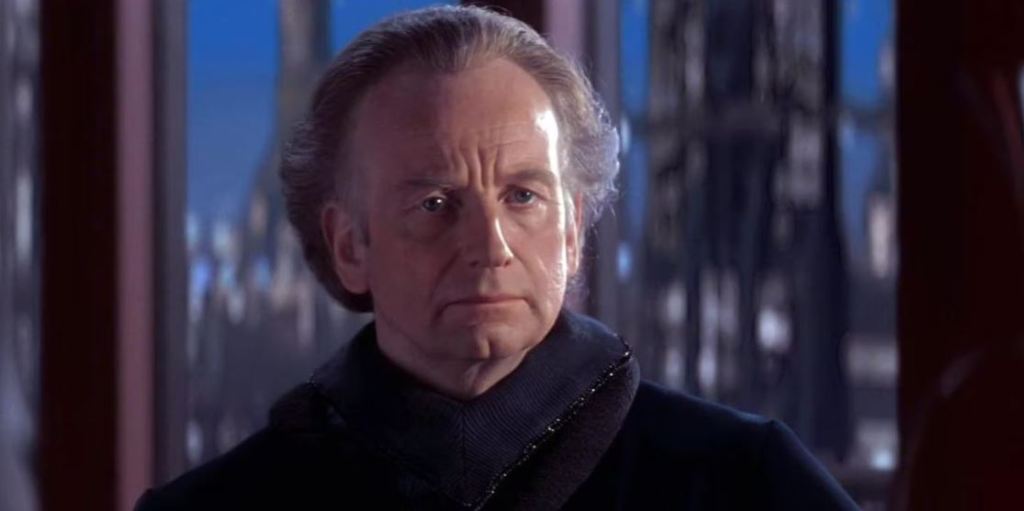
You know, it’s funny. You could argue that this isn’t a great movie, and we only really watch it because it sets up the rest of the saga. But, I dunno, I would love to have had the chance to watch this series in numerical order, without knowing what’s coming. I’d love to watch the amiable senator for Naboo without knowing that he will become a cruel despot. I’d love to be surprised. I suppose that’s the curse of all sequels; some characters don’t face real jeopardy because you know they survive to star in the follow-on movie you’ve already watched.
The film explores themes of fear, destiny, and political decay. It asks what happens when institutions grow complacent and when prophecy blinds us to present danger. Throughout this prequel trilogy and the additional media surrounding it, we know that the Jedi’s loyalty is tested, not just to the Republic but to their own ideals.
Here are a handful of throwaway observations:
- So many terrible voices, including Natalie Portman’s “queen voice”
- That’s no dug I’ve ever seen! (obligatory Scottish humour)
- Watto… just no
- Brian Blessed is the best Gungan
- Darth Maul is iconic, but he doesn’t become interesting until he reappears in The Clone Wars
- Spinning is a neat trick
- Padme leads from the front and is a warrior long before Anakin is
- Yoda is an office manager
Despite its flaws, The Phantom Menace expanded the Star Wars universe in profound ways. It introduced new Force philosophies, new planets, and new conflicts that would ripple through the saga for decades.
The Phantom Menace is not a great film, but it is a fascinating one. It’s a movie of contradictions: visually rich but emotionally flat, thematically ambitious but narratively clumsy. It’s a hard watch, yes, but not a worthless one.
Rating: 4/10
Come for the podrace and lightsabers. Stay for the politics. Watch Palpatine very closely.
Next up will be Episode 2: Attack of the Clones!
 No Rerolls
Hearing that you first watched this as a kid makes me feel old LOL
I remember, after almost 20 years since Return of the Jedi, thinking “this is it?”
But Neeson is amazing and it also felt cool to get new Star Wars, with a new John Williams score, after 20 years.
That was a wonderful feeling.
LikeLiked by 1 person
I’d have been 12, and by then steeped in the Thrawn Trilogy, Jedi Academy Trilogy, and other EU books.
LikeLiked by 1 person