
Downtime activities are supposed to be fun little side quests. But let’s be honest, they’re just thinly veiled projections of how you handle stress, avoid responsibility, and process trauma. This is known. They range from “mildly revealing” to “please talk to someone.”
Crafting: The Control Freak’s Comfort Blanket
You picked crafting because you like rules, structure, and predictable outcomes. You’re not making a potion; you’re making order out of chaos. Every item is a tiny rebellion against the inexorable entropy of life.
Coping mechanism: You manage anxiety by micromanaging imaginary economies.
Research: The Overthinker’s Escape Hatch
You spend your downtime reading ancient tomes and uncovering lore. You tell yourself that you are solving mysteries. In reality, you’re avoiding feelings. You treat knowledge like armour and plot hooks like distractions from your emotional arc.
Coping mechanism: You intellectualise everything to avoid vulnerability.
Brewing Potions: The DIY Therapist
You picked this because you want to be useful. You want to help. You want to fix things. But you also don’t trust anyone else to do it right. Your character might be brewing potions, but your psyche is bottling your need for control.
Coping mechanism: You externalise care because internal care feels unsafe.
Carousing: The Party Animal with Regrets
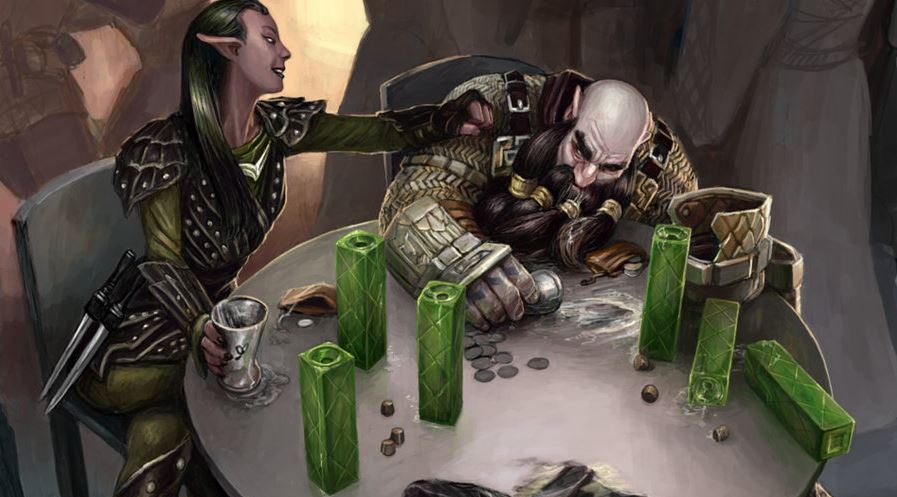
You spend your downtime drinking, gambling, and making “connections.” You’re numbing yourself via networking. Every tavern visit is a cry for distraction, and every new contact is a placeholder for an intimacy you can never achieve.
Coping mechanism: You self-medicate with chaos and call it roleplay.
Spell Research: The Perfectionist’s Spiral
You’re already powerful. But it’s not enough, is it? IS IT? No. You need more spells. More options. More control! As you chase magical knowledge, you’re really chasing validation through optimisation. You treat downtime like a productivity contest.
Coping mechanism: You equate worth with utility and fear being “just okay.”
Running a Business: The Capitalist Coping Fantasy
You opened a shop. Or a tavern. Or a criminal enterprise. You’re not playing D&D. You’re playing “what if I had control over my life.” You treat downtime like a startup incubator and your character like a LinkedIn profile. I worry that I am exposing myself with this one…
Coping mechanism: You monetise escapism because rest feels like failure.
Recuperating: The Burnout Denier’s Last Resort
You didn’t want to rest. You had to. Your character is exhausted, and so are you. Recuperating is, to you, basically admitting defeat. You treat downtime like a punishment and healing like weakness.
Coping mechanism: You only rest when forced, and even then you feel guilty.
Training: The Self-Improvement Spiral
You spend your downtime getting better. Stronger. Smarter. Deep down, you know that you’re overcompensating. You treat progress like penance and growth like a moral obligation. Your party members are trying to level up. You’re trying to be worthy of love.
Coping mechanism: You fear stagnation more than failure. You also listen to too many male podcasts.
Religious Service: The Existential Crisis Simulator
You spend your downtime praying, preaching, or communing with a higher power. At this point, you’re outsourcing your emotional regulation to a fictional deity. There are layers here… Every divine interaction is a therapy session with extra radiant damage.
Coping mechanism: You seek meaning because you fear that gnawing emptiness that’s always at the edge of your consciousness.
Scribing Scrolls: The Emotional Archivist
You write things down. You preserve spells, stories, and secrets. As you scribe, you curate your legacy. You treat downtime like a memory vault and every scroll like a coping mechanism with calligraphy.
Coping mechanism: You fear being forgotten and cope by documenting everything in a vain effort to leave a legacy.
 No Rerolls
2 Comments