
Tabletop role-playing games have been a staple of hobby gaming since the 1970s, offering players the opportunity to immerse themselves in fantastical worlds and take on the roles of characters in epic adventures. Over the years, many (many, many) different RPGs have been released, each offering something unique to the genre. Today, let’s take a look at the 10 most influential tabletop role-playing games of all time.
Now, being the tease that I am, I’d normally do these games in reverse order, starting at 10 and working my way down to one. This is known of me. The problem is, we all know what number 1 is. You can’t really argue with that. So with that in mind, I’m going to break with tradition and start at number one, working my way through to number 10.
I’ve also got some questions at the end that I’d love some input on.
1. Dungeons & Dragons
Dungeons & Dragons (D&D) was first published in 1974. D&D is widely considered the first modern tabletop RPG. It has since become a cultural icon, inspiring countless other RPGs and video games.
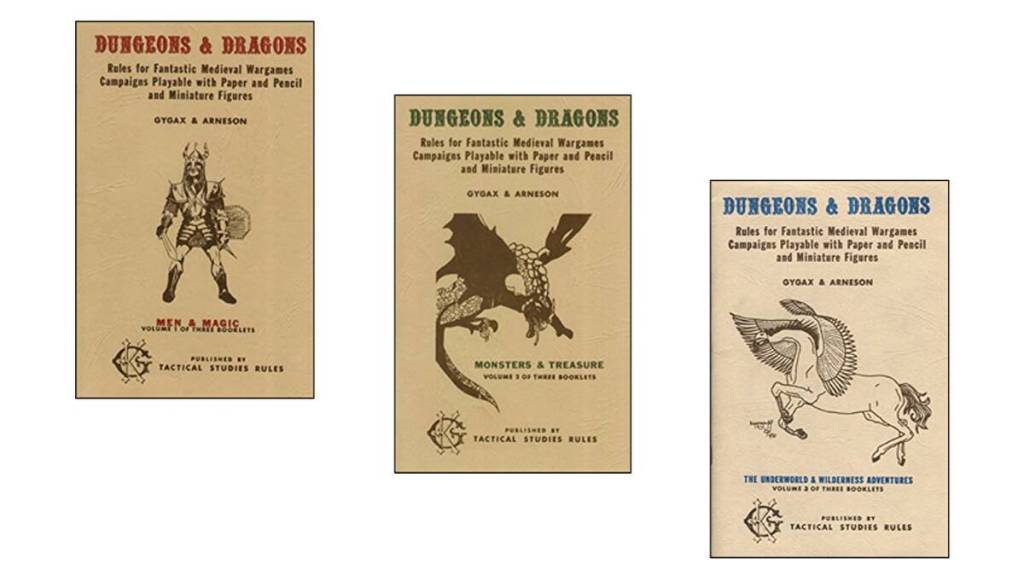
Now in 5E, Dungeons & Dragons is going from strength to strength, with this edition becoming particularly ubiquitous thanks to a media ecosystem built around it, and a huge number of other games using its ruleset. The importance of this game to the community can be best demonstrated by the recent round of histrionics around the proposed changed to the OGL.
As an aside, if you want a healthy perspective on that debacle without the performative outrage, go read this post by Arc Dream.
2. Call of Cthulhu
This horror RPG, first published in 1981, is set in the world of H.P. Lovecraft’s tales of cosmic horror. It remains one of the most popular RPGs in the horror genre. Currently in its 7th edition, Call of Cthulhu is particularly notable for the high level of compatibility between each edition.
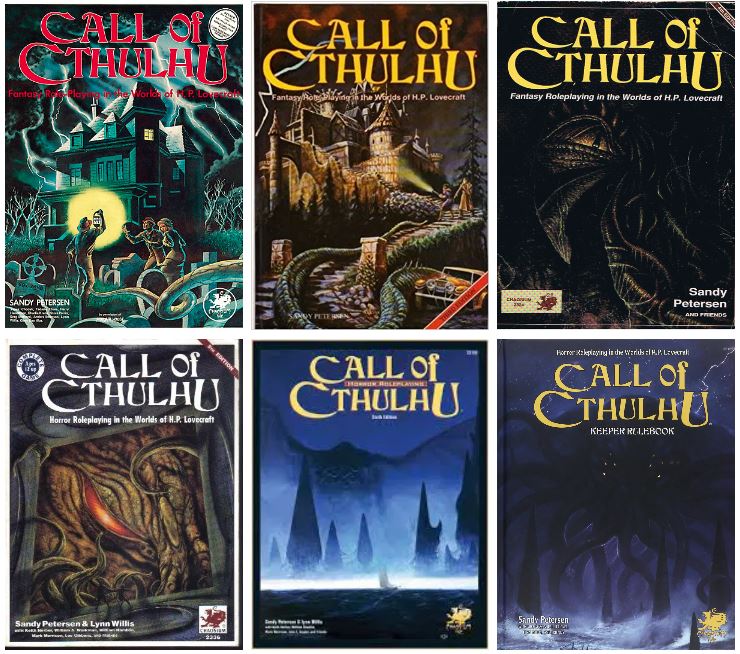
The game is based on the blandly-named Basic Role-Playing (BRP) system. Despite the bland name, the system is actually very interesting, being an early system to give player characters access to a full skill set regardless of any class or profession. It was originally developed for Runequest, but this game seems to have gained more of a following in the long term. The game is particularly popular in Asia, with it being lauded as one of the most popular RPGs in Korea and Japan.
3. Vampire: The Masquerade
Published in 1991, Vampire was the 90s roleplaying scene for many people. This RPG is set in a world of vampires and explores themes of morality, politics, and power. Its popularity has led to numerous spin-off games, books, and even a pretty terrible TV show. The wider World of Darkness is a fantastic setting with a number of really interesting games.
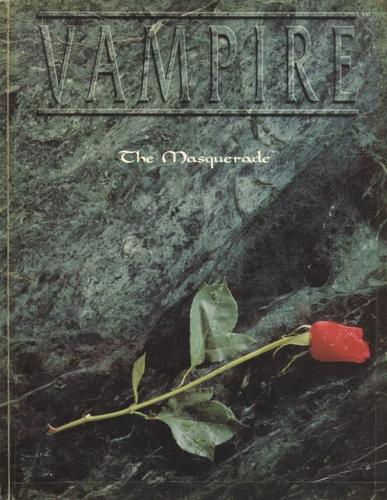
Like other games, Vampire provides a sandbox for players, but what was quite different was the metaplot. There was an expansive story at play that progressed alongside supplements and editions. There are pros and cons to this approach, but it’s certainly interesting. It leads you to really invest in characters and the vampire clans. You might ignore chunks of the story in your campaigns, or use it as a backdrop, or jump right in. The latest edition really encouraged this with your characters taking a central role in one really major plot point during the events of the Chicago by Night supplement.
Vampire also helped to popularise dice pool systems. This is generally my favourite type of system, so it’s little surprise that with both theme and system being big draws for me, Vampire remains one of my favourite games.
4. GURPS (Generic Universal RolePlaying System)
Another imaginatively named one…
First published in 1986, GURPS is known for its versatility and adaptability. It allows players to run games in any setting, from medieval fantasy to science fiction, and has been praised for its balanced and comprehensive rules system.
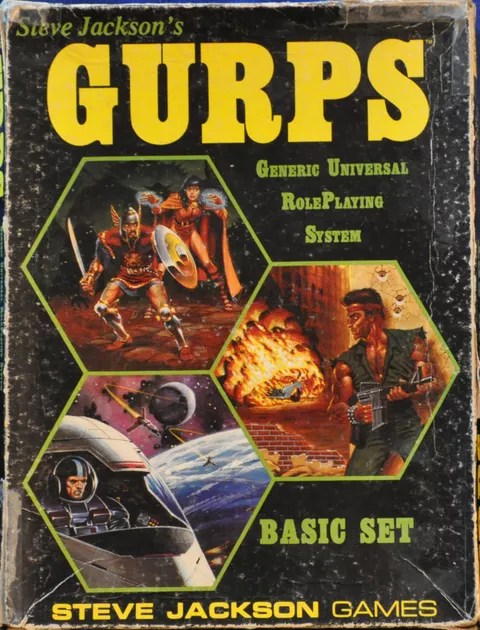
GURPS has never interested me personally, but it’s a hugely important title in the history of roleplaying games. It was an early example of setting-agnostic and genre-agnostic design, as opposed to earlier games which were often tied to a specific setting or genre. It wasn’t the first to do this, but it was successful in it. The openness of the game, in allowing you to really adapt it to any setting holds a huge appeal to many, as explained by Thomas Middleditch (whom we stan) in this video:
It also gave rise to the Electronic Frontier Foundation when Steve Jackson Games was raided by the Secret Service. Seemingly, the US Government believed that the Cyberpunk supplement for GURPS was actually a manual for hackers. Personally, going by their current output, I’m not sure that publications from Steve Jackson Games (most of which seem to be shovelware) adequately teach me how to play a worthwhile game, let alone how to hack into government and corporate servers…
5. Shadowrun
This cyberpunk RPG, first published in 1989, is set in a dystopian future where magic and technology coexist. It has become a staple of the cyberpunk genre and has inspired a number of video games, novels, and comic books. This is despite the fact that the father of the Cyberpunk genre, William Gibson, famously disapproves of Shadowrun:
William GibsonSHADOWRUN: GAG ME WITH A SPOON
No relationship. No permission. Nothing. Nary a word exchanged, ever.
Except that the admixture of cyberspace and, spare me, *elves*, has always been more than I could bear to think about.
I’ve just been ignoring it for years, and hope to continue to.
Ouch, despite this, the game has remained broadly popular and has developed a large community of fans who like to gather online and argue over which editions are superior and why you are an idiot for disagreeing with them.
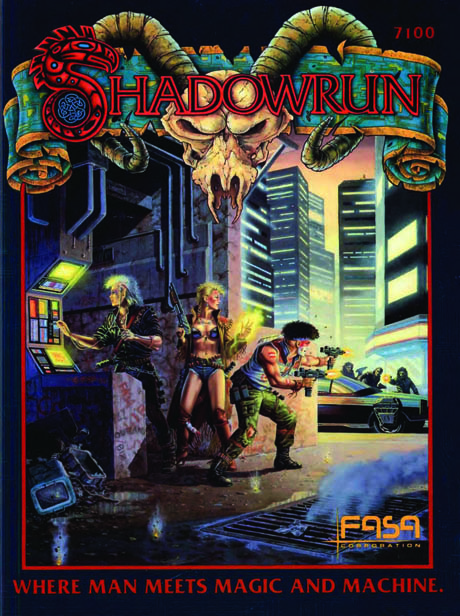
In recent years, the game was revitalised by a series of video games, increasing awareness among younger potential players. Unfortunately, the latest edition was not well received, but that doesn’t change the fact that this is a longstanding, influential game.
6. Runequest
1978 saw the release of Runequest, the first implementation of the BRP system, as also used in Call of Cthulhu. This high fantasy RPG is set in the world of Glorantha. It is known for its rich setting, detailed world-building, and innovative mechanics, and is known for its realism and depth.
This game has a die-hard core audience who hold it in high esteem. There’s also been continued development, and the recently-released new starter set actually looks fantastic. The most significant aspects of this game’s legacy, however, was in the development of the Basic Role-Playing system.
7. Traveller
Widely seem as the first sci-fi RPG, Traveller was first published in 1977. The game is set in a vast and diverse universe, with rules for interstellar travel, space combat, and alien encounters. It is a good system for running ‘hard’ sci-fi due to a focus on realism and on player-driven storytelling.

The original game holds up well, though I do prefer and adore the current edition by Mongoose Publishing. Traveller represents not only a game that is beloved in itself, but also the first in a proud and illustrious tradition of sci-fi roleplaying games.
8. Fudge/FATE
Fudge, released in 1992, is a generic RPG system known for its flexibility and ease of use. Its simple, intuitive rules allow for fast-paced and imaginative play, and for accessibility to new players.
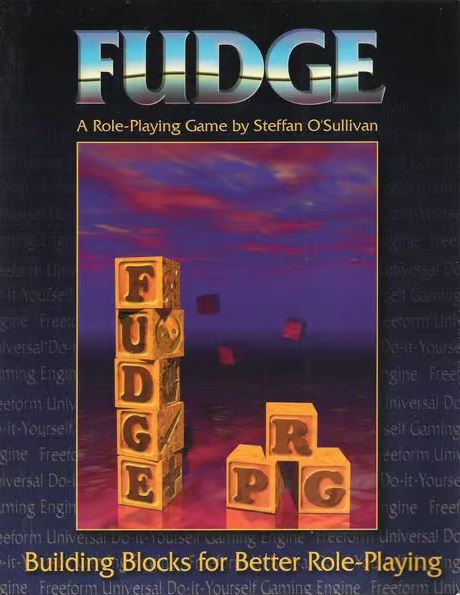
The game also introduced Fudge Dice, a custom set of D6 which, in lieu of numbers, features two blank sides, two plus symbols and two minus symbols.

I feel that Fudge was a good step forward towards simple, rules-light systems which are much more common today than they were in the early days of roleplaying games. Fudge was also further refined, via an OGL, by Evil Hat. This led to the creation of FATE, which is a truly fantastic system.
9. Warhammer Fantasy Roleplay
Set in the grim and dark (some might even say ‘grimdark’) world of Warhammer Fantasy, this RPG was first published in 1986. Developed by Hogshead Publishing It is known for its rich setting, dark atmosphere, and its focus on player choice and consequences. I particularly like the class system.
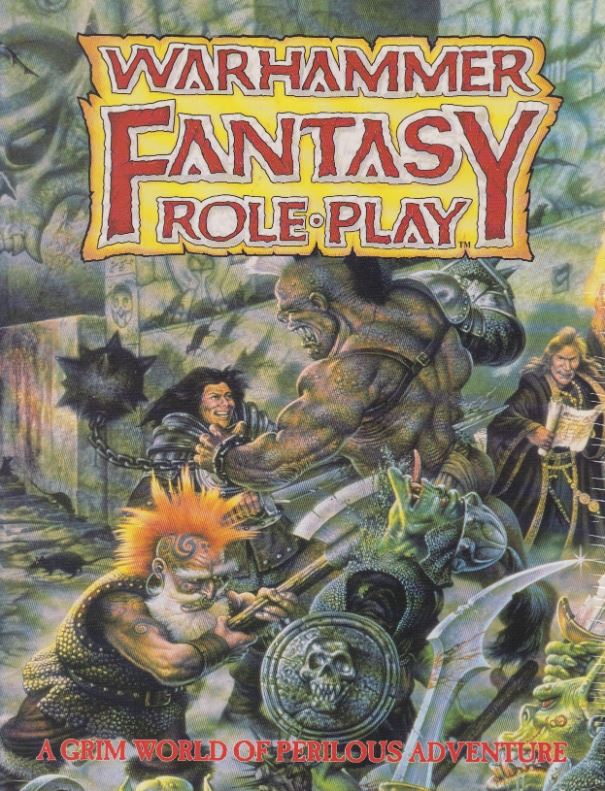
This is the only licensed property on my list. I could arguably have included either Ghostbusters or Star Wars by West End Games. The issue with licensed properties is that, generally, a company won’t keep that license forever. It will either be revoked or moved by the owner of the licensed IP, or the company won’t see the success required to justify the license fees. WFRP has consistently been acknowledged as both popular and influential. It’s also kept the same essential core to it throughout most of the editions. The second edition was a refinement of the first edition and the fourth edition is a really good development on that basis. The third edition was quite different, largely due to a very different approach taken by Fantasy Flight. It wasn’t a bad game, but it just wasn’t this game.
10. Paranoia
Paranoia… You know I love this one. This comedic RPG, first published in 1984, is set in a dystopian future where players take on the roles of downtrodden citizens in a society controlled by a paranoid and oppressive computer. Its humor and satire have made it a popular choice among RPG players looking for a change of pace.
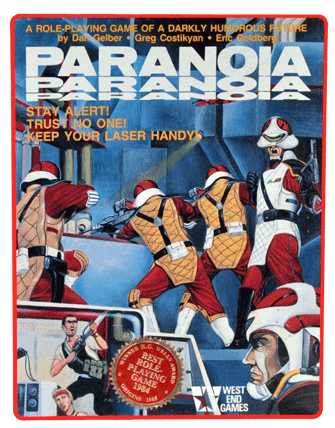
Paranoia came about in the 80s, after the initial wave of RPGs were established and their tropes were evident. This is important, because it’s these tropes that Paranoia often skewers in its humour, particularly in supplements like Orcbusters. The game remains quite popular, with a number of editions having come and gone, and a further one currently in development. It’s not a game that I would enjoy for a campaign, but I adore running one-shots set in Paranoia’s Alpha Complex.
Conclusion and a Question
these 10 tabletop RPGs have each had a significant impact on the genre and have paved the way for future generations of RPGs. Whether you’re a seasoned veteran or a newcomer to the hobby, they are sure to provide countless hours of imaginative and exciting gameplay.
But what of today’s games? What games are we currently playing that are laying the groundwork for the future of our hobby. There are some obvious answers, of course, with certain games and their underlying systems producing a huge number of other games:
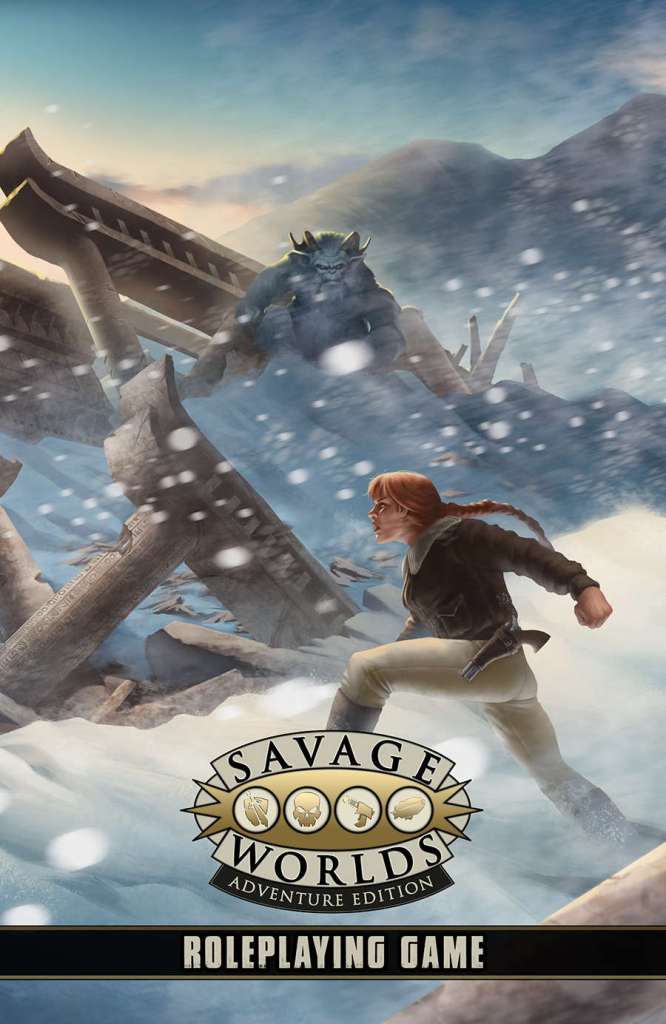
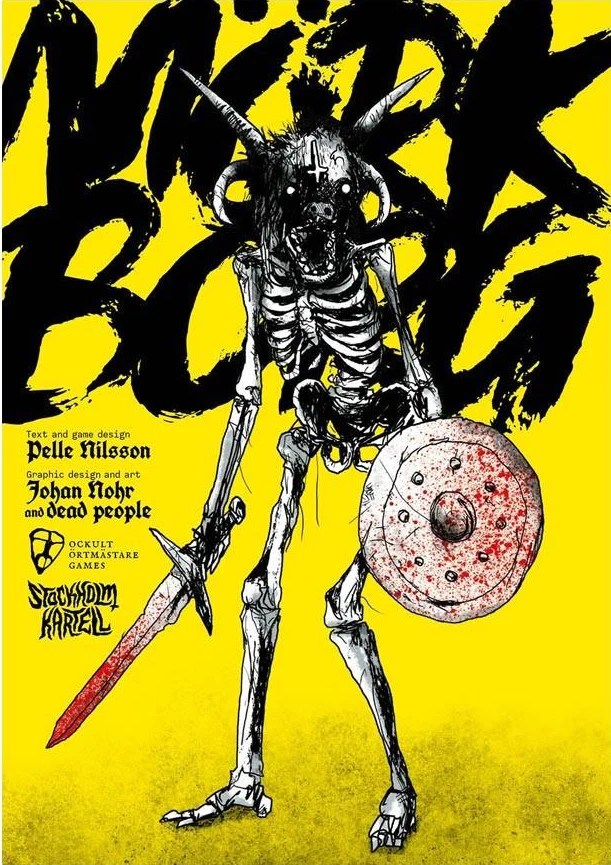
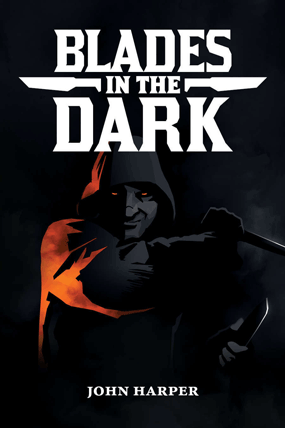
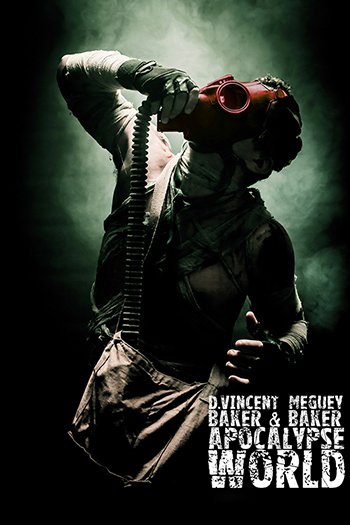

We have loads of titles that are based on Apocalypse World and Blades in the Dark. Savage worlds is the same, though a little more established. Modiphius is pumping out game after game using their 2D20 system, and Free league is doing likewise with the Mutant: year Zero one. MÖRK BORG is more recent, but we’re starting to see a load of stuff released based on it (including some by ourselves) as well.
We have good engines, and these are spawning a huge number of really cool, creative games. I think Apocalypse World is particularly accessible in this regard, with the playbook system being a real shining example of something that should be adopted more widely. If I were coming back to this list in 10 years’ time, what titles of today would you expect to see in it?
Heck, what have I already got wrong? I’d love to hear some other views on this.
 No Rerolls
Nice review, and it’s hard to disagree about the influence these titles have had over the years.
Lately we’ve tried L5R which is pretty good, though I’ll admit that I always thought of the card game first when hearing the name. RISUS worked well for us during the pandemic as it’s even more rules-light than FATE, perhaps almost to the point of being rules-free.
LikeLike
I’ve never heard of RISUS. Will take a look.
LikeLike
Maybe it was just in our own circles, but I feel like Champions by Hero Games should be in there. It had an amazingly detailed point system. It wasn’t the first for sure, but I often used Champions and GURPs as reference materials for designing our own games. Villains & Vigilantes was also a really cool superhero game (before Champions) that took the opposite approach, your super powers were determined randomly. Which was later borrowed by the Marvel Super-Heroes rpg. Funny enough, DC’s superhero rpg took the opposite approach and went with point generation. All 10 of the games you listed though, definitely have had an impact on the RPG world! 😀
LikeLiked by 1 person
Actually, someone on one of the Discords I frequent also suggested the Hero stuff. I’m not familiar with them, so I may have overlooked! Arguably Pathfinder could be on there, too.
LikeLiked by 1 person
Yea, I think it was 2nd edition Hero? Where they released Star Hero, Fantasy Hero, Fantasy Hero Companion, etc. Some of those were really good. Even if I didn’t prefer them as a system, great base for making things in other systems. Another interesting early gem was Talislanta. The rules system was ok, but the more interesting thing was that they scrapped the Tolkien races and made all unique ones. Pretty much all playable as character races, though they were not balanced. Which could be a problem for some campaigns.
LikeLike
It is a bit strange that you omit Cyberpunk: written by Mike Pondsmith, it came out in 1988, before Shadowrun and also has more editions, each either moving a timeline forward or providing an alternate timeline (chronologically 2013, 2020, Deep Space, Cybergeneration, V3 Cyberpunk RED, Mekton Z – Starblade Battalion). It is not based on Gibson’s book, but it was more inspired by Walter Jon Williams’s “Hardwired” – they even wrote an official setting for that, and even one for George Alec Effinger’s “When Gravity Fails”.
LikeLike
Oh, there are plenty more that could have been on there. Cyberpunk never occurred to me, but yeah, there’s a strong argument for that.
Got a game of it next Thursday, actually 🙂
LikeLike
We have a CP2020 campaign going every Tuesday 🙂
LikeLike